

Whole grains may improve several heart risk factors at once

Light exposure at night may raise risk for heart disease

Children of centenarians may stay healthier and live longer too, study finds

A lumbar belt may help ease low back pain

Signs of pneumonia: Sometimes vague and unexpected

Using a vibration plate: What it can — and can't — do for your body

The surprising link between ovarian cancer and the fallopian tubes

People who walk more or walk faster live longer, study finds

Rosacea treatments: What works?

For sleep apnea, a dental device may be as effective as CPAP
Skin Cancer Archive
Articles

How super are "superfoods"?
Certain fruits, vegetables, nuts, and seeds have been labeled "superfoods" because, compared with other foods, they have higher amounts of certain vitamins and minerals and powerful antioxidants. They often are associated with combating high blood pressure, diabetes, heart disease, and even some cancers. But instead of focusing on eating more of individual foods, experts suggest building "superplates" that include a variety of superfoods.

5 things to know about your morning cup of joe
A recent review found not only that coffee won't harm cardiovascular health or raise the risk of cancer, but it may actually have some health benefits. These include a lower risk of diabetes, and certain cancers, such as liver, and endometrial cancer. Many of these benefits may come from plant chemicals found in coffee.

Considering collagen drinks and supplements?
Celebrities and influencers claim that consuming collagen could have miraculous benefits for skin, hair, and nails. But what does the science say?

Vitamin D supplements linked to lower risk of advanced cancer
A study published by JAMA Network Open found that people taking vitamin D supplements were less likely to have a cancer that spread from the original tumor site to another part of their body or one that proved fatal. However, this risk reduction was only seen in people who were at a normal weight, not those who were overweight or obese. The study did not find that people who took vitamin D were less likely to develop cancer over all compared with those who did not.

Fighting the most common skin cancers
The most common non-melanoma skin cancers are basal cell carcinomas and squamous cell carcinomas. They aren’t usually life-threatening, but they can be quite dangerous. They can bleed, hurt, and eat away at skin. If left untreated, they can erode through important structures like the nose, eyes, bones, or muscles. If they become very large, they can spread, and in rare cases cause death. Treatment ranges from scraping out skin cancers with surgical tools to Mohs surgery, a procedure that spares as much healthy skin as possible.

Prostate cancer in transgender women
The increasing size and visibility of the transgender population has implications for public health. Hormone treatment given to transgender women lowers the overall risk of prostate cancer, but the risk of a trans woman developing the disease is not zero.

Why won't my hives go away?
Hives are red, itchy welts that crop up on the skin. Allergic reactions and stress, among other triggers, can cause episodes of hives, which typically last several days to a couple of weeks. Cases that last six weeks or longer may be autoimmune hives.
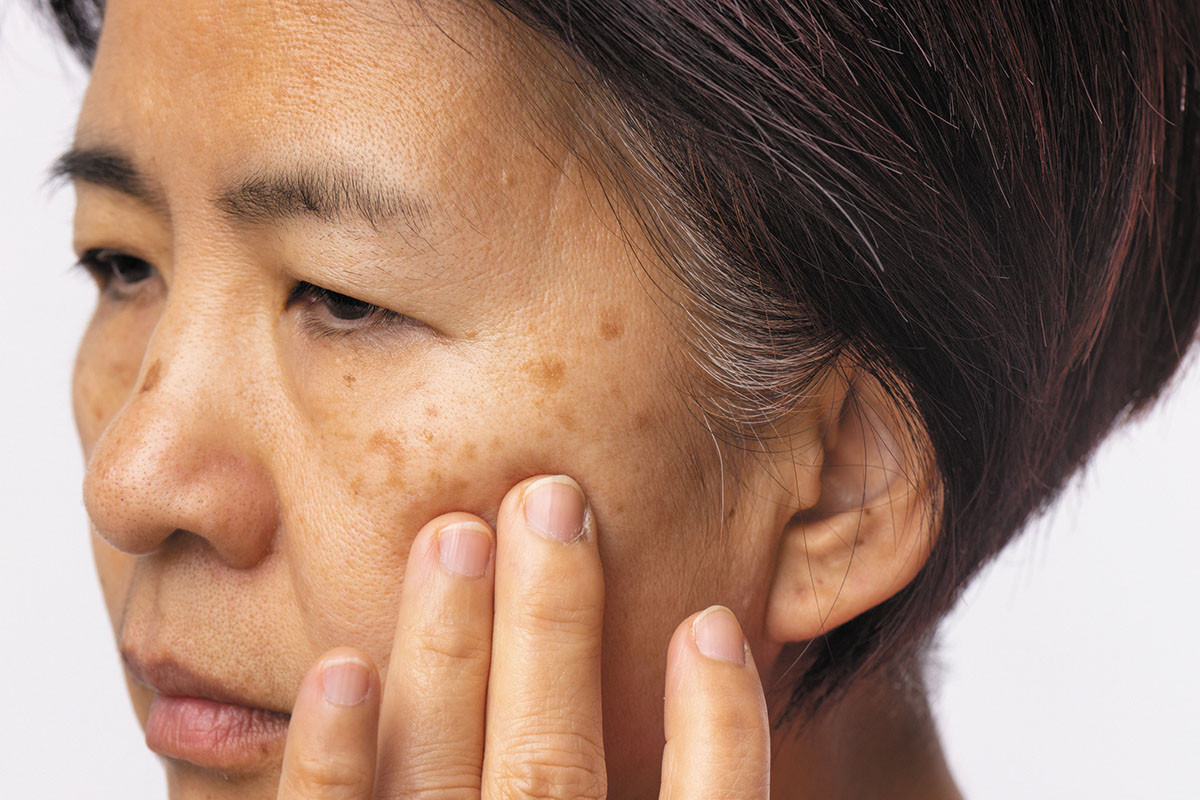
A mask that's hard to shed
Melasma, which causes dark patches on the face, is far more prevalent in women than in men. Dubbed the "mask of pregnancy," melasma triggers include not only pregnancy but also hormonal fluctuations, genetics, and sun exposure. People with darker skin are more prone to it. Melasma is typically treated with topical products that lighten the skin or slough off cells. Laser treatments and chemical peels, however, may worsen melasma. Sunscreen use can help prevent flares.

Late-stage cervical cancer on the rise: What to know
Cervical cancer is curable when caught early through routine screening, so research showing a surprising rise in advanced cancer cases in some groups is worrisome. Two Harvard experts share insights about the research and advice on how people can best protect themselves.

When cancer treatment affects the heart
Side effects from both older and newer cancer therapies can affect the heart and blood vessels, possibly causing serious, sometimes life-threatening complications. People diagnosed with any type of cancer should ask their doctor whether their planned treatment might lead to cardiovascular problems. Those ages 65 and older and anyone with risk factors for heart disease (such as high blood pressure or diabetes) may want to request a referral to a cardio-oncologist. These specialists focus on preventing and managing cardiovascular problems in people who are undergoing (or have completed) treatment for cancer.
Whole grains may improve several heart risk factors at once
Light exposure at night may raise risk for heart disease
Children of centenarians may stay healthier and live longer too, study finds
A lumbar belt may help ease low back pain
Signs of pneumonia: Sometimes vague and unexpected
Using a vibration plate: What it can — and can't — do for your body
The surprising link between ovarian cancer and the fallopian tubes
People who walk more or walk faster live longer, study finds
Rosacea treatments: What works?
For sleep apnea, a dental device may be as effective as CPAP
Free Healthbeat Signup
Get the latest in health news delivered to your inbox!
Sign Up
