

Reading the current blood pressure guidelines

Oat vs. dairy milk: Nutrition, benefits, and downsides

Microplastics: A hidden health threat?

Healing after food poisoning

What is tempeh? Benefits, nutrition, and how to use it

Light exposure at night may raise risk for heart disease

Whole grains may improve several heart risk factors at once

A lumbar belt may help ease low back pain

Children of centenarians may stay healthier and live longer too, study finds

Signs of pneumonia: Sometimes vague and unexpected
Safety/injury prevention Archive
Articles

Microplastics: A hidden health threat?
While microplastics have been detected in blood and tissues throughout the body, their health effects remain uncertain yet potentially concerning.
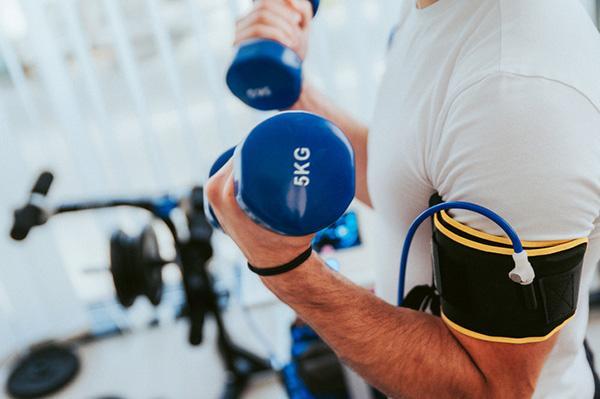
Arthritis, knee surgery, and more: How blood flow restriction training can help
Blood flow restriction training uses a pressurized cuff to partially block blood flow while a person performs strength training exercises. This allows the muscles to grow with the use of lighter weights. It can help a person counter muscle loss that follows surgery or injury.

AI in health care: Can a chatbot answer your medical questions?
Artificial intelligence (AI) chatbots can answer medical questions, but they don’t replace the medical judgment of doctors. For patients, AI is currently most useful for understanding medical conditions, explaining doctor’s notes and lab reports, and helping to prepare for doctor visits.
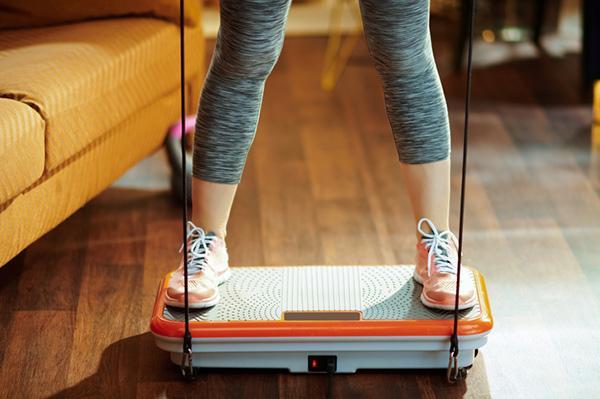
Using a vibration plate: What it can — and can't — do for your body
Using a vibration plate has become a wellness fad, with proponents claiming it can improve bone and muscle strength, balance, circulation, weight loss, and more. But little research backs up those claims. Only balance appears to improve in certain people who use vibration plates.

Melatonin or magnesium: Can either supplement help you sleep?
People who have trouble sleeping may take dietary supplements to ease their insomnia. Melatonin and magnesium, two popular sleep supplements, work in different ways and have varying levels of scientific support.
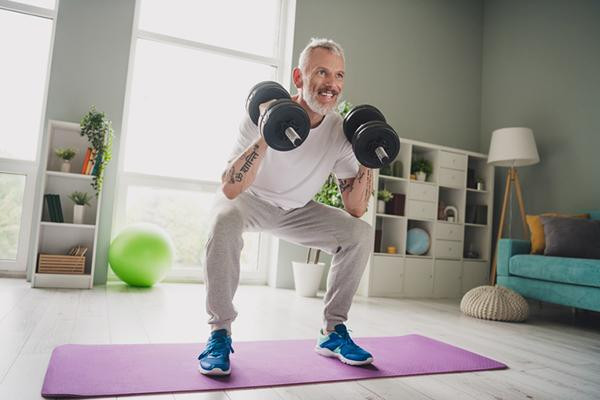
Two dumbbells, three exercises, and 10 minutes
With 10 minutes and a pair of dumbbells, people can do a full-body workout using a variation of high-intensity interval training (HIIT) called low-volume HIIT. With low-volume HIIT, people perform only a few sets of two to four exercises.
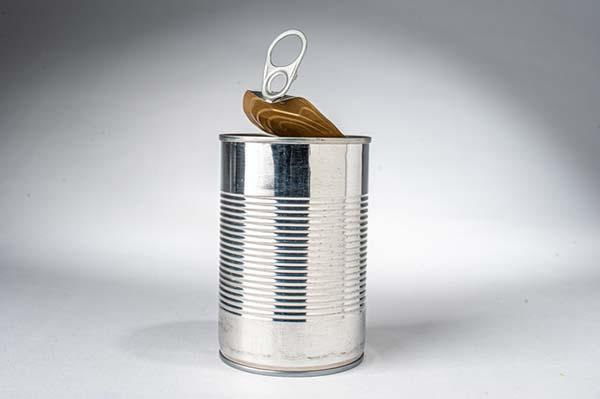
What are the health risks of aluminum exposure?
From cookware to deodorant, aluminum is everywhere. Most people clear it efficiently from their bodies.

Stair climbing may significantly lower cardiovascular risks
A 2026 research review and meta-analysis suggests that regular stair climbing may lower people’s risks of dying of cardiovascular problems or any cause, as well as reduce the risks of heart attack, stroke, or heart failure.
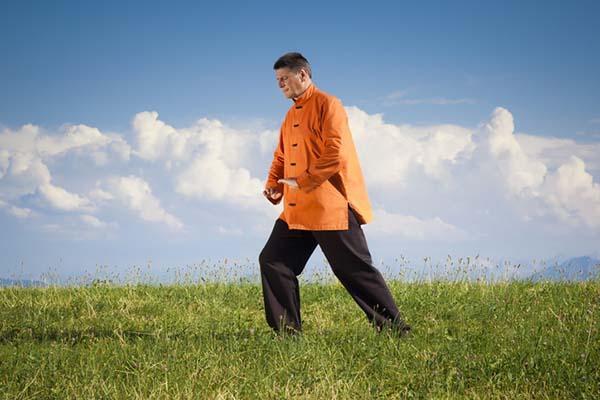
Tai chi walking: What is it and does it work?
Tai chi walking is an accessible introduction to tai chi. The process of slowing down steps, shifting weight deliberately, and focusing on breathing may improve balance, gait, mindfulness, and lower-leg strength.
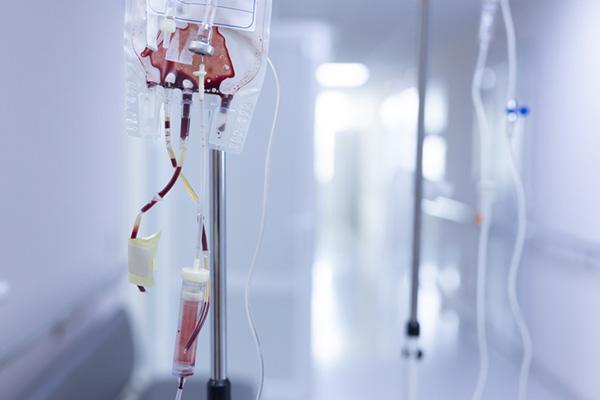
What are the risks of an Rh mismatch in a transfusion?
Blood type compatibility matters during transfusions, and an Rh mismatch can create risks that may not appear immediately.
Reading the current blood pressure guidelines
Oat vs. dairy milk: Nutrition, benefits, and downsides
Microplastics: A hidden health threat?
Healing after food poisoning
What is tempeh? Benefits, nutrition, and how to use it
Light exposure at night may raise risk for heart disease
Whole grains may improve several heart risk factors at once
A lumbar belt may help ease low back pain
Children of centenarians may stay healthier and live longer too, study finds
Signs of pneumonia: Sometimes vague and unexpected
Free Healthbeat Signup
Get the latest in health news delivered to your inbox!
Sign Up
