

Healing after food poisoning

What is tempeh? Benefits, nutrition, and how to use it

Light exposure at night may raise risk for heart disease

Whole grains may improve several heart risk factors at once

A lumbar belt may help ease low back pain

Children of centenarians may stay healthier and live longer too, study finds

Signs of pneumonia: Sometimes vague and unexpected

The surprising link between ovarian cancer and the fallopian tubes

Using a vibration plate: What it can — and can't — do for your body

People who walk more or walk faster live longer, study finds
Prostate Cancer Archive
Articles

Throughout life, heart attacks are twice as common in men than women
Throughout life, men seem to be twice as likely to have a heart attack as women. This risk appears to persist even after accounting for risk factors such as high cholesterol, high blood pressure, and diabetes.
Ask the doctor: Herbal supplements to treat erectile dysfunction?
Herbal supplements are sometimes advertised to improve a man’s sex life by increasing blood flow to the penis, but many are not proven effective for treating ED and may cause serious side effects.
Treatment versus monitoring of prostate cancer: Survival rates the same after 10 years
Charles Schmidt A pair of new studies provides useful information to men facing challenging decisions about what to do after being diagnosed with early prostate cancer. Researchers tracked men for 10 years and found that virtually none died of the illness, even if they decided against treating it. Early prostate tumors confined to the prostate […]

Dry skin? Moisturizers can help
Many products are designed to absorb water into the skin, keep it from evaporating, or both.
Image: Bigstock
If you grew up watching Doris Day movies, you may have assumed she was privy to skin treatments that weren't available to the general public. However, as she revealed in her autobiography, Vaseline (petrolatum) was the key to keeping her skin soft and smooth.
Things have changed quite a bit in the last 50 years. Petrolatum is still a popular staple, but there is now a dizzying array of newer moisturizers, many with a baffling list of ingredients on their labels. However, they all are designed to either add moisture to the skin or keep it there. Many do both. "Think of moisturizers as putting a barrier between your skin and the cold, dry air," says Dr. Kenneth Arndt, professor of dermatology at Harvard Medical School and faculty editor for the Harvard Health Publications Special Health Report Skin Care and Repair (www.health.harvard.edu/SCR.)

Talk to the animals
Animal-assisted therapy can be your best friend when it comes to mental support.
Image: Jevtic /Thinkstock
They say a dog is man's best friend, but when it comes to better health, any type of animal bonding will do.
Research shows that interaction with animals like dogs, cats, and even horses can have both immediate and long-lasting impacts on your mental well-being. Done more formally in a medical context, it's known as animal-assisted therapy (AAT).
Should I worry about a heart murmur?
Heart murmurs can occur when people are young and then return in older age. There are three main causes in adults: increased volume or speed of blood flowing through a normal heart, a stiff heart valve, or a leaky heart valve. Most do not lead to heart problems, but a change in the murmur’s intensity or the appearance of symptoms like shortness of breath, light-headedness, or chest pain would prompt a further medical evaluation.
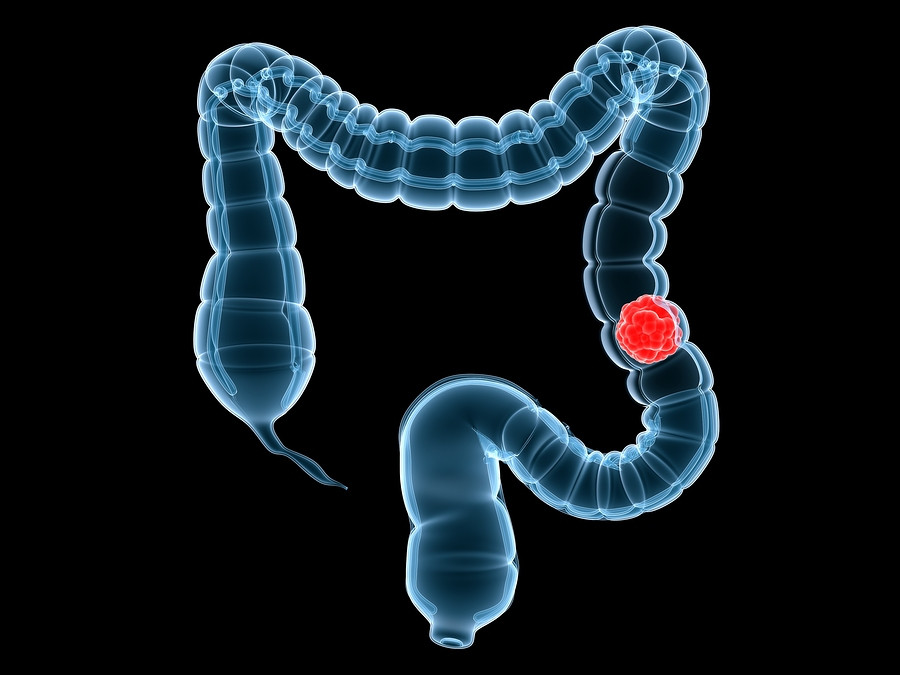
A new look at colon cancer screening
Don't be intimidated about screening tests. The latest guidelines suggest you can choose from multiple strategies.
Image: Bigstock
Colon cancer continues to be the country's second leading cause of cancer-related deaths and the third most common cancer in men, according to the CDC.
It almost always develops from precancerous polyps (abnormal growths). Screening tests, which are recommended for men ages 50 to 75, help find and sometimes aid removal of polyps before they become cancer. (Men older than 75 may still benefit, depending on their health.)
Higher levels of omega-6 fatty acids may lower death rates in older men
A new study found that high levels of omega-6 fatty acids in the subcutaneous adipose tissue—the layer of fat just beneath the skin—correlated with lower death rates among older men. Omega-6s mostly come in the form of linoleic acid, found in plant oils (such as corn, soybean, and sunflower oils) as well as nuts and seeds. Linoleic acid is known to shrink levels of bad LDL cholesterol in the blood, which can contribute to lower incidence of heart disease.


Healing after food poisoning
What is tempeh? Benefits, nutrition, and how to use it
Light exposure at night may raise risk for heart disease
Whole grains may improve several heart risk factors at once
A lumbar belt may help ease low back pain
Children of centenarians may stay healthier and live longer too, study finds
Signs of pneumonia: Sometimes vague and unexpected
The surprising link between ovarian cancer and the fallopian tubes
Using a vibration plate: What it can — and can't — do for your body
People who walk more or walk faster live longer, study finds
Free Healthbeat Signup
Get the latest in health news delivered to your inbox!
Sign Up
