

CoQ10: Should you take this popular supplement if you're on a statin?

Oat vs. dairy milk: Nutrition, benefits, and downsides

Microplastics: A hidden health threat?

Healing after food poisoning

What is tempeh? Benefits, nutrition, and how to use it

Light exposure at night may raise risk for heart disease

Whole grains may improve several heart risk factors at once

A lumbar belt may help ease low back pain

Children of centenarians may stay healthier and live longer too, study finds

Signs of pneumonia: Sometimes vague and unexpected
Prostate Cancer Archive
Articles
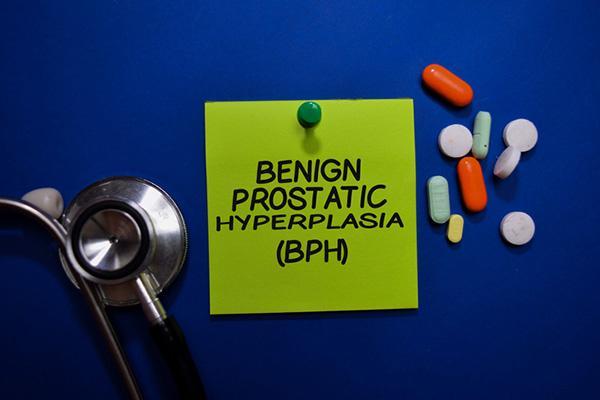
BPH treatment options when drugs are not enough
When medications and lifestyle changes no longer control symptoms of an enlarged prostate, a range of surgical and minimally invasive procedures can restore urine flow. Each option offers different trade-offs in side effects, recovery, and duration of relief.

Should men over 70 with a family history still get a PSA test?
A 77-year-old man with a brother who died of prostate cancer weighs the pros and cons of PSA screening with age, health, and risk in mind.

Taking charge of prostate cancer
Men with low-risk prostate cancer continue to choose active surveillance as their course of action, meaning they monitor their cancer and don’t seek treatment unless it becomes worse. While this wait-and-see approach may appear passive in nature, it’s an opportunity for men to take charge of their health and make lifestyle changes that could improve their cancer outcome and offer protection against other health risks, like heart disease.
What could cause a painful breast lump in a man?
A new, tender lump in a man’s breast doesn't necessarily mean cancer. But it should not be ignored. Gynecomastia is one possible cause, but there are others.
Do all erectile dysfunction drugs have the same side effects?
Erectile dysfunction medicines act similarly but can vary in side effects, duration of action and food interactions.
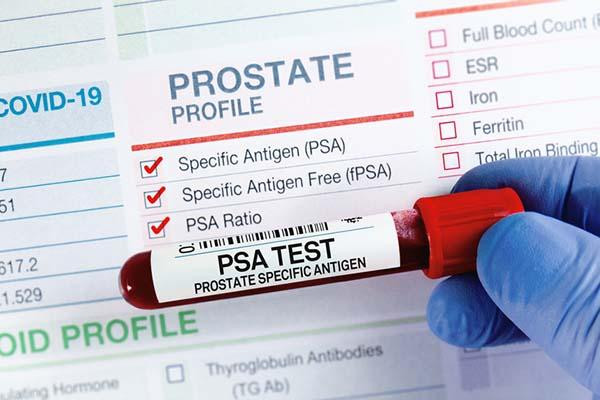
Symptoms of early-stage prostate cancer
Prostate cancer often develops quietly, with few or no early warning signs, and can resemble normal age‑related prostate changes. When symptoms arise, they usually involve subtle changes in urination. Doctors combine careful questioning, physical examination, blood tests, and modern scans to distinguish harmless enlargement from serious disease.

Why testosterone levels drop and when to consider treatment
Low libido, erectile dysfunction, fatigue, reduced muscle mass, hot flashes, and more may be symptoms of testosterone deficiency. Testing can help determine the diagnosis, and testosterone replacement therapy may help counter the decline in the hormone.

What is a healthy weight for a young man?
Charts offer BMI ranges and waist targets, but they aren't the whole story. Learn how height, belly fat, diet, and activity shape "healthy" weight.
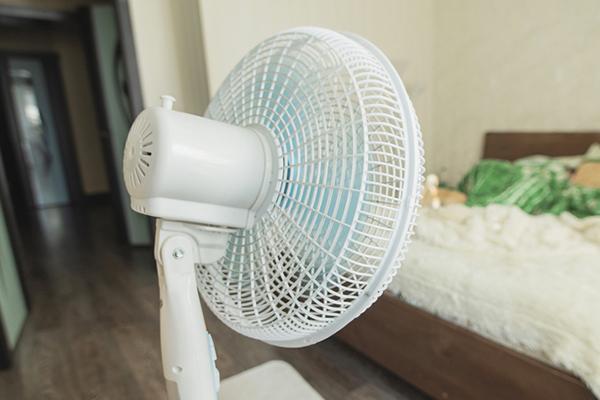
What could cause night sweats in a middle-age man?
For men, night sweats can signal anything from room temperature issues to infections, sleep apnea, medications, hormonal problems, or something else.
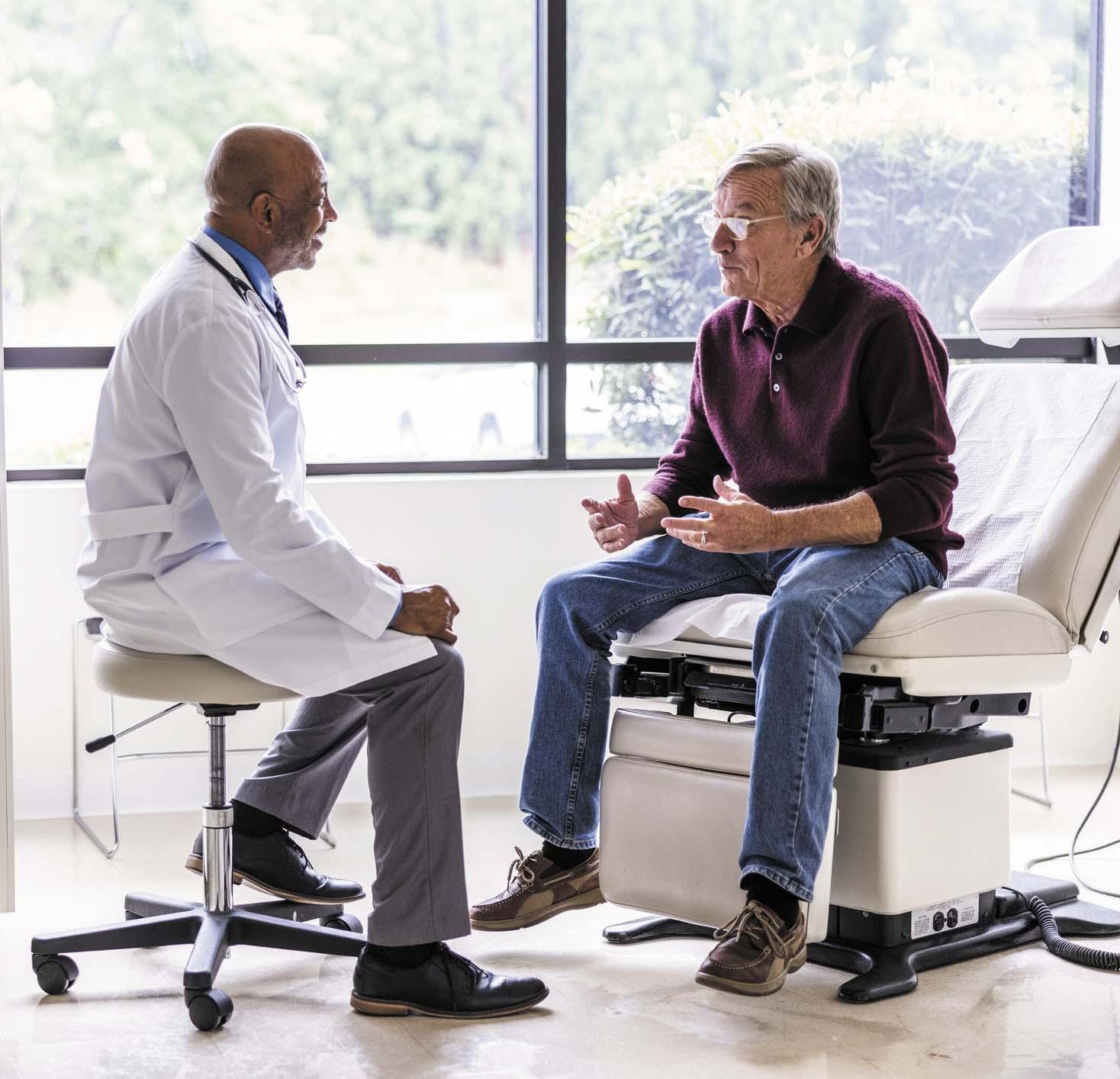
Can saw palmetto treat an enlarged prostate?
Saw palmetto is a popular "natural" choice for urinary symptoms from an enlarged prostate, but high-quality studies show little or no real benefit. Men are urged to talk with a doctor first, both to rule out serious causes and avoid misplaced hope.
CoQ10: Should you take this popular supplement if you're on a statin?
Oat vs. dairy milk: Nutrition, benefits, and downsides
Microplastics: A hidden health threat?
Healing after food poisoning
What is tempeh? Benefits, nutrition, and how to use it
Light exposure at night may raise risk for heart disease
Whole grains may improve several heart risk factors at once
A lumbar belt may help ease low back pain
Children of centenarians may stay healthier and live longer too, study finds
Signs of pneumonia: Sometimes vague and unexpected
Free Healthbeat Signup
Get the latest in health news delivered to your inbox!
Sign Up
