

Reading the current blood pressure guidelines

Oat vs. dairy milk: Nutrition, benefits, and downsides

Microplastics: A hidden health threat?

Healing after food poisoning

What is tempeh? Benefits, nutrition, and how to use it

Light exposure at night may raise risk for heart disease

Whole grains may improve several heart risk factors at once

A lumbar belt may help ease low back pain

Children of centenarians may stay healthier and live longer too, study finds

Signs of pneumonia: Sometimes vague and unexpected
Pregnancy Archive
Articles

Do I need prolapse surgery?
For women with pelvic organ prolapse, surgery is typically considered when symptoms interfere with daily life and when conservative measures to relieve the symptoms have failed or are unappealing.

Musculoskeletal syndrome of menopause: When menopause makes you ache all over
Musculoskeletal syndrome of menopause is a newly recognized condition that links falling estrogen levels to widespread joint and muscle pain, stiffness, fatigue, and other symptoms. Estrogen loss at midlife can also reduce muscle mass and bone density.

Could my blood pressure medication be causing my hot flashes to return?
After starting treatment for high blood pressure, your hot flashes are back. Explore how medications and other conditions might be involved.
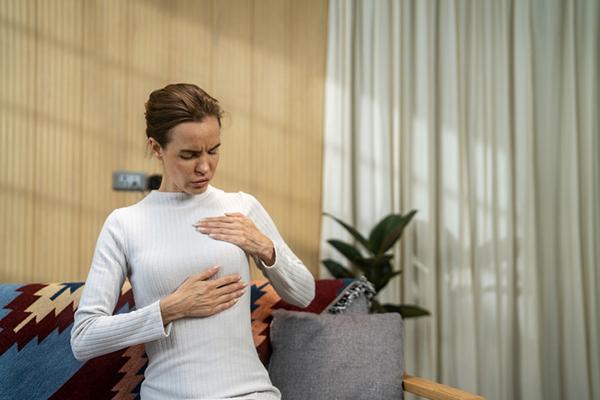
What should you do if you discover a lump in your breast?
A new breast lump can be alarming, but not all require immediate surgery. A doctor will determine the appropriate next steps, which may include medical tests.

Late-start hormone therapy: Safe or risky?
Guidelines recommend that women starting hormone therapy do so before age 60 and within 10 years of menopause onset. Starting later may raise the risks of heart attack, stroke, or dementia. Women who start hormone therapy at 70 or older face even greater cardiovascular risks.

Staying active throughout middle age may lower women's risk of dying early
A 2026 study suggested that women who consistently stay active throughout middle age have a significantly lower risk of dying early than peers who are inactive.

When consequences of pregnancy complications develop later in life
Pregnancy complications such as gestational diabetes and preeclampsia—marked by high blood pressure that can impair organ function and affect blood vessels—are increasingly tied to higher lifetime cardiovascular risks. Women with these complications face greater odds of heart attack, stroke, and diabetes.

How chemotherapy can affect women's sexual health — and what can help
Chemotherapy treatment in women can diminish hormone levels that affect sexual health and intimacy. It can also alter self-image, sex drive, and emotions. Research suggests anywhere from 40% to 100% of cancer survivors struggle with sexual dysfunction.

Diagnosing and treating premenstrual dysphoric disorder
Women who experience severe premenstrual symptoms may have a condition called premenstrual dysphoric disorder. Antidepressants may relieve these symptoms and, depending on the person, can be taken intermittently instead of daily.

Women's unique risks for heart disease
Women have unique risk factors for heart disease, including pregnancy-related complications and a higher rate of autoimmune diseases. Anatomical and other differences also influence how heart disease manifests in women.
Reading the current blood pressure guidelines
Oat vs. dairy milk: Nutrition, benefits, and downsides
Microplastics: A hidden health threat?
Healing after food poisoning
What is tempeh? Benefits, nutrition, and how to use it
Light exposure at night may raise risk for heart disease
Whole grains may improve several heart risk factors at once
A lumbar belt may help ease low back pain
Children of centenarians may stay healthier and live longer too, study finds
Signs of pneumonia: Sometimes vague and unexpected
Free Healthbeat Signup
Get the latest in health news delivered to your inbox!
Sign Up
