
Driving with arthritis pain: Stay comfortable — and safe — behind the wheel

Daily cup of coffee may prevent afib recurrence

Gene-editing therapy lowers harmful blood fats in early study

What is EMDR therapy, and who can it help?
GLP-1 drugs versus bariatric surgery for treating obesity

Two dumbbells, three exercises, and 10 minutes

Easing the emotional burden of IBS
Modify your push-ups to meet your fitness level
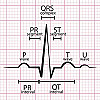
What is long QT syndrome?

Stroke survivors may benefit from very low LDL levels
Physical Activity Archive
Articles

Simple core strengtheners for every day of the week
It's safe to work the core every day for about 10 to 30 minutes, as long as a person doesn't develop intense muscle fatigue. There are so many kinds of core-strengthening activities that it's possible to do a different one each day of the week. Ideas include marching, practicing yoga, doing body-weight workouts, exercising in a pool, and doing housework. Before a core workout, a person should do a warm-up, such as walking, to get blood flowing to the core muscles. After exercising, it's important to stretch the core muscles to help lengthen them and keep them flexible.

Long periods of sitting tied to higher risk of stroke
Sitting too much can boost stroke risk. But adding more movement—even low-effort activity such as doing household chores—may help lower that risk.

The lowdown on "good" cholesterol
Long touted as beneficial for heart health, high-density lipoprotein (HDL) is more complicated than experts once thought. Some forms of HDL grab cholesterol from the bloodstream and other tissues and transport it to the liver, where it's recycled or disposed, but other types are neutral or perform the opposite action. Most drugs that raise HDL don't seem to prevent heart disease, and very high HDL levels may even be linked to a higher risk.

Hybrid exercise training
Hybrid exercise training combines heart-pumping aerobic action with muscle-strengthening moves in the same exercise session. The strategy has the advantage of meeting two key goals of the federal Physical Activity Guidelines in one fell swoop. And it also appears to be one of the best—and most time-efficient—ways for people who are overweight to lower their risk of cardiovascular-related risk factors. Strong muscles boost a person's basal metabolic rate—the amount of energy the body needs to keep working during rest. That improves weight-loss efforts by ramping up the number of calories burned.

When walking is the best medicine
Supervised exercise therapy (SET) for peripheral artery disease (PAD) requires pushing through pain while walking to improve blood flow through narrowed blood vessels in the legs. SET can work as effectively as surgical procedures to improve the calf pain and cramping of PAD. SET is a treadmill-based program overseen by clinicians at a health care facility. Home-based SET can work comparably at improving symptoms, but only if PAD patients walk at a faster pace and continue the regimen long-term.

Doing multiple types of activities improves cognitive health
Studies have shown that doing any one of certain activities, such as staying physically active and maintaining social ties, helps maintain brain health in older adults. A new study suggests that participating in multiple kinds of these activities, several times a week, may help even more.

You don't say? Can your joints wear out?
Joints do not wear out from overuse. Osteoarthritis, the most common type of arthritis, occurs when the smooth cartilage that lines the joint deteriorates. This might occur because of an injury, age, family history, obesity, or a disease that causes joint inflammation.

Three moves for functional fitness
Older adults can benefit from functional fitness exercises—those that focus on the muscles needed for basic everyday actions, like squatting, bending, reaching, and twisting. An all-around exercise routine that addresses the major muscle groups is ideal for improving functional fitness. Still, people should add specific exercises that mimic basic movements, such as getting up and down from the ground or a seated position, bending down and lifting objects, and carrying heavy or bulky items.

What's that shoulder sound?
There's no one sound unique to a particular shoulder problem. That makes it hard to know what various shoulder noises are telling you. Possibilities include arthritis; bone breaks; rotator cuff tears; gas bubbles, loose parts, or bone spurs in the shoulder joint; neck problems; and bursitis. It's advisable to investigate shoulder noises if they happen, along with shoulder pain, weakness, or limited movement, or if the sound followed a shoulder injury. It's also smart (though not urgent) to ask a doctor about shoulder sounds that aren't accompanied by other symptoms.

What is the ideal blood pressure number?
Recent guidelines suggest a blood pressure reading of less than 120/80 mm Hg as normal. But the ideal number for individuals depends on their individual goals and whether they also have a chronic condition, such as heart disease or kidney disease.
Driving with arthritis pain: Stay comfortable — and safe — behind the wheel
Daily cup of coffee may prevent afib recurrence
Gene-editing therapy lowers harmful blood fats in early study
What is EMDR therapy, and who can it help?
GLP-1 drugs versus bariatric surgery for treating obesity
Two dumbbells, three exercises, and 10 minutes
Easing the emotional burden of IBS
Modify your push-ups to meet your fitness level
What is long QT syndrome?
Stroke survivors may benefit from very low LDL levels
Free Healthbeat Signup
Get the latest in health news delivered to your inbox!
Sign Up