Driving with arthritis pain: Stay comfortable — and safe — behind the wheel

Daily cup of coffee may prevent afib recurrence

Gene-editing therapy lowers harmful blood fats in early study

What is EMDR therapy, and who can it help?
GLP-1 drugs versus bariatric surgery for treating obesity

Two dumbbells, three exercises, and 10 minutes

Easing the emotional burden of IBS
Modify your push-ups to meet your fitness level
What is long QT syndrome?

Stroke survivors may benefit from very low LDL levels
Physical Activity Archive
Articles
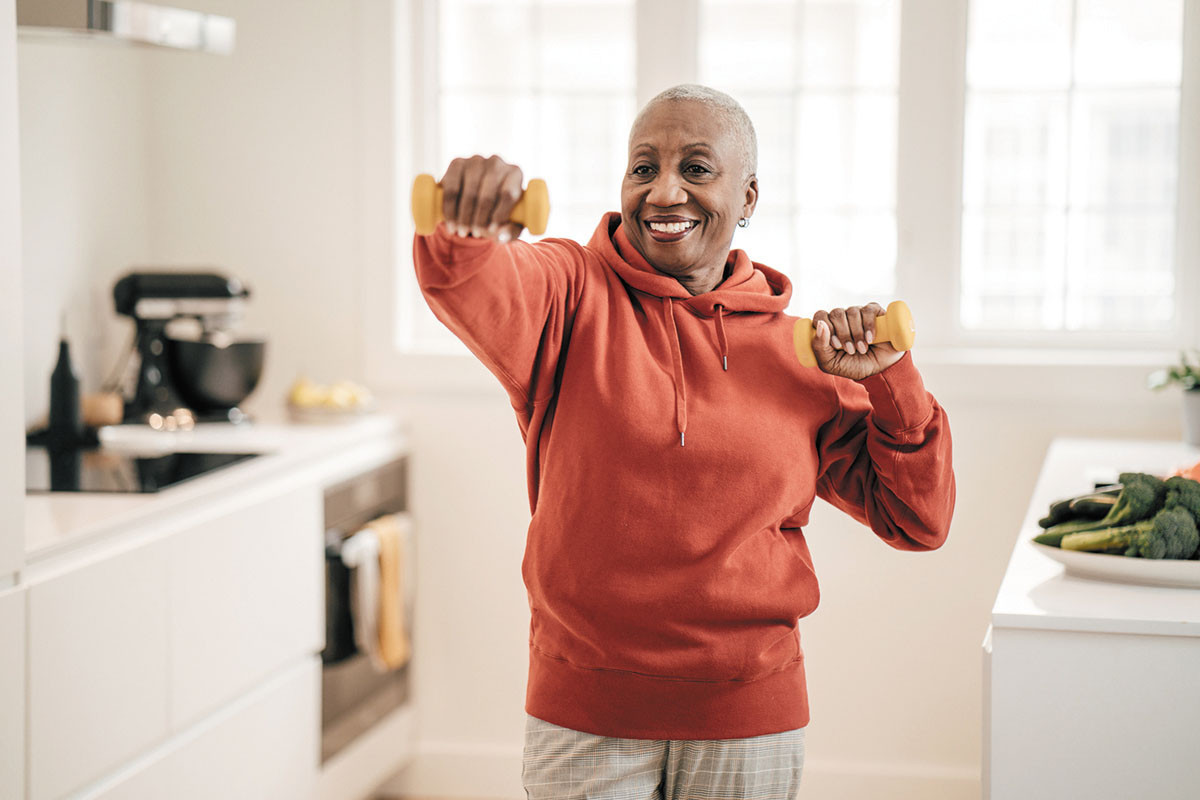
Adding strength training to aerobic exercise may fuel longevity
A 2022 study found that people who did at least two sessions of strength training as well as 2.5 hours of moderate-to-vigorous aerobic activity each week were 30% less likely to die during an eight-year study period, compared with people who did less strength training.

Reclaim your pre-pandemic function
Many people have become deconditioned and lost some physical function as a result of inactivity during the pandemic. This may be causing them to change their habits, patterns, and activities because they don't think they can do them or don't feel like doing them anymore. People who've lost physical function as a result of inactivity can take several steps to get function back. Examples include setting goals, tracking activity, getting help from a physical therapist, adding weight training to an exercise regimen, exercising with a friend, and not giving up.

The many ways exercise helps your heart
Aerobic and muscle-building exercises can trigger physiological changes that improve blood vessels and metabolism in ways that help prevent all the major risk factors that contribute to heart disease. These include high blood pressure, diabetes, obesity, and unhealthy cholesterol levels. Exercise can also improve mental health problems such as depression and stress, which are common but underrecognized risks for heart disease.

Reviewing your wellness portfolio
As with a financial portfolio, older adults should routinely review their wellness portfolio to ensure their health investments meet their short-and long-term goals. Working with their doctor, personal trainer, and nutritionist, they can identify areas that require changes and implement new strategies. Older men often don't make investments in strength training, balance, and their mental health, but should.

Poor physical function may predict cardiovascular disease
A new study suggests that older adults who maintain an high level functional fitness have a lower their risk of heart attack, heart failure, and stroke compared with those who are not as fit.

Don't be the fall guy
Every second, someone age 65 or older suffers a fall, making it the No. 1 cause of injury-related death among this age group. The best way for older adults to protect themselves is to address the three main physical conditions that contribute to falls: weak stabilizer muscles, poor core strength, and balance issues. They can do this by improving their side-to-side motion through specific exercises and playing racquet sports, doing abdominal exercises, and practicing tai chi.

Walking linked to lower dementia risk
A 2022 study of 78,000 healthy people (ages 40 to 79) who wore fitness trackers found that people who walked about 9,800 steps per day (about five miles) were 51% less likely to develop dementia, compared with people who didn't walk much at all.

Does one healthy habit make up for a poor one?
A 2022 study of 350,000 healthy people found no evidence that high levels of physical activity fully offset the harmful effects of a low-quality diet, or that a high-quality diet fully offsets a lack of exercise.

Engage your heart and brain, even when you're sitting
Sitting too much is bad for health. But there are ways to make time spent seated a little healthier. For example, people can keep their brains active by reading, writing, doing a hobby (such as knitting), or playing an instrument. And people can exercise while in a seated position. It's possible to do an aerobic workout that gets the heart and lungs pumping, such as a seated dance routine or calisthenics, as well as muscle-strengthening activities or stretching exercises.

The heartfelt benefits of pet ownership
Having a dog or another pet appears to lower the risk of high blood pressure and improve blood pressure control. Pet ownership may foster positive feelings (such as decreased stress) and habits (such as daily walks) that may improve heart health. People who own dogs walk about 20 minutes more per day on average than those without dogs. Pets can help combat loneliness and social isolation, which have been linked to a higher risk of heart attack, stroke, or death from these causes.
Driving with arthritis pain: Stay comfortable — and safe — behind the wheel
Daily cup of coffee may prevent afib recurrence
Gene-editing therapy lowers harmful blood fats in early study
What is EMDR therapy, and who can it help?
GLP-1 drugs versus bariatric surgery for treating obesity
Two dumbbells, three exercises, and 10 minutes
Easing the emotional burden of IBS
Modify your push-ups to meet your fitness level
What is long QT syndrome?
Stroke survivors may benefit from very low LDL levels
Free Healthbeat Signup
Get the latest in health news delivered to your inbox!
Sign Up