
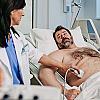
Fatty liver disease: Should you be tested?

Even a little exercise linked with lower stroke risk in people with afib

Testosterone therapy without evidence of deficiency may boost heart risk

Weight-loss drug may lower risk of heart attacks and infections

Migraine: How it's diagnosed and what that means

Tricep workouts you can do at home

Mindfulness practices to reduce stress and improve focus

Antihistamines may not offer meaningful relief from eczema symptoms

Overweight and taking blood pressure medications: Study finds it's a trend that's working

FDA approves first mRNA-based flu vaccine
Physical activity and exercise Archive
Articles


When pills pose problems
Up to 40% of American adults have reported difficulty swallowing pills. Older adults are more susceptible to this problem, known as dysphagia, because they take more medications. Dysphagia may provoke people to abandon their medication regimen. Problems swallowing pills are typically traceable either to the medication or the person taking it. Drugs can cause dry mouth, affect taste, irritate the esophagus, or cause sedative effects. Conditions that affect swallowing include cancer, stroke, neurological diseases, and hiatal hernia.

Fitness face-off
Popular exercise styles can be subject to trends. Scientists have studied high-intensity bursts of exercise a great deal in recent years, but research continues to also focus on the health benefits of moderate-intensity, continuous movement. Studies suggest both types of exercise can lower the odds of cardiovascular disease, cancer, and premature death. High-intensity exercise, however, can help people fulfill recommended exercise guidelines in less time. It does pose drawbacks, however, such as a higher risk of injuries and inflammation to joints and muscles.

Less sitting, more vigorous exercise can help lower blood pressure
A 2024 study suggests that reallocating as little as five minutes per day from time spent sitting, standing, or walking to vigorous exercise may help lower blood pressure. Switching out a bigger block of sedentary time for exercise may offer even greater benefit.

Try this: The "old man" test
Putting on your socks and shoes while standing on one leg is a way to evaluate your mobility, balance, core strength, flexibility, and stability.

Dealing with the grief of physical decline
Over time, many men experience grief brought on by physical decline where they can no longer perform activities like before, have less endurance, and need more time to recover. Men can manage this grief by accepting these changes as part of normal aging, focusing on what they still can do, adjusting their goals to meet their new abilities, and talking with others going through similar issues.

Which is healthier: Coffee or tea?
Studies have shown that both coffee and tea drinkers may experience health benefits compared to people who don't consume these beverages. Experts point to the high amounts of caffeine and inflammation-fighting polyphenols in these drinks as possible reasons.
Fatty liver disease: Should you be tested?
Even a little exercise linked with lower stroke risk in people with afib
Testosterone therapy without evidence of deficiency may boost heart risk
Weight-loss drug may lower risk of heart attacks and infections
Migraine: How it's diagnosed and what that means
Tricep workouts you can do at home
Mindfulness practices to reduce stress and improve focus
Antihistamines may not offer meaningful relief from eczema symptoms
Overweight and taking blood pressure medications: Study finds it's a trend that's working
FDA approves first mRNA-based flu vaccine
Free Healthbeat Signup
Get the latest in health news delivered to your inbox!
Sign Up
