

CoQ10: Should you take this popular supplement if you're on a statin?

Oat vs. dairy milk: Nutrition, benefits, and downsides

Microplastics: A hidden health threat?

Healing after food poisoning

What is tempeh? Benefits, nutrition, and how to use it

Light exposure at night may raise risk for heart disease

Whole grains may improve several heart risk factors at once

A lumbar belt may help ease low back pain

Children of centenarians may stay healthier and live longer too, study finds

Signs of pneumonia: Sometimes vague and unexpected
Osteoporosis Archive
Articles
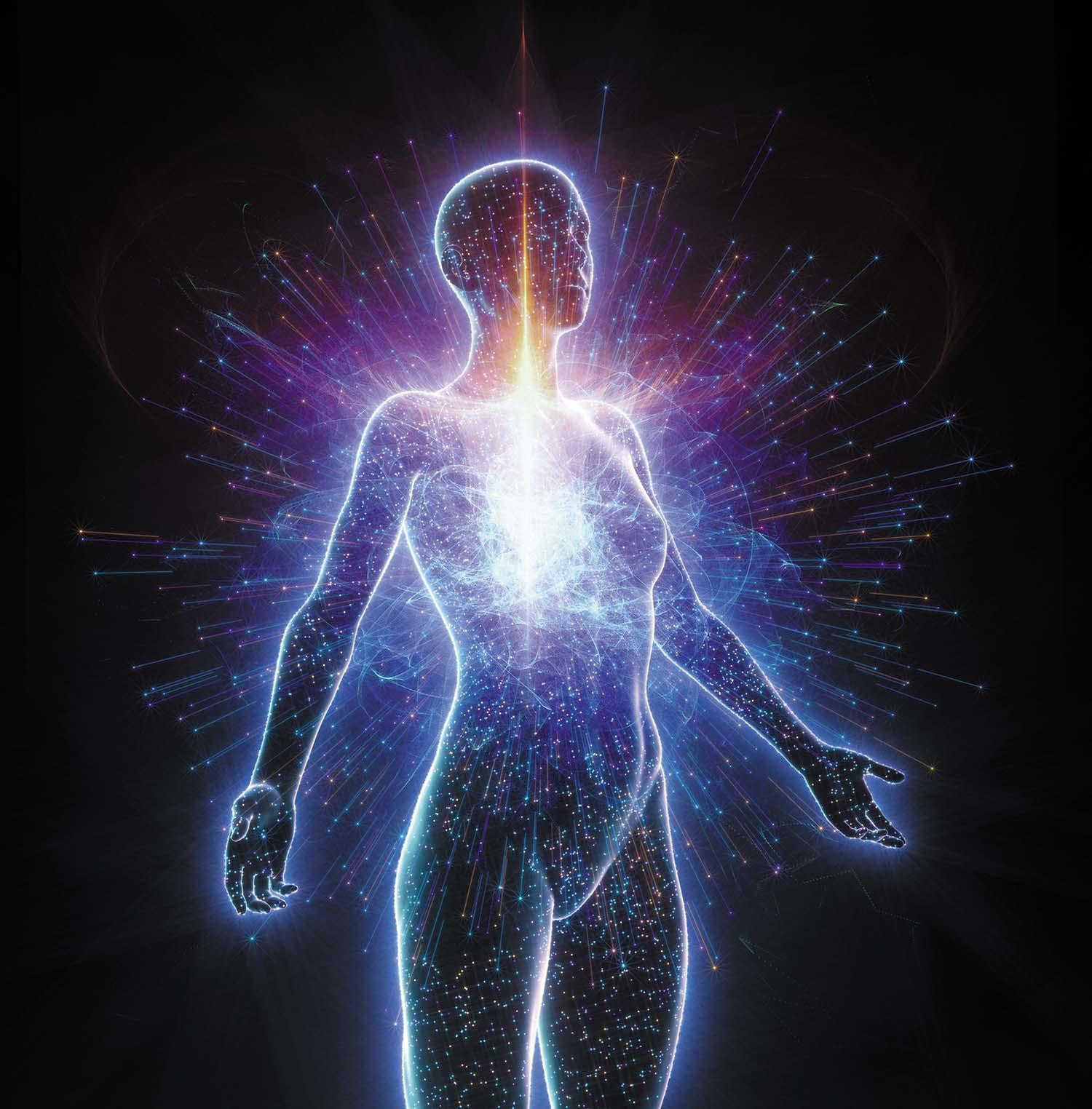
How "inflammaging" shapes our health
Inflammaging is chronic, low-grade inflammation throughout the body that occurs with aging. It is believed to accelerate aging and contribute to more than half of all deaths worldwide by driving various age-related diseases such as arthritis, autoimmune conditions, heart disease, cancer, diabetes, and Alzheimer's disease. People can combat inflammaging through healthy lifestyle measures such as exercising, eating healthfully, controlling weight, managing stress, prioritizing sleep, and limiting alcohol and smoking.

When celiac disease strikes later in life
Celiac disease is an autoimmune digestive condition triggered by gluten, a sticky protein found in grains such as wheat, barley, and rye. Celiac disease is typically diagnosed later in life, and occurs more often in women. Symptoms include intestinal distress, weight loss, rashes, fatigue, and nutrient deficiencies. Celiac patients must adopt a strictly gluten-free diet, which can be challenging after decades of eating gluten. Helpful strategies include creating gluten-free kitchen areas, buying naturally gluten-free items, and examining food labels.
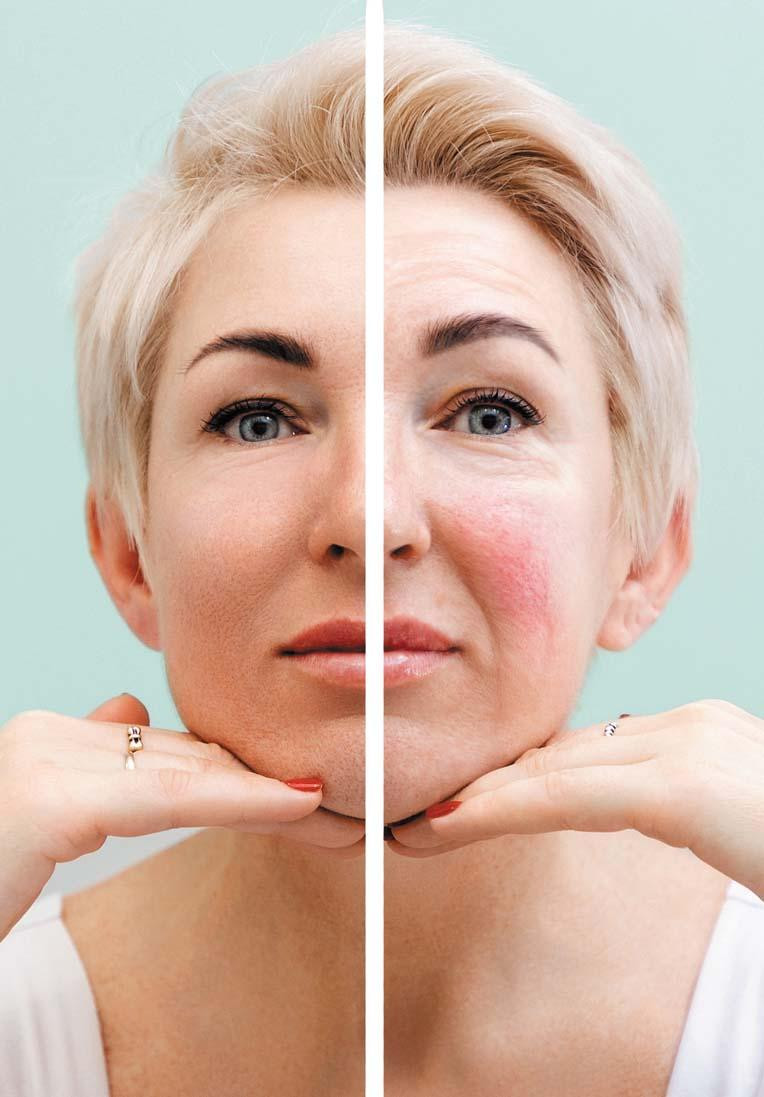
Is this common skin problem overlooked?
A 2025 Finnish study found that rosacea often goes undiagnosed in people ages 70 or older. Researchers say this might be due to busy physicians with limited awareness of rosacea or patients' own embarrassment or unwillingness to seek treatment.
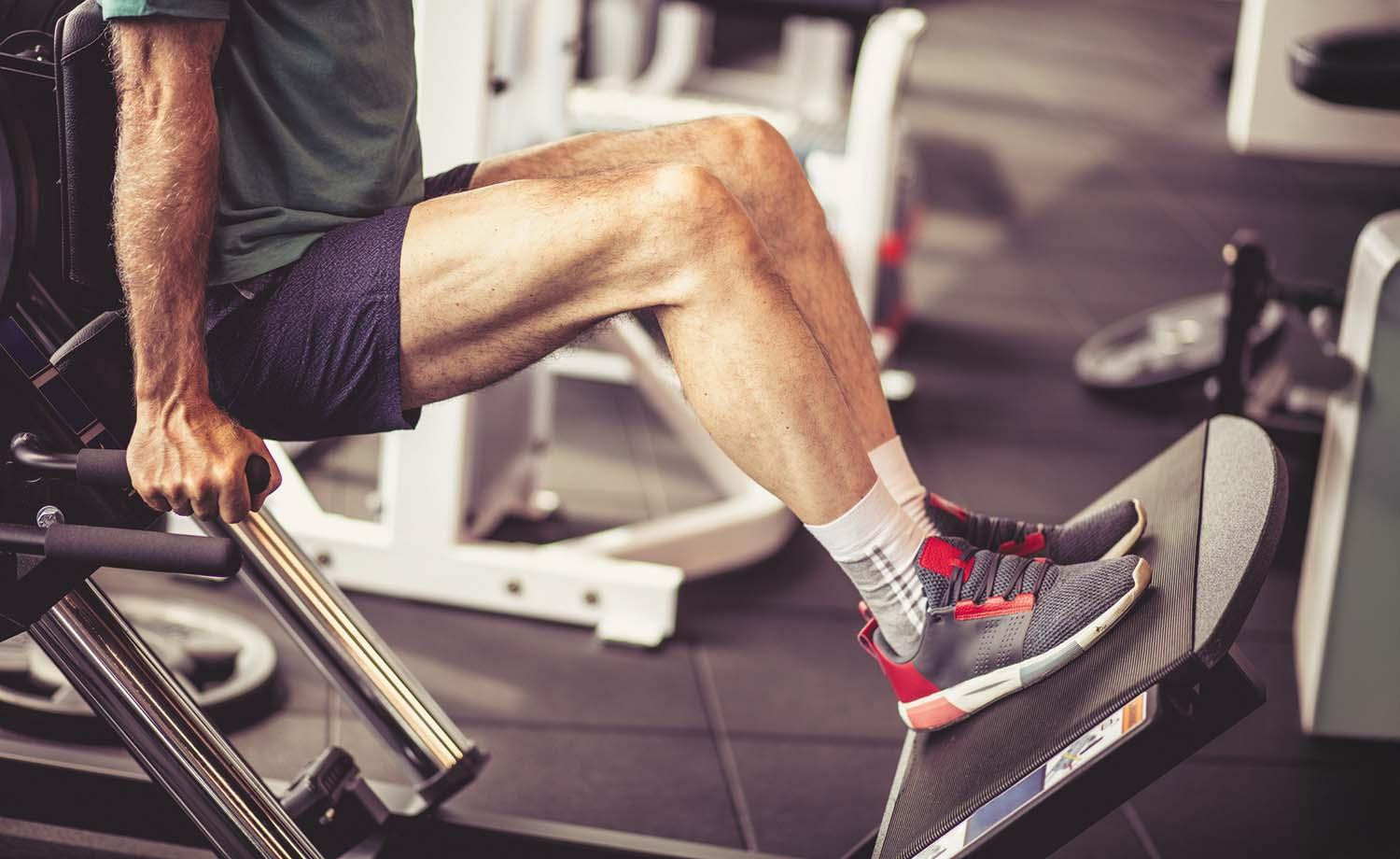
Building stronger legs
Leg strength becomes even more vital as people age, as the legs are essential for routine movements such as going up and down stairs, sitting and rising from chairs, bending over and standing up, and protecting against falls. The main leg muscles are gluteals, quadriceps, hamstrings, and calves. Some exercises that can help strengthen these muscles are bridges, step-ups, and heel raises.
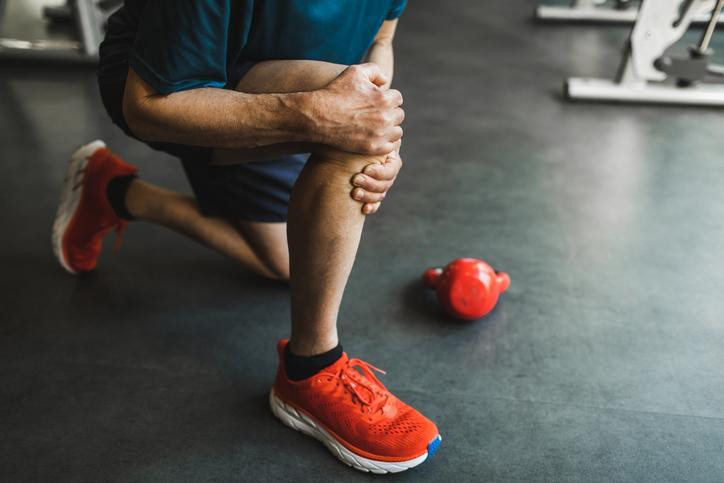
Gait training may relieve pain from knee osteoarthritis
In a 2025 study, people with knee osteoarthritis reported less pain and had less knee cartilage damage after changing their walking gait to reduce pressure on the inner part of the knee.

Combining Mediterranean diet with other lifestyle changes offers extra protection against diabetes
In a 2025 study, people who followed a Mediterranean diet, reduced their calorie intake, exercised at least 150 minutes a week, and received weight-loss support lowered their diabetes risk and lost more weight than those who only followed a Mediterranean diet.

What causes red wine headaches?
Red wine headaches are a common phenomenon. Scientists believe they're due to a flavonoid called quercetin, which may block a key enzyme that breaks down alcohol in the liver and allows the buildup of a chemical called acetaldehyde that can trigger headaches.
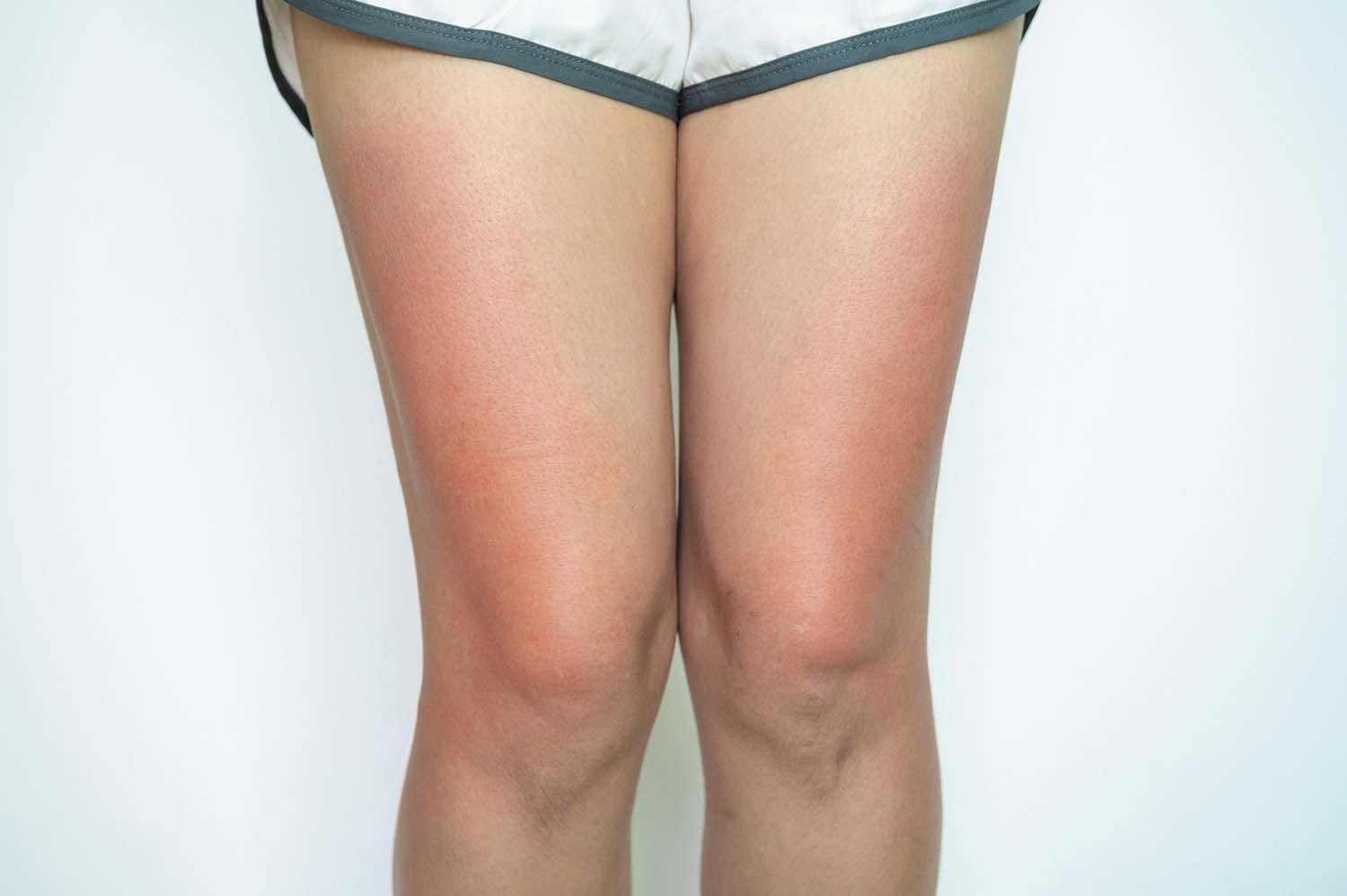
What is toasted skin syndrome?
Toasted skin syndrome is a rash that develops in a fishnet-like pattern from direct, chronic, low-level exposure to heat sources such as laptops, electric blankets, heating pads, and heated car seats. The heat dilates superficial blood vessels under the skin, causing the rash.

A Christmas Eve memory: Science leads to cures
Science has made astonishing progress in the past 60 years in many areas. Examples include the ability to repair certain defective genes, use stem cells to treat certain diseases, detect and fight many cancers, fight viruses with medications, make organ transplants work, and prevent disease with vaccines and lifestyle changes. Thanks to technological advances, doctors can also see clearly inside the body and use artificial intelligence to speed the development of new medications.
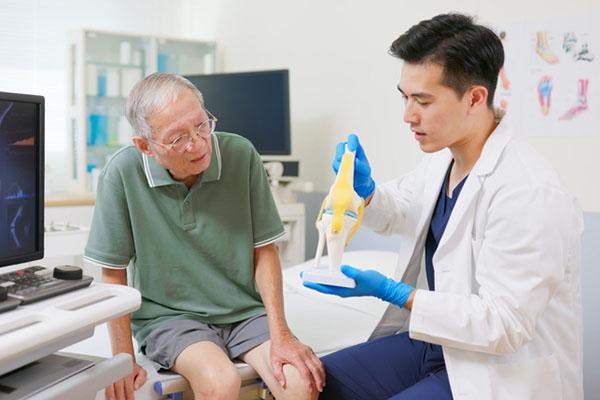
What happens when a joint replacement fails?
Total knee and hip replacements are highly successful procedures that can relieve pain and restore mobility for people with severe arthritis. Occasionally, joint replacement fails, and revision surgery is needed. Reasons for revision include infection, implant loosening, dislocation, and fracture. Warning signs of a problem include persistent pain, swelling, or instability. Revision surgeries are more complex, require longer recovery, and carry higher risks than the original surgery. Experienced surgeons who perform these procedures frequently tend to have the most success.
CoQ10: Should you take this popular supplement if you're on a statin?
Oat vs. dairy milk: Nutrition, benefits, and downsides
Microplastics: A hidden health threat?
Healing after food poisoning
What is tempeh? Benefits, nutrition, and how to use it
Light exposure at night may raise risk for heart disease
Whole grains may improve several heart risk factors at once
A lumbar belt may help ease low back pain
Children of centenarians may stay healthier and live longer too, study finds
Signs of pneumonia: Sometimes vague and unexpected
Free Healthbeat Signup
Get the latest in health news delivered to your inbox!
Sign Up
