

CoQ10: Should you take this popular supplement if you're on a statin?

Oat vs. dairy milk: Nutrition, benefits, and downsides

Microplastics: A hidden health threat?

Healing after food poisoning

What is tempeh? Benefits, nutrition, and how to use it

Light exposure at night may raise risk for heart disease

Whole grains may improve several heart risk factors at once

A lumbar belt may help ease low back pain

Children of centenarians may stay healthier and live longer too, study finds

Signs of pneumonia: Sometimes vague and unexpected
Osteoporosis Archive
Articles
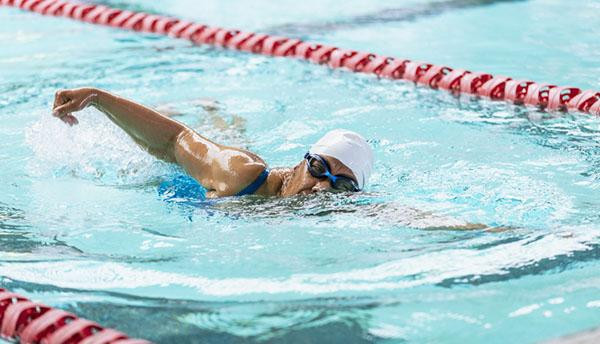
Walking, cycling, and swimming are best exercises for knee osteoarthritis
An analysis of 217 trials found that lower-impact aerobic exercise (walking, cycling, and swimming) is most effective for easing knee osteoarthritis pain and improving function. Other exercise types, such as flexibility, mind-body, neuromotor, and strengthening, also offer benefits.

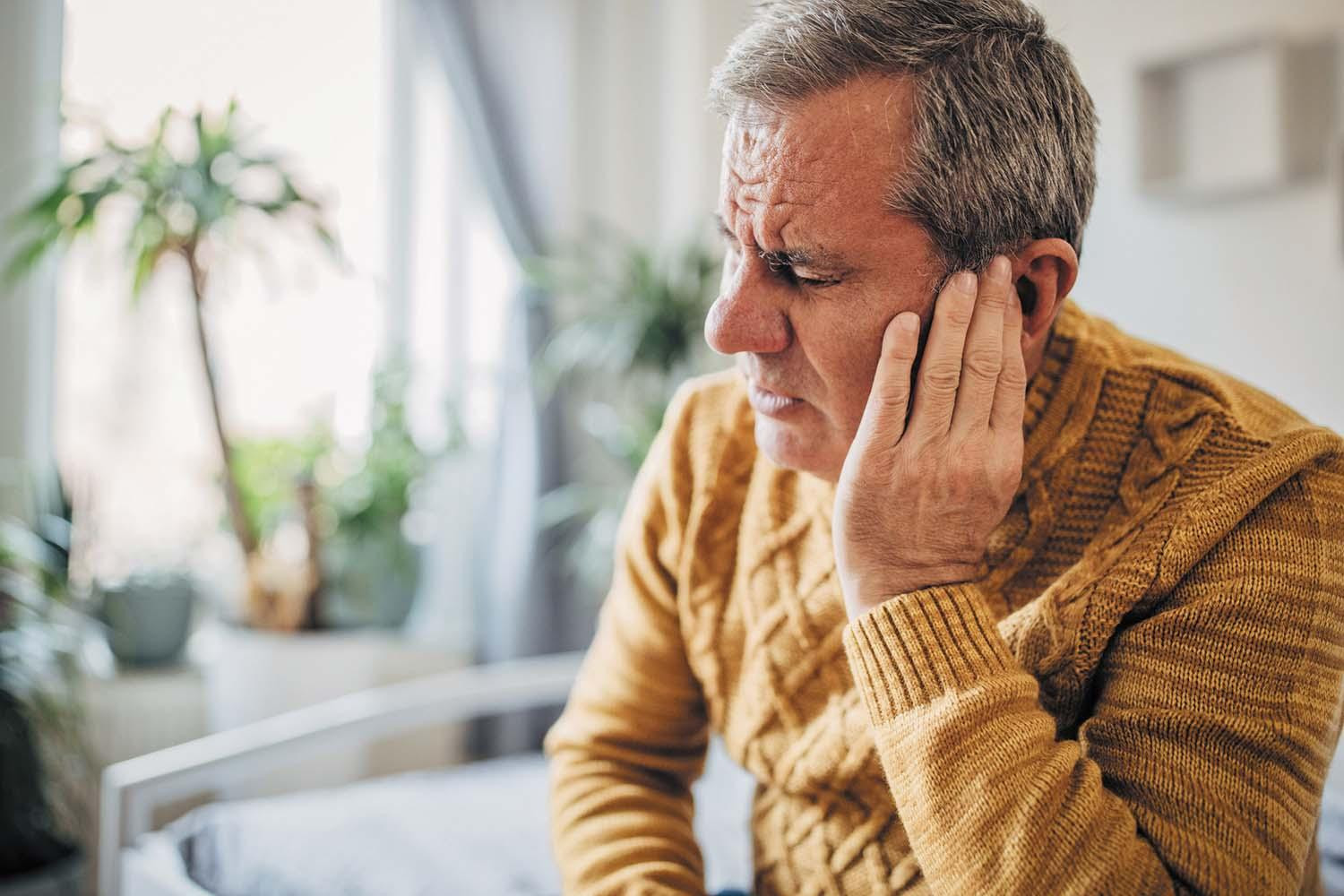
Tips to cope when hearing hurts
Hyperacusis describes sensitivity to some or all sounds, no matter the volume. Depending on the person, sounds might be uncomfortably loud; cause pain in the ear, head, or another part of the body; trigger negative emotional responses; or make someone dizzy. These reactions might be due to irritated or overactive nerve fibers or muscles in the ear. While doctors have few treatments for hyperacusis, certain strategies help, such as avoiding sound triggers, wearing hearing protection, and engaging in sound therapy.
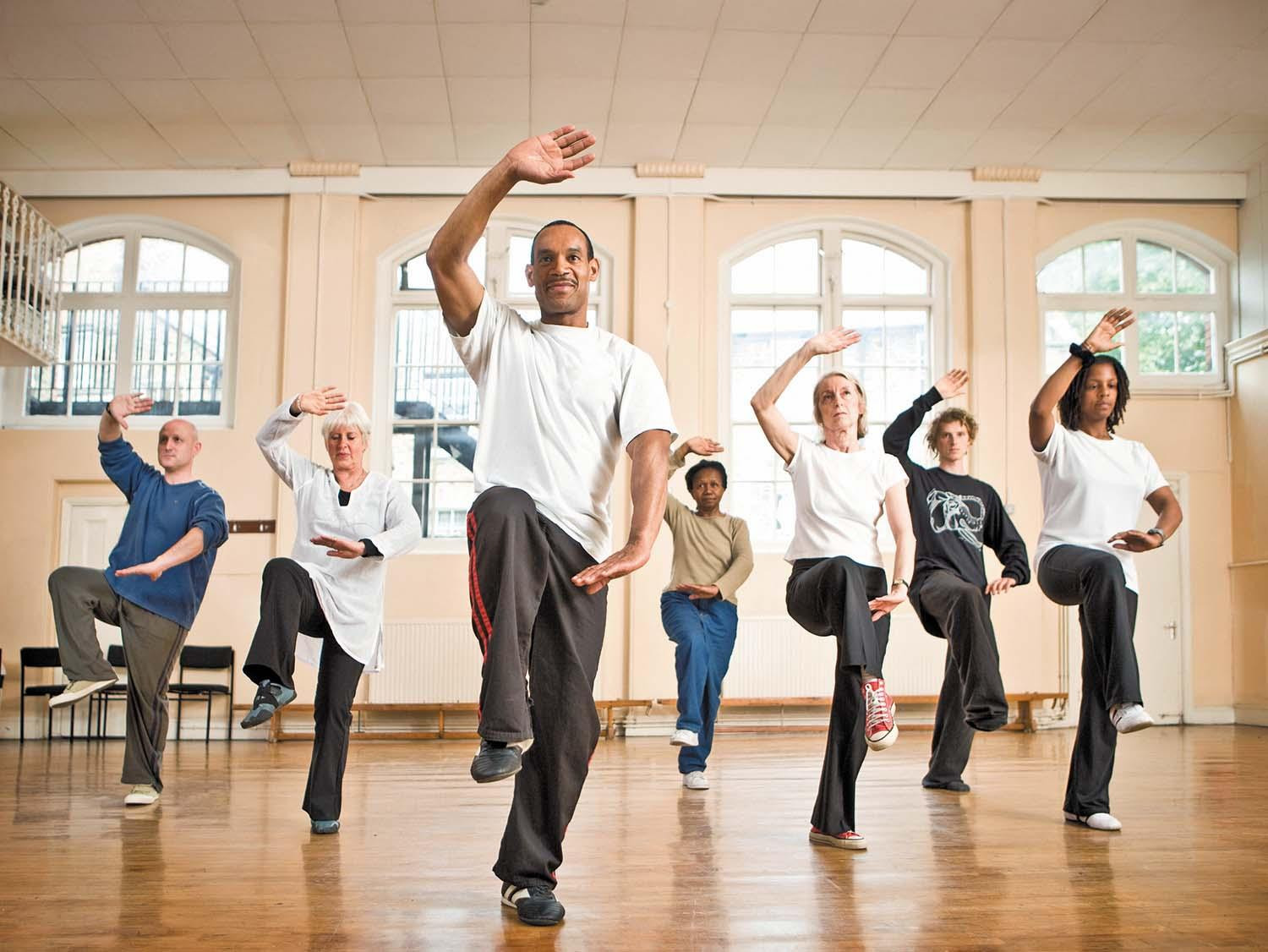
Improve your balance with tai chi this winter
Tai chi uses a series of gentle, flowing motions and slow, deep breathing to exercise the body and calm the mind. It's good for health in many ways, especially for balance, which improves as the body becomes more attuned to changes in movement. Tai chi can be practiced outdoors as well as indoors, which is helpful during winter months. To get started in a tai chi practice, it helps to take a class with an instructor who supervises practitioners' progress. Classes can be found at wellness centers and health clubs.

Respiratory syncytial virus (RSV) tied to heart problems
A 2025 study suggests that respiratory syncytial virus (RSV) can lead to heart-related complications, such as a heart attack, chronic heart failure, or an irregular heartbeat-even in people without a previous heart condition.
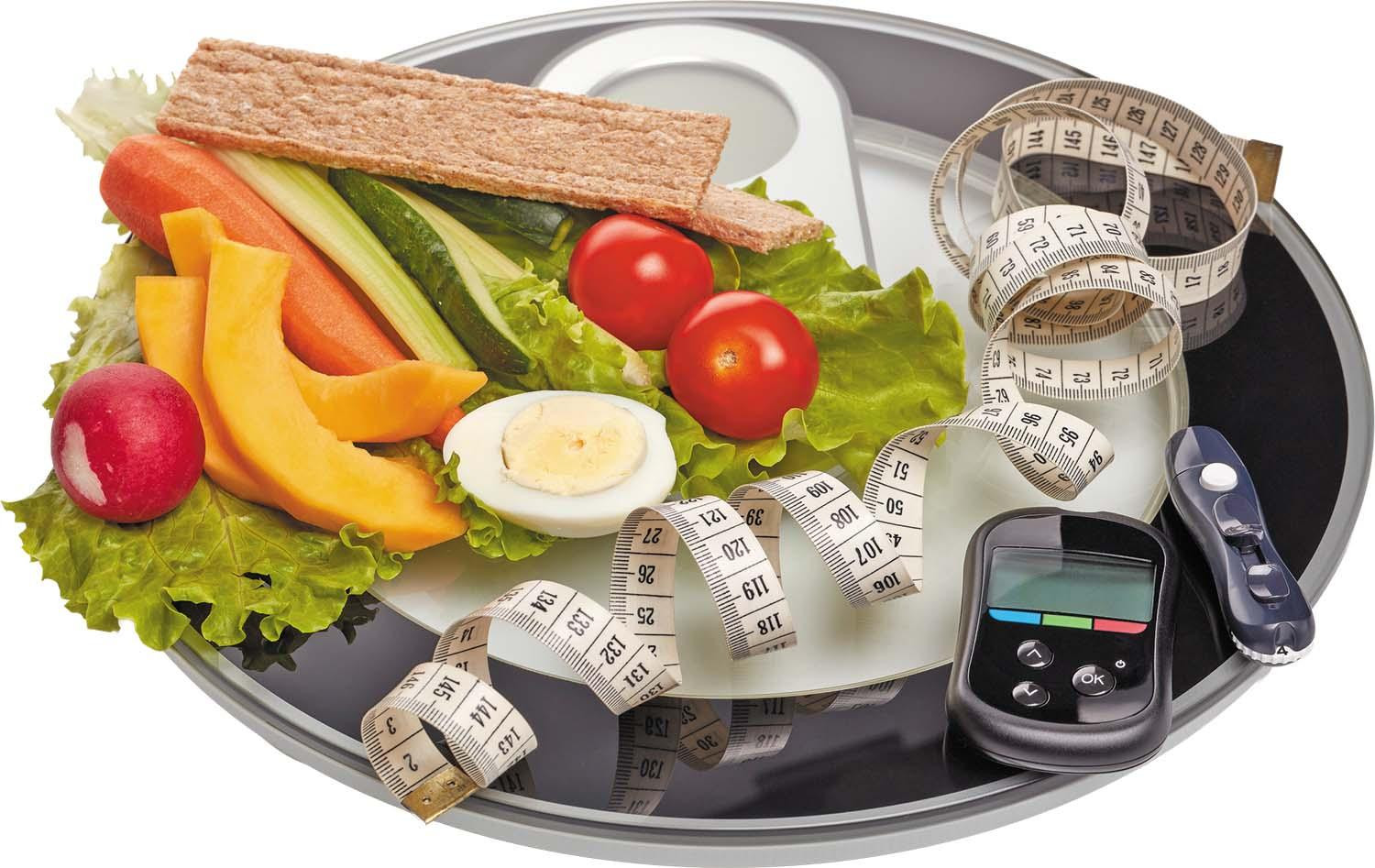
The case for watching your blood sugar
Being mindful of how various factors affect blood sugar levels can help people avoid fatigue, curb cravings, boost mood, and manage weight. Blood sugar spikes after people eat carbohydrate-heavy foods, soon dropping again. Eating balanced meals and snacks that include protein, fat, and carbohydrates can maintain more stable blood sugar levels. People can keep blood sugar levels consistent by timing meals, practicing portion control, prioritizing healthy foods, staying active, avoiding smoking, and keeping a food log.
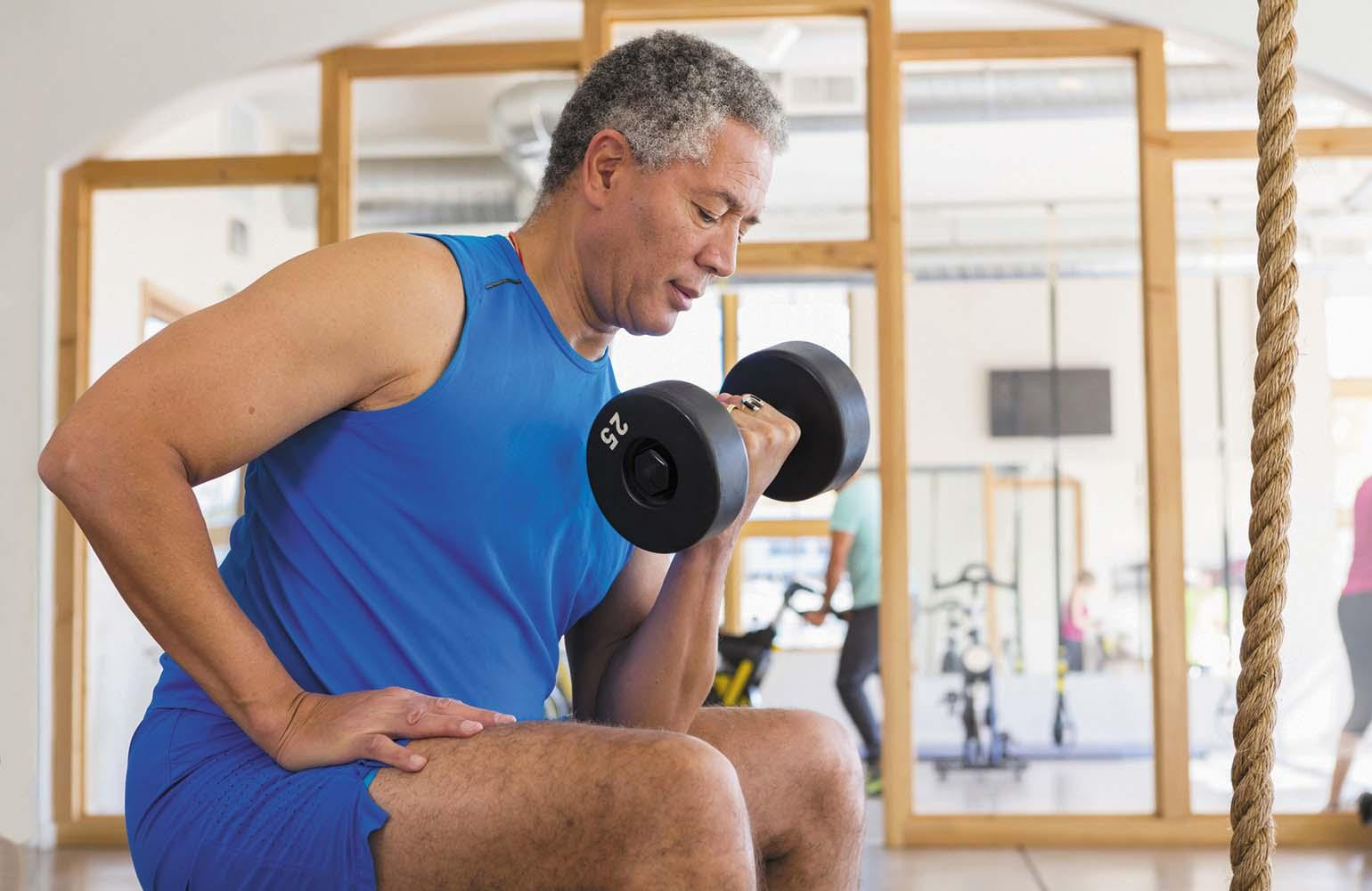
How to get rid of belly fat
Men often carry around extra belly fat and lose muscle mass as they age. An expanding waist could be sign of too much visceral fat, which is stored within the abdominal cavity and surrounds vital organs, including the pancreas, liver, and intestines. Research has shown that visceral fat can increase blood pressure, blood sugar, and total cholesterol levels, and raise the risk of fatty liver disease. Building muscle mass with resistance training and getting aerobic exercise improve muscle metabolism and help reduce visceral fat.
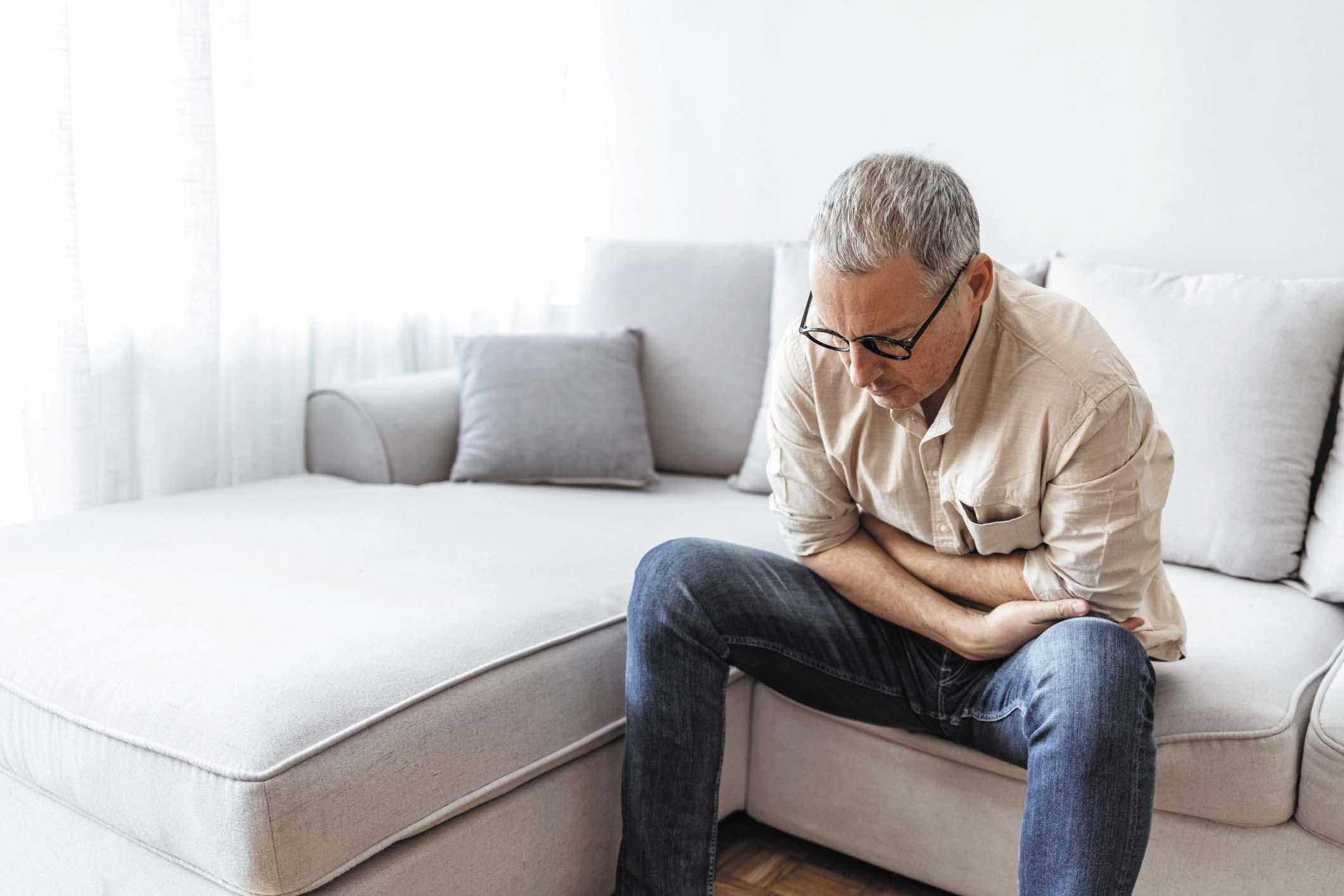
What to do about pain "down there"?
Chronic pelvic pain-medically known as chronic prostatitis / chronic pelvic pain syndrome, or CP/CPPS-is one of the more common and challenging conditions older men face. Because the underlying cause may not be identified, doctors often take a trial-and-error approach to managing the common symptoms like throbbing, aching pain, urination problems, and sexual dysfunction. Options include different types of medication, physiotherapy, shock wave therapy, and aerobic exercise.

How to return to fitness after total knee replacement
Complete recovery from total knee replacement surgery can take six to 12 months. Working with a physical therapist to regain strength and mobility, most people can return to normal daily function within three months. It's important to remain active once physical therapy concludes. Lower-impact activities, such as walking, hiking, biking, swimming, golfing, strength training, and aerobic activities, are recommended. High-impact activities, such as running, may shorten the life span of the implant.
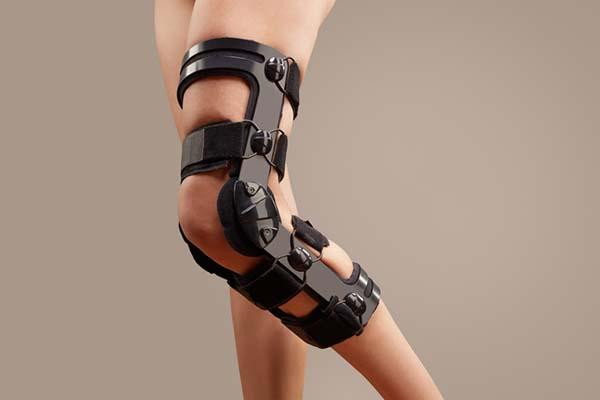
Knee braces, hydrotherapy, and exercise stand out as the best nondrug therapies for knee osteoarthritis
Among 12 physical therapy approaches for knee osteoarthritis compared in a 2025 study, three stood out. Knee braces, followed by hydrotherapy (exercise in water) and exercise (strength training and aerobics), were best for reducing pain and stiffness and improving physical function.
CoQ10: Should you take this popular supplement if you're on a statin?
Oat vs. dairy milk: Nutrition, benefits, and downsides
Microplastics: A hidden health threat?
Healing after food poisoning
What is tempeh? Benefits, nutrition, and how to use it
Light exposure at night may raise risk for heart disease
Whole grains may improve several heart risk factors at once
A lumbar belt may help ease low back pain
Children of centenarians may stay healthier and live longer too, study finds
Signs of pneumonia: Sometimes vague and unexpected
Free Healthbeat Signup
Get the latest in health news delivered to your inbox!
Sign Up
