

CoQ10: Should you take this popular supplement if you're on a statin?

Oat vs. dairy milk: Nutrition, benefits, and downsides

Microplastics: A hidden health threat?

Healing after food poisoning

What is tempeh? Benefits, nutrition, and how to use it

Light exposure at night may raise risk for heart disease

Whole grains may improve several heart risk factors at once

A lumbar belt may help ease low back pain

Children of centenarians may stay healthier and live longer too, study finds

Signs of pneumonia: Sometimes vague and unexpected
Osteoporosis Archive
Articles

Lessons from women on longevity
Women live longer than men. However, that longevity gap in the United States has increased to 5.8 years, the largest gap since 1996, according to a 2024 study. Why the widening gap? Researchers believe that in many cases, women are better than men at addressing certain health needs that contribute to longer lives, such as losing excess weight, quitting smoking, getting regular skin check-ups, and not ignoring mental health issues.

What are eye flashes and floaters and what can I do about them?
Flashes and floaters are eye problems that become common with age. Over time, they may become less noticeable, but people should seek medical care if symptoms worsen, as this could be a sign of a retinal detachment.
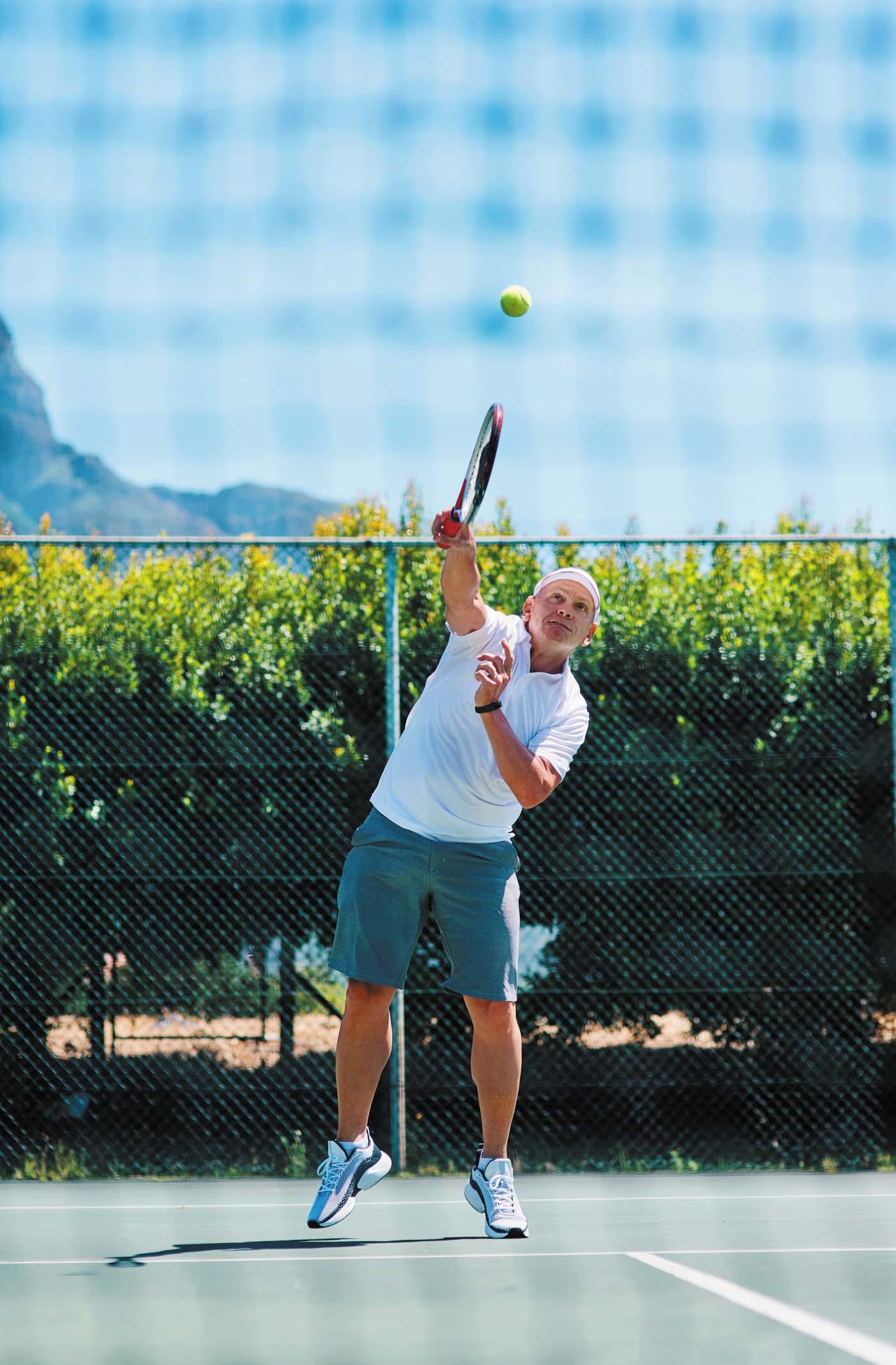
What to do if you get "tennis leg"
Tennis leg refers to a strained calf muscle, usually the gastrocnemius. A person can injure the muscle during activity when planting the foot down hard or suddenly changing direction. This might happen during sports, such as tennis, or even while walking or jogging. Mature athletes, who are prone to injury, are vulnerable to the injury. Treatment can involve resting, elevating, and icing the calf muscle; wearing a compression sock; taking painkillers; getting physical therapy; and having surgery.

Who's on your diabetes health care team?
Someone with a new diagnosis of diabetes might feel overwhelmed by the many strategies required to help control the disease. It helps to add several experts to the care team. Soon after a diagnosis, it's a good idea to schedule appointments with a dietitian, an eye doctor, an endocrinologist, and a certified diabetes educator. It's also helpful to add other experts as needed to the team, such as a physical therapist, a podiatrist, a social worker or an aging life care manager, and a certified health coach.
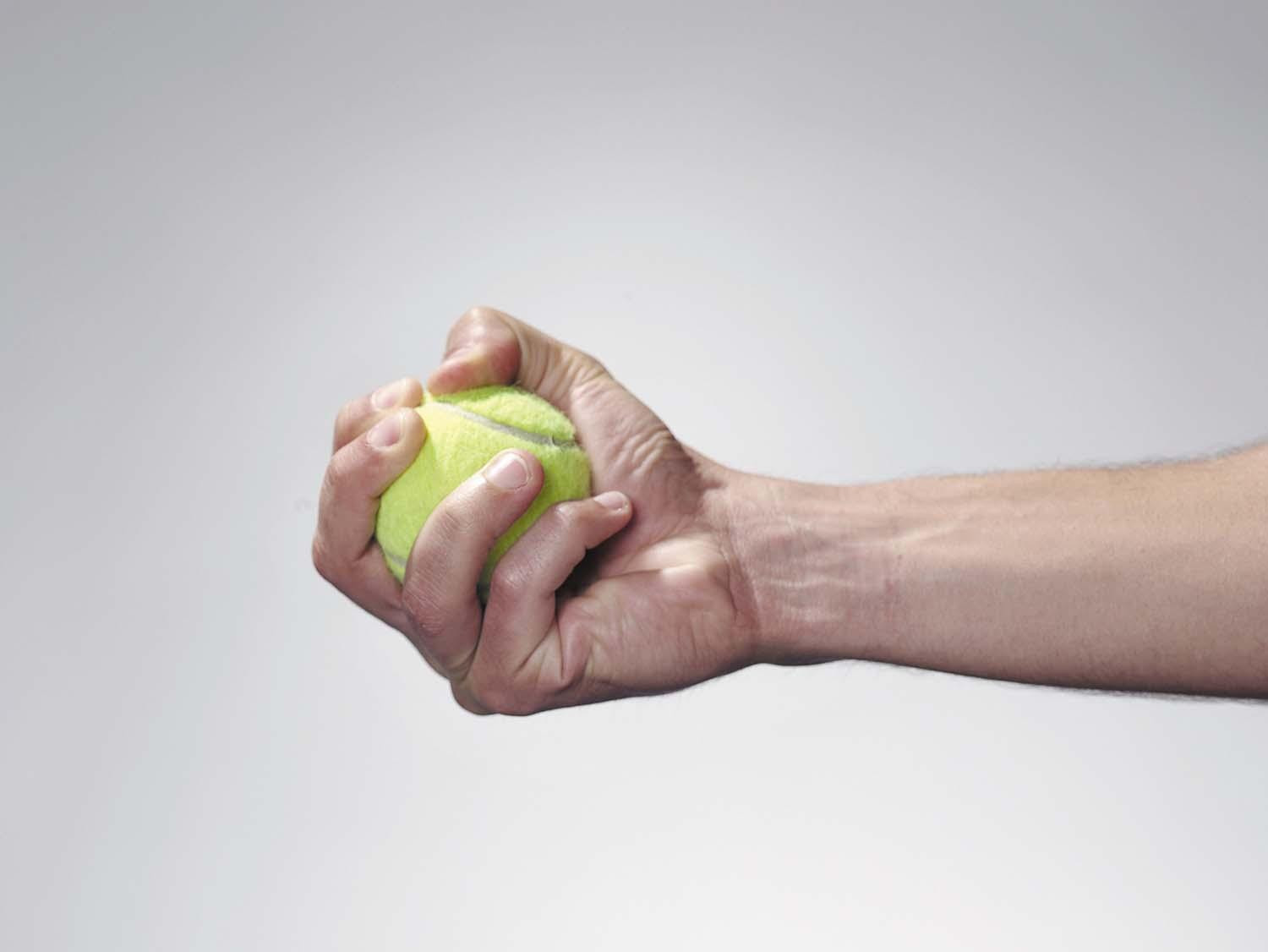
Why do I feel more clumsy with age?
As people get older, they may get clumsier because of multiple factors such as declining hearing and vision, loss of muscle, balance issues, and chronic health conditions. Addressing these issues can help people avoid injury from falls and other accidents.
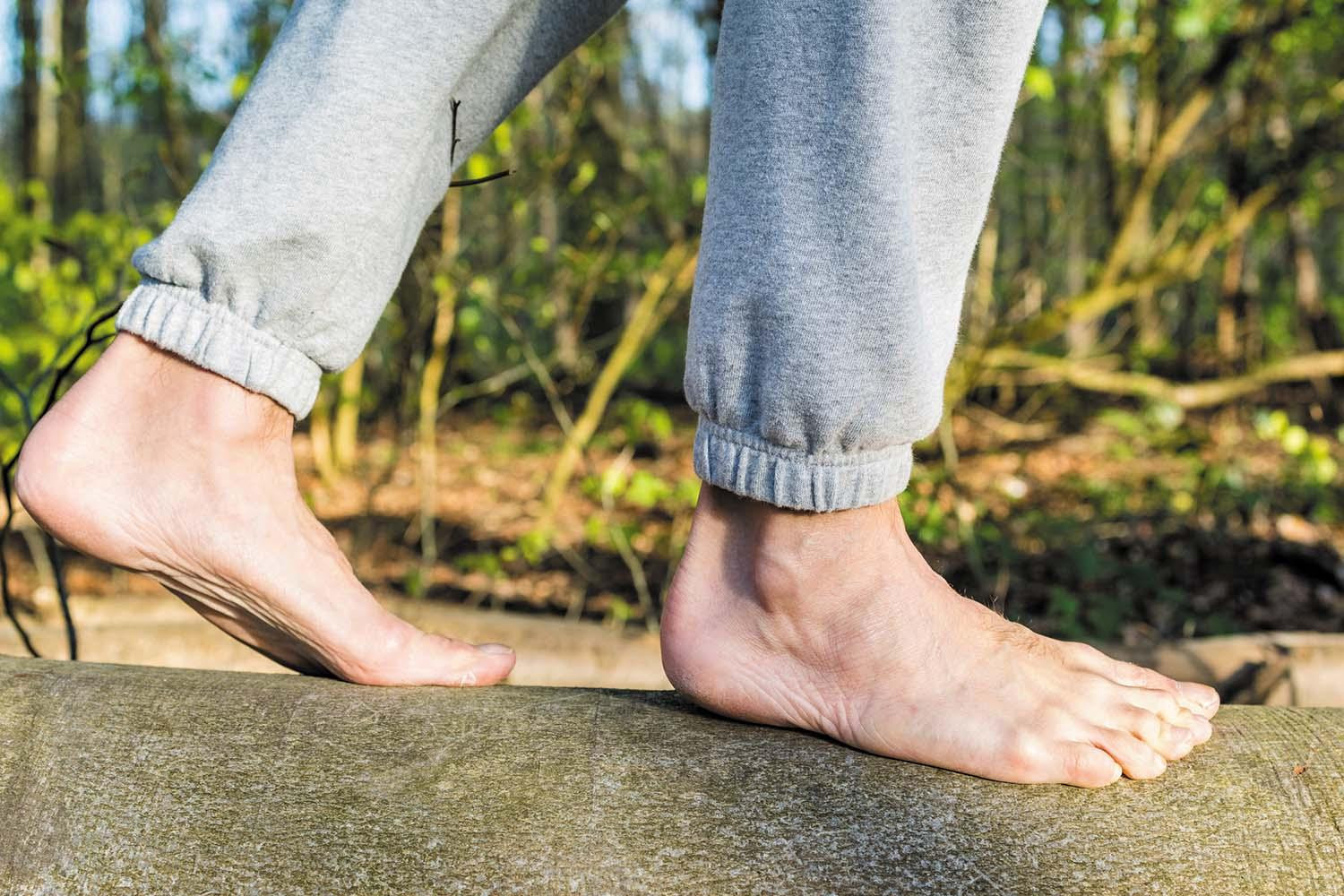
A look at nail problems
Toenail fungus, ingrown toenails, and brittle or cracked fingernails are common nail problems that affect older adults. They can make hands and feet unsightly and sometimes even painful. Treating these problems and preventing them from returning often takes a trial-and-error approach, diligence, and patience. Strategies include a combination of home remedies, over-the-counter medication, and good hygiene and grooming habits.
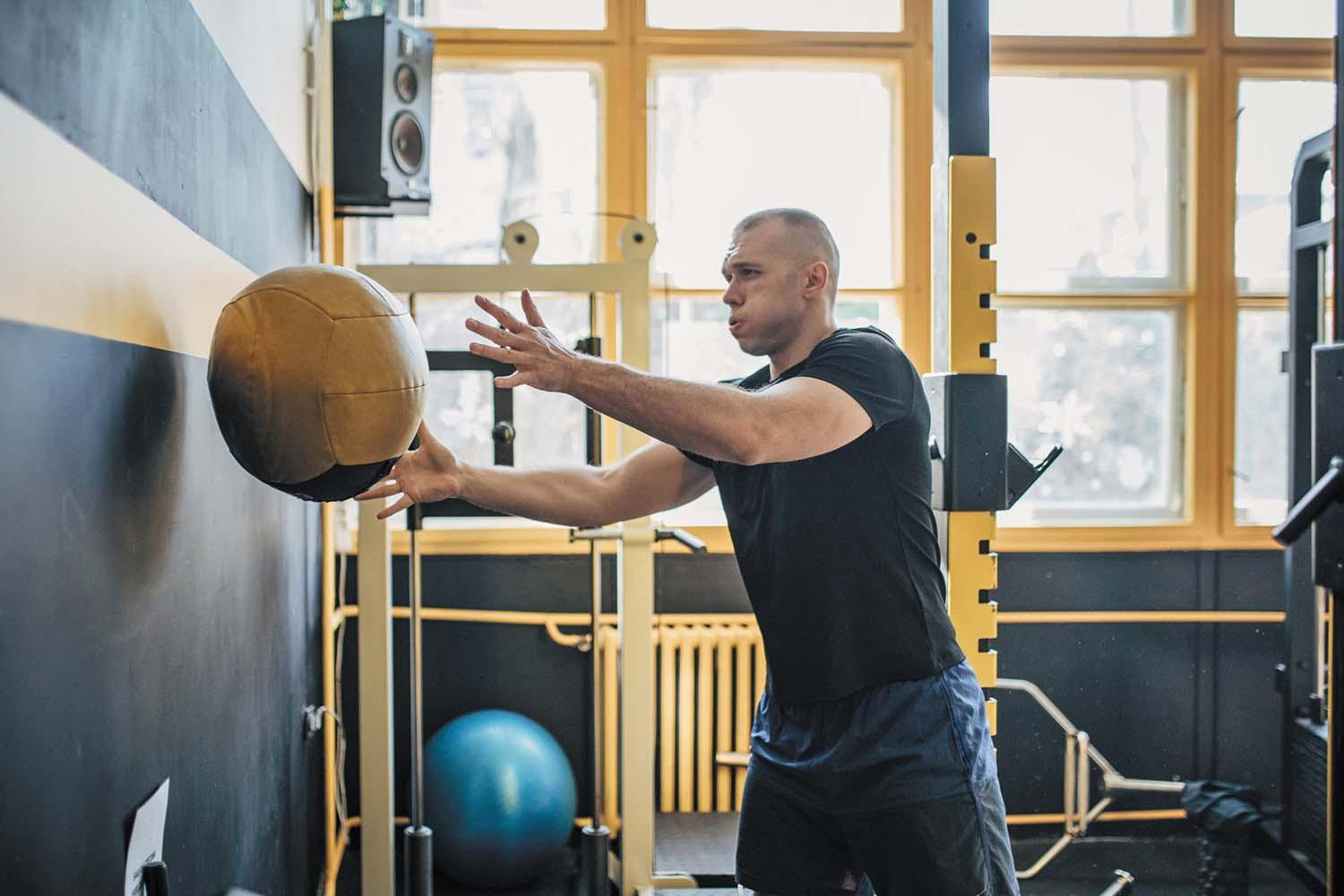
Power play
Power is the ability to generate a large amount of force in a short amount of time. It can help people to properly and safely execute many everyday movements, such as climbing stairs, lifting and carrying heavy objects, twisting, pulling, and throwing. Power also improves movement efficiency and reaction time, helping to prevent injuries from falls. Increasing overall muscle mass with regular strength training and doing plyometric exercises and explosive moves using a medicine ball can help build power.
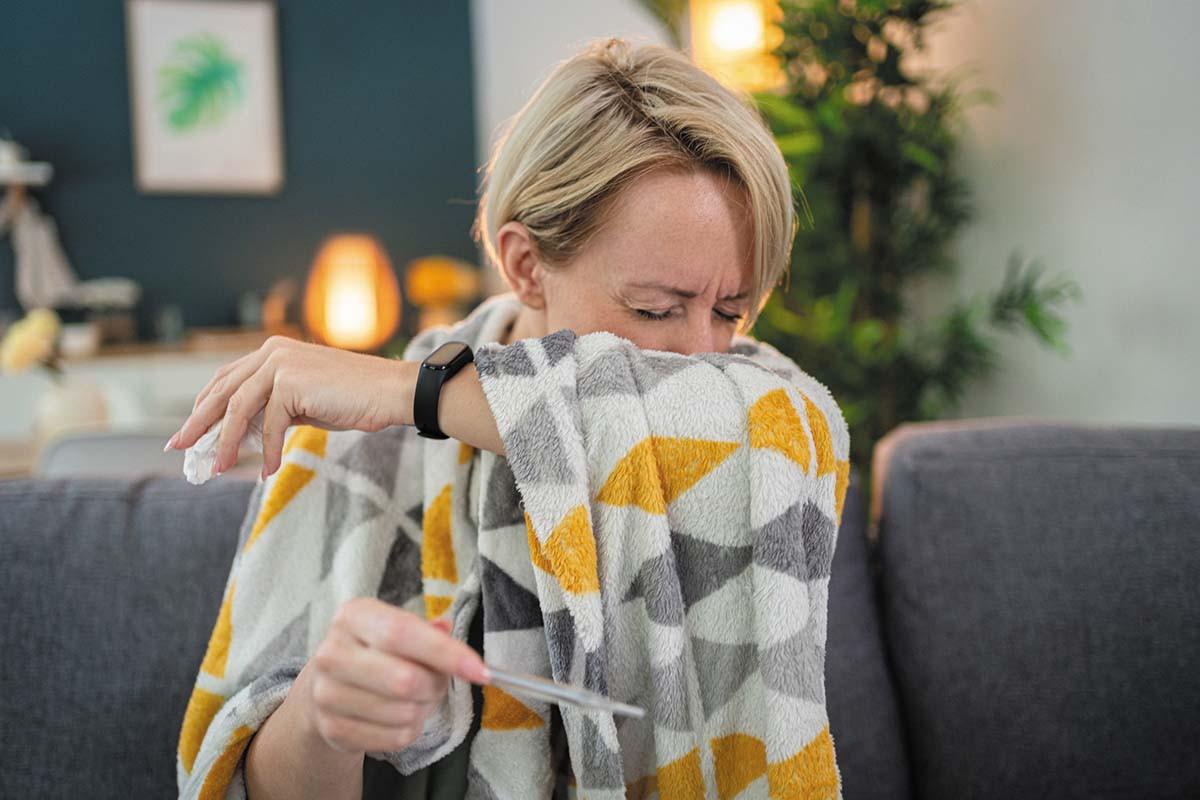
Why does the flu cause body aches?
The flu virus triggers bodywide aches and pain by causing inflammation. People can ease flu aches by staying hydrated; taking warm showers; and using over-the-counter anti-inflammatory drugs such as ibuprofen (Advil, Motrin) or naproxen (Aleve).
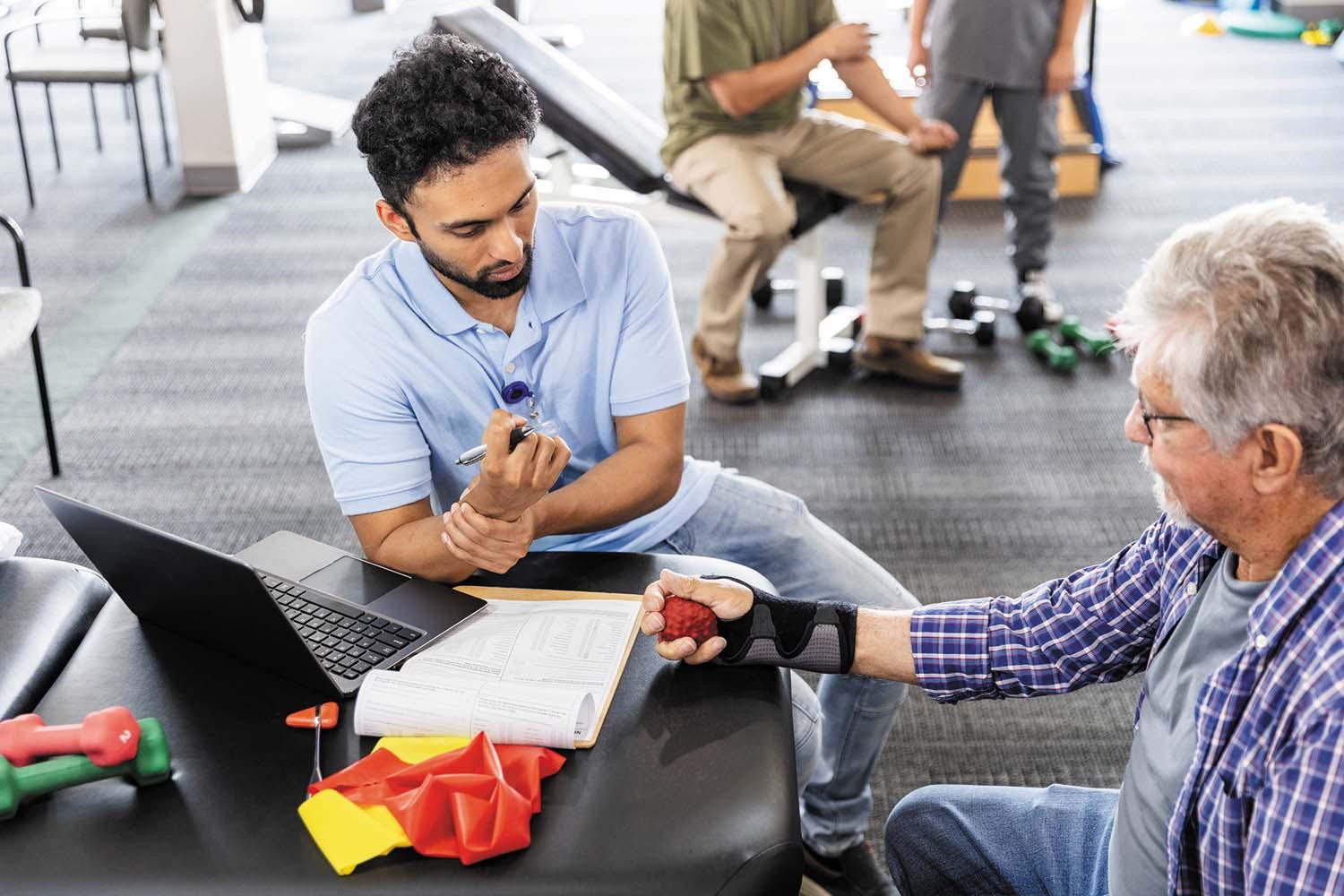
What's involved with hand therapy
Hand therapy is an effective way to overcome lost hand function due to injuries or underlying conditions. A course of therapy typically lasts for six weeks. It involves working with a certified hand therapist (CHT) who can develop and then guide someone through a tailored program of physical and functional exercises. CHTs also can make splints, offer emotional support, and help people learn to manage hand pain and swelling. It's best to start hand therapy before an injured hand has healed completely.
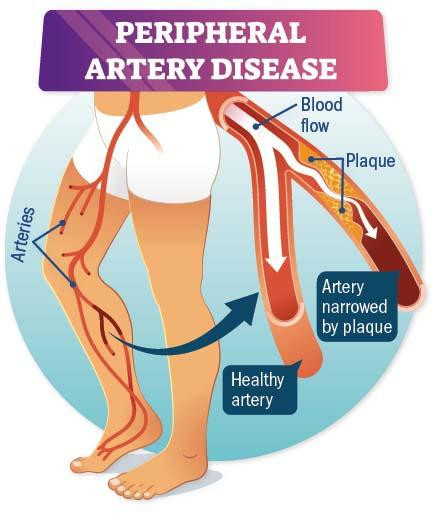
A new approach to peripheral artery disease
A 2025 randomized controlled trial found that GLP-1 receptor agonists, the blockbuster drugs approved to treat diabetes and obesity, boosted the walking ability of people with diabetes and peripheral artery disease (PAD) in the legs. The news is encouraging, since there are few effective treatments for PAD-reduced blood flow in the limbs that leads to pain with activity. However, it will take more evidence before doctors feel comfortable prescribing GLP-1s if a person only has PAD.
CoQ10: Should you take this popular supplement if you're on a statin?
Oat vs. dairy milk: Nutrition, benefits, and downsides
Microplastics: A hidden health threat?
Healing after food poisoning
What is tempeh? Benefits, nutrition, and how to use it
Light exposure at night may raise risk for heart disease
Whole grains may improve several heart risk factors at once
A lumbar belt may help ease low back pain
Children of centenarians may stay healthier and live longer too, study finds
Signs of pneumonia: Sometimes vague and unexpected
Free Healthbeat Signup
Get the latest in health news delivered to your inbox!
Sign Up
