

CoQ10: Should you take this popular supplement if you're on a statin?

Oat vs. dairy milk: Nutrition, benefits, and downsides

Microplastics: A hidden health threat?

Healing after food poisoning

What is tempeh? Benefits, nutrition, and how to use it

Light exposure at night may raise risk for heart disease

Whole grains may improve several heart risk factors at once

A lumbar belt may help ease low back pain

Children of centenarians may stay healthier and live longer too, study finds

Signs of pneumonia: Sometimes vague and unexpected
Osteoporosis Archive
Articles

When should I see a doctor about a bug bite?
Typical insect bites produce redness, itching, swelling, and pain. Signs of a more severe bug bite include hives, nausea, vomiting, fever, chills, drainage, rashes, blisters, numbness, or skin discoloration. People with any of these bug bite symptoms should see a doctor.

Do collagen supplements fulfill their promises?
The protein collagen supports skin, hair, nail, bone, joint, and muscle health. As people age, natural collagen production drops. Some early research suggests collagen supplements offer benefits, but people should ask their doctor about the pros and cons.

A simpler FODMAP diet for irritable bowel syndrome
A small randomized controlled trial published in February 2025 suggests that eliminating oligosaccharides from the diet might be enough to ease symptoms of irritable bowel syndrome, as opposed to eliminating all the categories of food known as FODMAPs.

Why are measles and other "eradicated" infectious diseases coming back?
Measles have made a comeback, with outbreaks in many states. The infection is extremely contagious and can be deadly. Most people getting measles were not vaccinated against it. Adults should get the vaccine if they were born after 1957 and didn't receive two doses. They should get a booster shot if they received the vaccine between 1963 and 1968, when the vaccine used was not as strong as the one that's been given since 1968.

A major change for restless legs treatment
In its 2025 guidelines for treating restless legs syndrome (RLS), the American Academy of Sleep Medicine stopped recommending the long-term use of dopamine agonist drugs, since they can eventually make RLS symptoms worse. Instead, the guidelines strongly recommend another class of medications as the first-line treatment: alpha-2-delta ligands, such as gabapentin (Neurontin), gabapentin enacarbil (Horizant), and pregabalin (Lyrica). Alpha-2-delta ligands do not make RLS symptoms worse.

Cushing's: A master of disguise
Cushing's is marked by elevated blood levels of the hormone cortisol. Far more common in women, the condition is categorized as a disease or syndrome based on what factors trigger it, which can include using corticosteroids or having a tumor on the brain's pituitary gland or elsewhere. Symptoms include a swollen face, excess belly weight, fatigue, a fatty hump between the shoulders, stretch marks, easy bruising, and slow wound healing. Cushing's can also lead to health problems such as cardiovascular disease, bone loss, and diabetes.
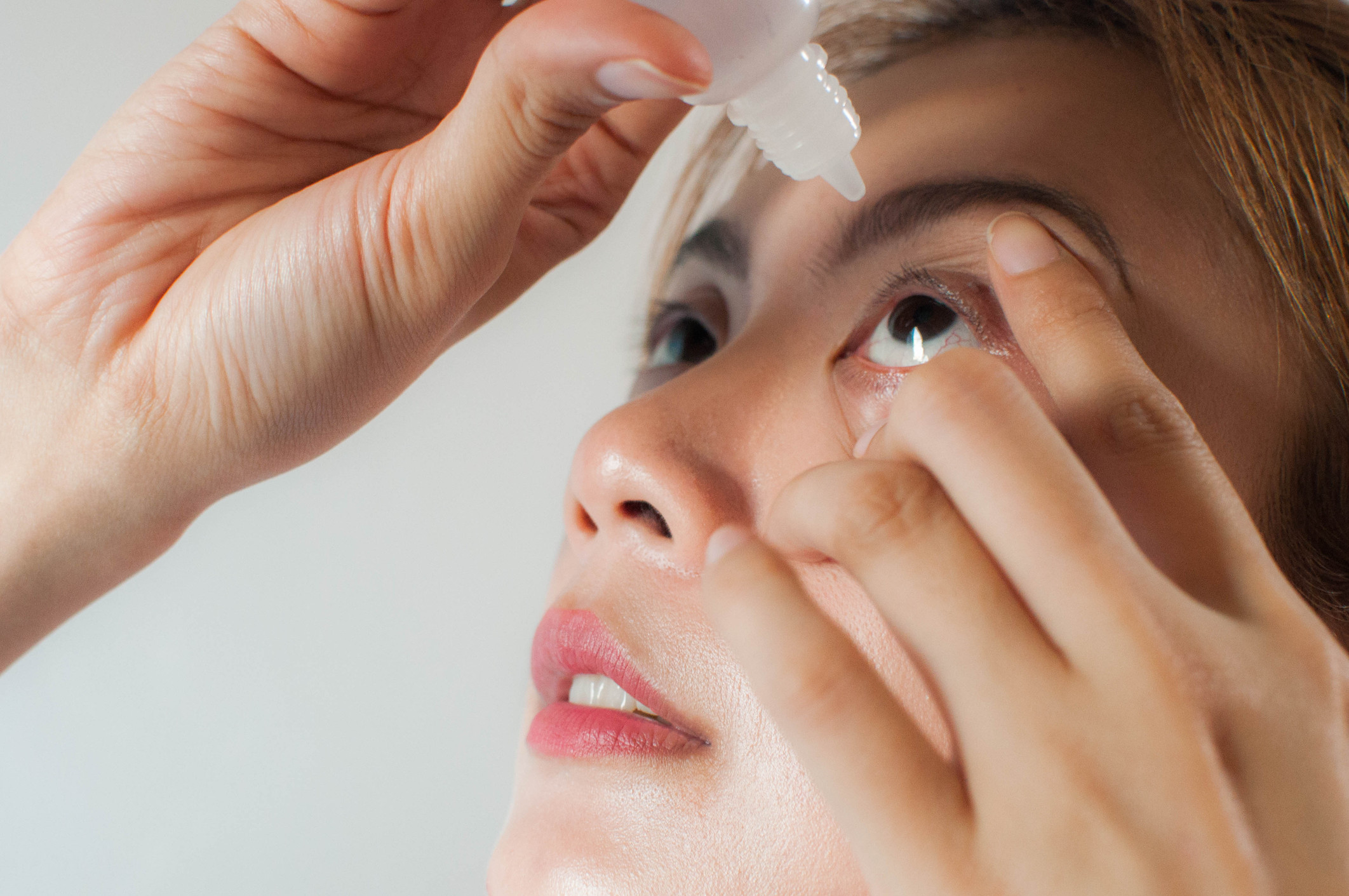
Try this: Soothe those dry eyes
Many home remedies can soothe tired, dry eyes, such as applying warm compresses, taking regular breaks from electronics, staying hydrated, and using artificial tears. People who struggle using eye drops can try over-the-counter devices that make application easier.
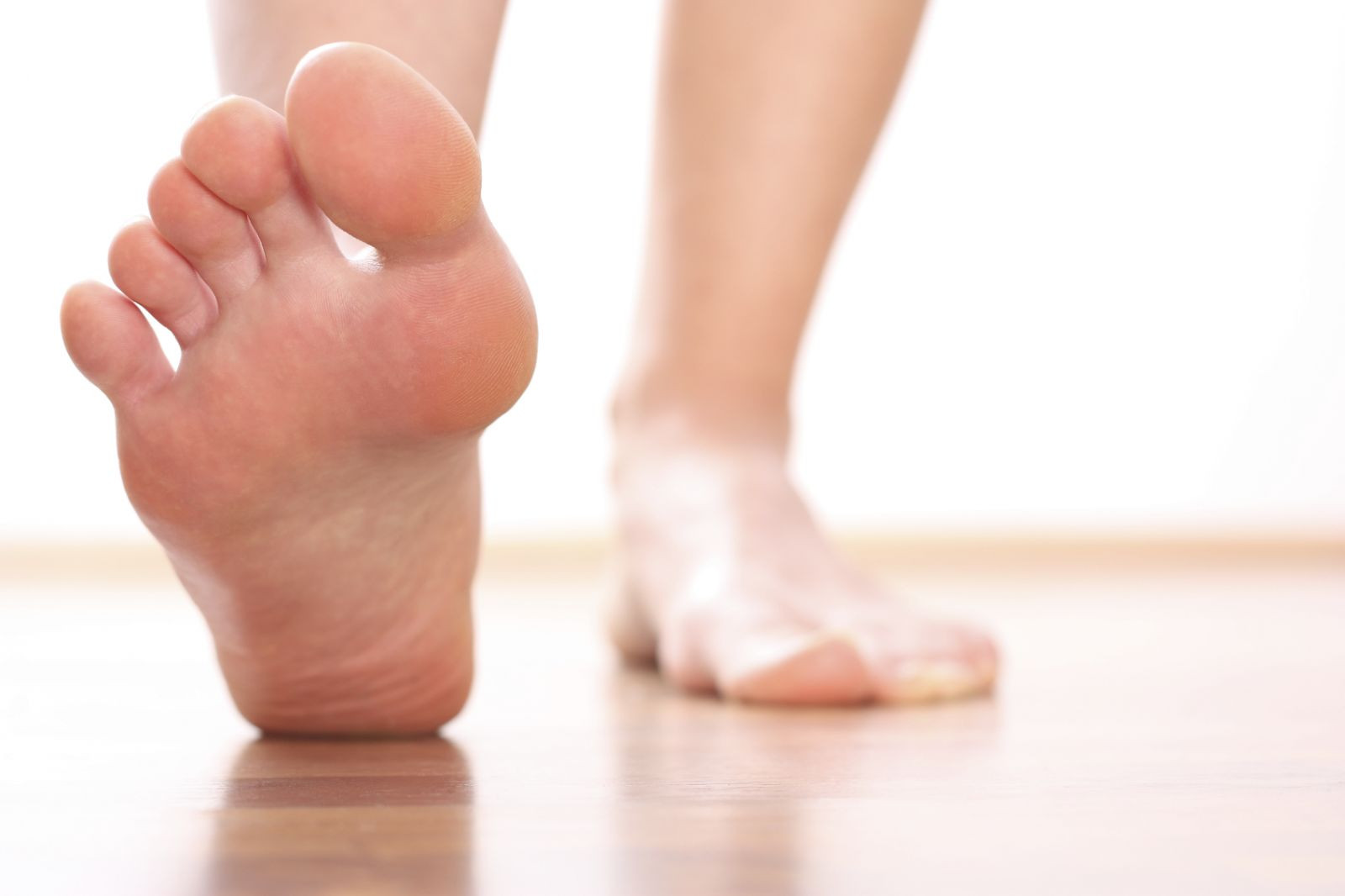

Be alert to an increasingly common threat - tick-borne illnesses
Ticks are an increasingly common source of illness, especially in the summer months. While these illnesses used to be common only in certain areas of the country, today more people across the United States are at risk. These conditions typically produce nonspecific symptoms such as fever, headache, and joint pain, and are treated using antibiotics.

A bird flu primer: What to know and do
A bird flu strain that began circulating in 2020 continues to evolve globally and locally within the United States. If you're wondering what this means, understanding the basics - what bird flu is, how it spreads, whether foods are safe, and prevention tips - can help.
CoQ10: Should you take this popular supplement if you're on a statin?
Oat vs. dairy milk: Nutrition, benefits, and downsides
Microplastics: A hidden health threat?
Healing after food poisoning
What is tempeh? Benefits, nutrition, and how to use it
Light exposure at night may raise risk for heart disease
Whole grains may improve several heart risk factors at once
A lumbar belt may help ease low back pain
Children of centenarians may stay healthier and live longer too, study finds
Signs of pneumonia: Sometimes vague and unexpected
Free Healthbeat Signup
Get the latest in health news delivered to your inbox!
Sign Up
