

CoQ10: Should you take this popular supplement if you're on a statin?

Oat vs. dairy milk: Nutrition, benefits, and downsides

Microplastics: A hidden health threat?

Healing after food poisoning

What is tempeh? Benefits, nutrition, and how to use it

Light exposure at night may raise risk for heart disease

Whole grains may improve several heart risk factors at once

A lumbar belt may help ease low back pain

Children of centenarians may stay healthier and live longer too, study finds

Signs of pneumonia: Sometimes vague and unexpected
Osteoporosis Archive
Articles
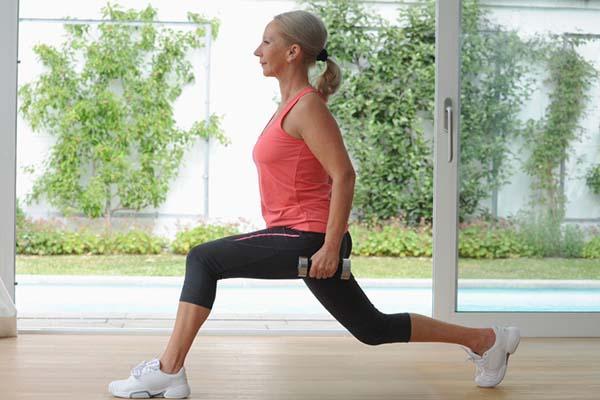
Are lunges safe for older adults?
An exercise routine that targets muscles in the legs and buttocks can help build the strength and stability that are essential for daily functioning. Lunges are an excellent exercise for this. Older adults can do them safely if they have sufficient leg strength to do the exercise correctly. For those who lack the necessary strength, modified versions can be done until it's possible to gradually work up to doing the full lunge. Once that is mastered, more advanced versions include the side lunge and walking lunge. Holding weights can increase the challenge.
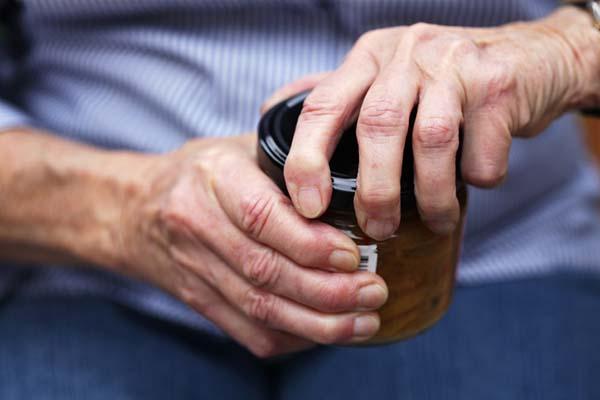
Get a grip: How to manage thumb arthritis
Arthritis in the joint at the base of thumb (the carpometacarpal joint) can cause pain, weakness, and instability. It can seriously impair the ability to function. Thumb arthritis is diagnosed with a physical examination and x-rays. It can be managed with occupational therapy, which includes learning optimal hand positions and exercises and wearing a hand splint. Pain relief options include heat, pain medications, and cortisone injections. If these are inadequate or the condition is severe, surgery is an option.

Surgery may have an edge over injections for carpal tunnel syndrome
A 2025 randomized trial of people with carpal tunnel syndrome found that 57% of those who had surgery as a first-line treatment recovered within 18 months, without additional treatments, compared with 13% of people who received steroid injections instead.
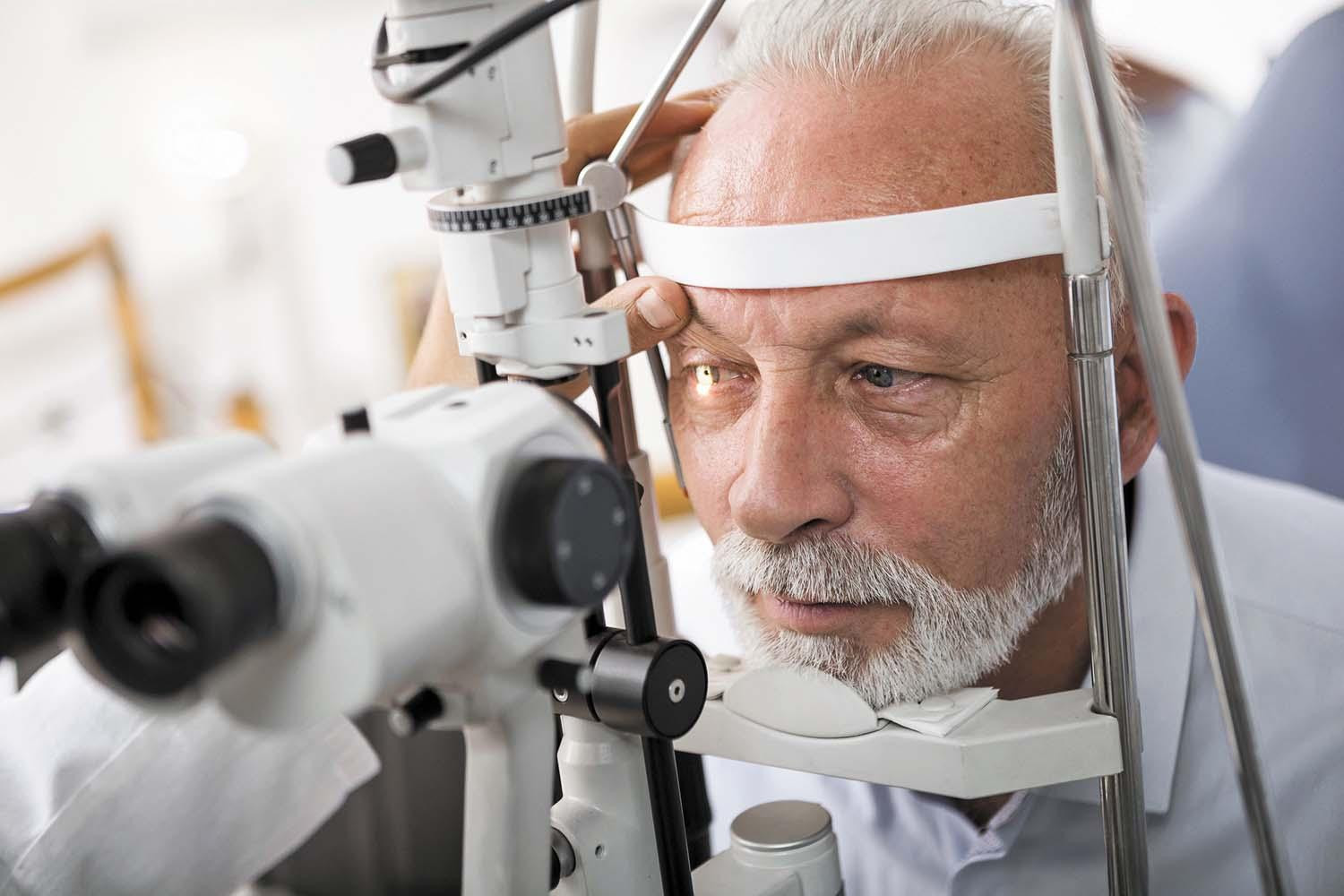
An emerging trend for cataract surgery
Same-day bilateral cataract surgery removes cataracts in both eyes in one surgical session, instead of two surgeries that are a few weeks apart. The approach has many benefits, such as convenience, but it has risks, too. Vision clarity might not be as good as it is when the procedures are done separately. Some doctors fear that vision loss (which is a low risk for any cataract surgery) could possibly occur in both eyes at the same time.
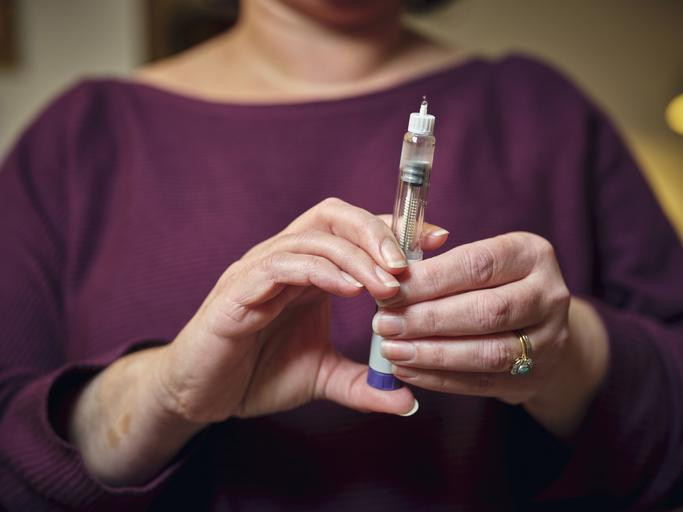
Do GLP-1 drugs reduce inflammation?
In a 2025 study of nearly a million people with diabetes, those who took GLP-1 drugs had a reduction of 10% to 20% in heart failure, cardiac arrest, lung failure and pneumonia, and dementia, compared with people who took other diabetes medications.
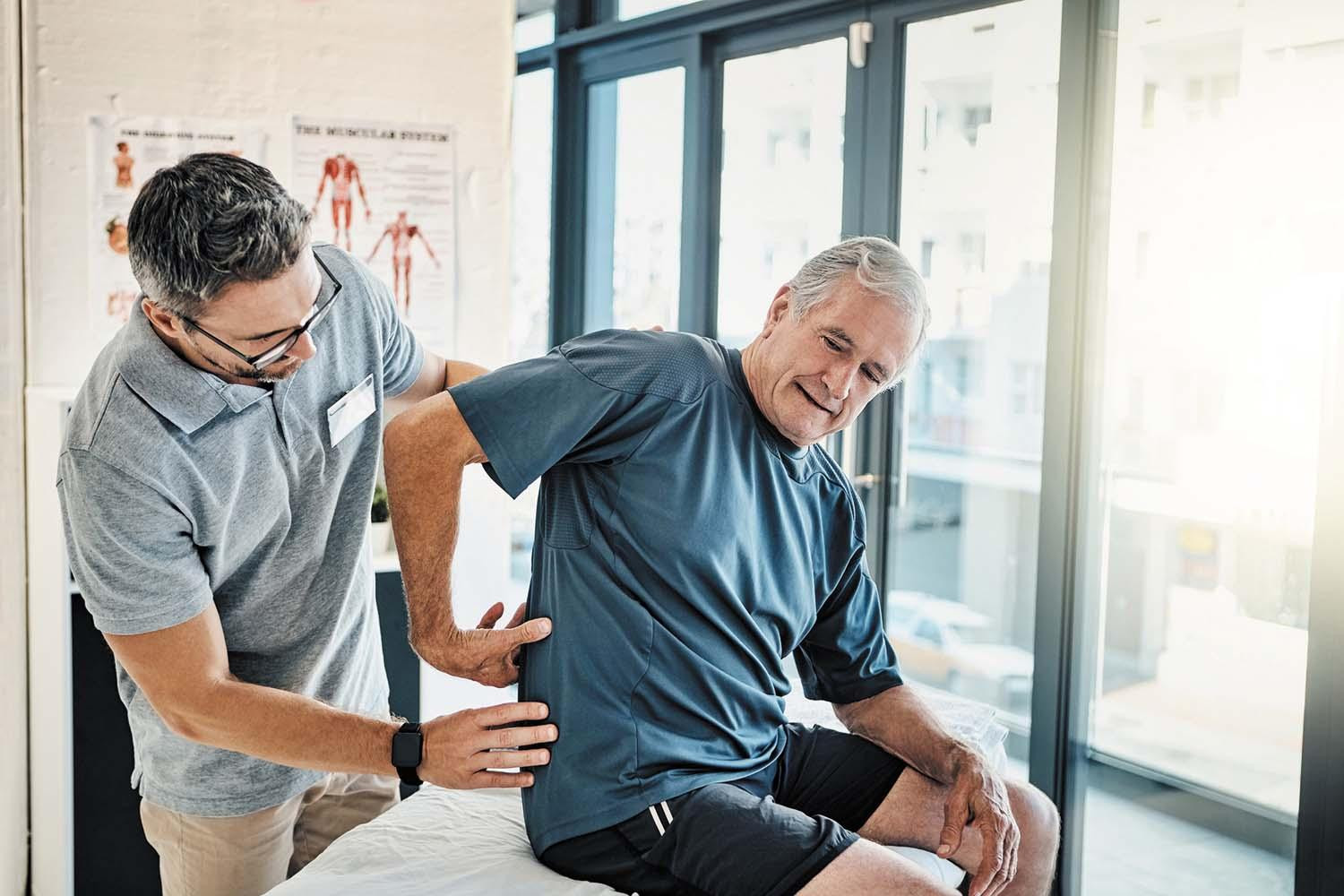
Managing chronic back pain
Chronic back pain (pain that lasts more than 12 weeks) can be more challenging to diagnose and treat compared to short-term pain from an injury. The first-line approach is conservative treatment, such as over-the-counter pain medication, physical therapy, and lifestyle changes. However, sometimes these are not enough, and advanced methods are needed. Depending on the source of chronic back pain, these can include stronger prescription medication, corticosteroid injections, and surgery.
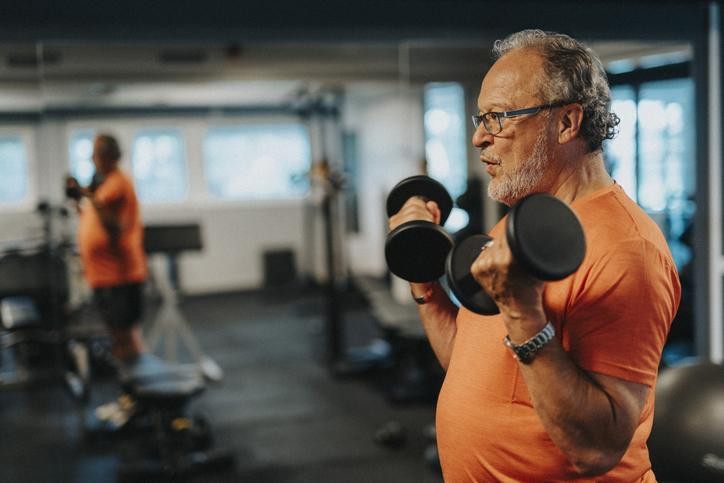
Exercising 150 minutes per week could help reverse prediabetes
People with prediabetes may be able to reduce their risk of developing type 2 diabetes with 150 minutes of moderate-intensity exercise per week, says a 2025 study. Exercise can help lower blood sugar and excess weight, the main risk factors for progression of prediabetes to type 2 diabetes.
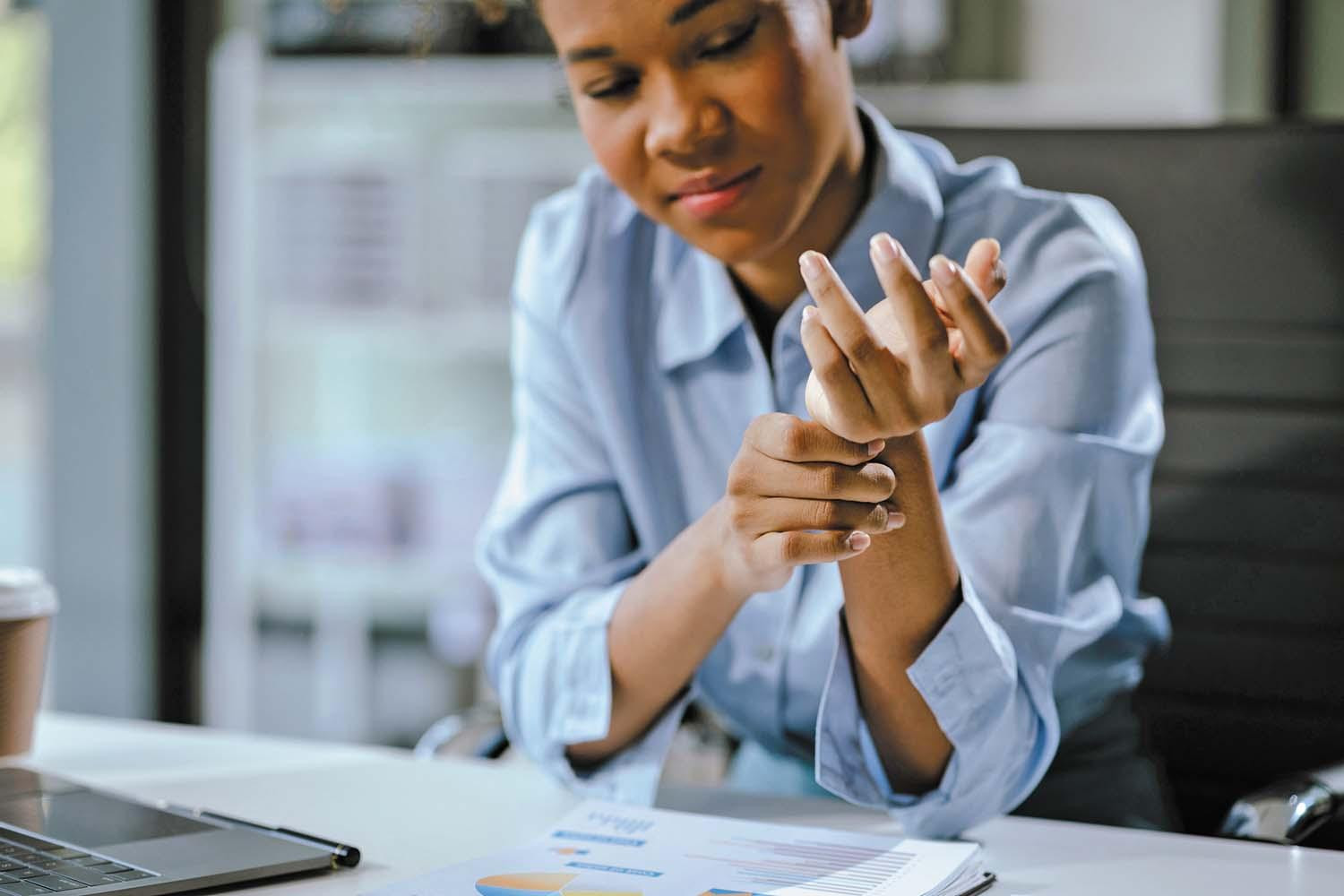
Is it normal for my joints to click?
There are many normal reasons people's joints make clicking, popping, cracking, or other noises. Joints are also more likely to make noise when people stay still for long periods. Pain or swelling with joint noise should prompt people to see a doctor.

What the sitting-rising test says about your health
The sitting-rising test gauges how easily people can rise to their feet from sitting on the floor, using as little support as possible. A 2025 study suggested the test may help predict someone's longevity. People who scored the lowest were nearly four times more likely to die of natural causes and six times more likely to die of cardiovascular causes than participants who scored a perfect 10 on the test. The movement requires strength, coordination, balance, and flexibility. These components of fitness tend to drop off more precipitously in women as we age.
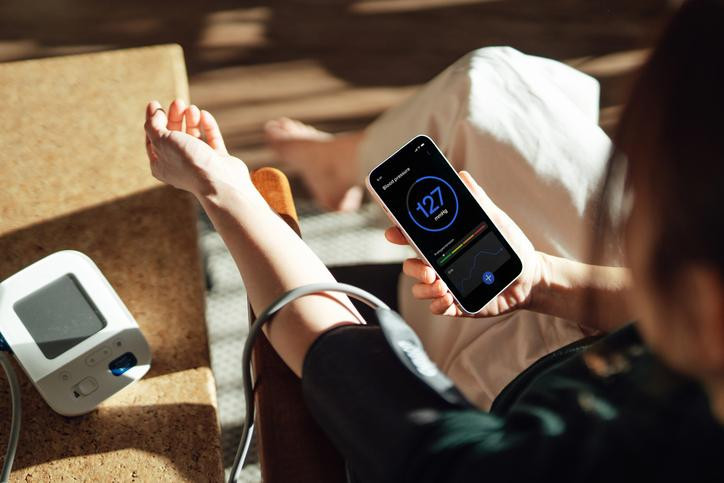
For people with high blood pressure, controlling risk factors could mean a longer life
People with high blood pressure typically die earlier than people without the condition. A 2025 study suggests that they can significantly lower-or even eliminate-that difference by controlling several key risk factors.
CoQ10: Should you take this popular supplement if you're on a statin?
Oat vs. dairy milk: Nutrition, benefits, and downsides
Microplastics: A hidden health threat?
Healing after food poisoning
What is tempeh? Benefits, nutrition, and how to use it
Light exposure at night may raise risk for heart disease
Whole grains may improve several heart risk factors at once
A lumbar belt may help ease low back pain
Children of centenarians may stay healthier and live longer too, study finds
Signs of pneumonia: Sometimes vague and unexpected
Free Healthbeat Signup
Get the latest in health news delivered to your inbox!
Sign Up
