

CoQ10: Should you take this popular supplement if you're on a statin?

Oat vs. dairy milk: Nutrition, benefits, and downsides

Microplastics: A hidden health threat?

Healing after food poisoning

What is tempeh? Benefits, nutrition, and how to use it

Light exposure at night may raise risk for heart disease

Whole grains may improve several heart risk factors at once

A lumbar belt may help ease low back pain

Children of centenarians may stay healthier and live longer too, study finds

Signs of pneumonia: Sometimes vague and unexpected
Osteoporosis Archive
Articles
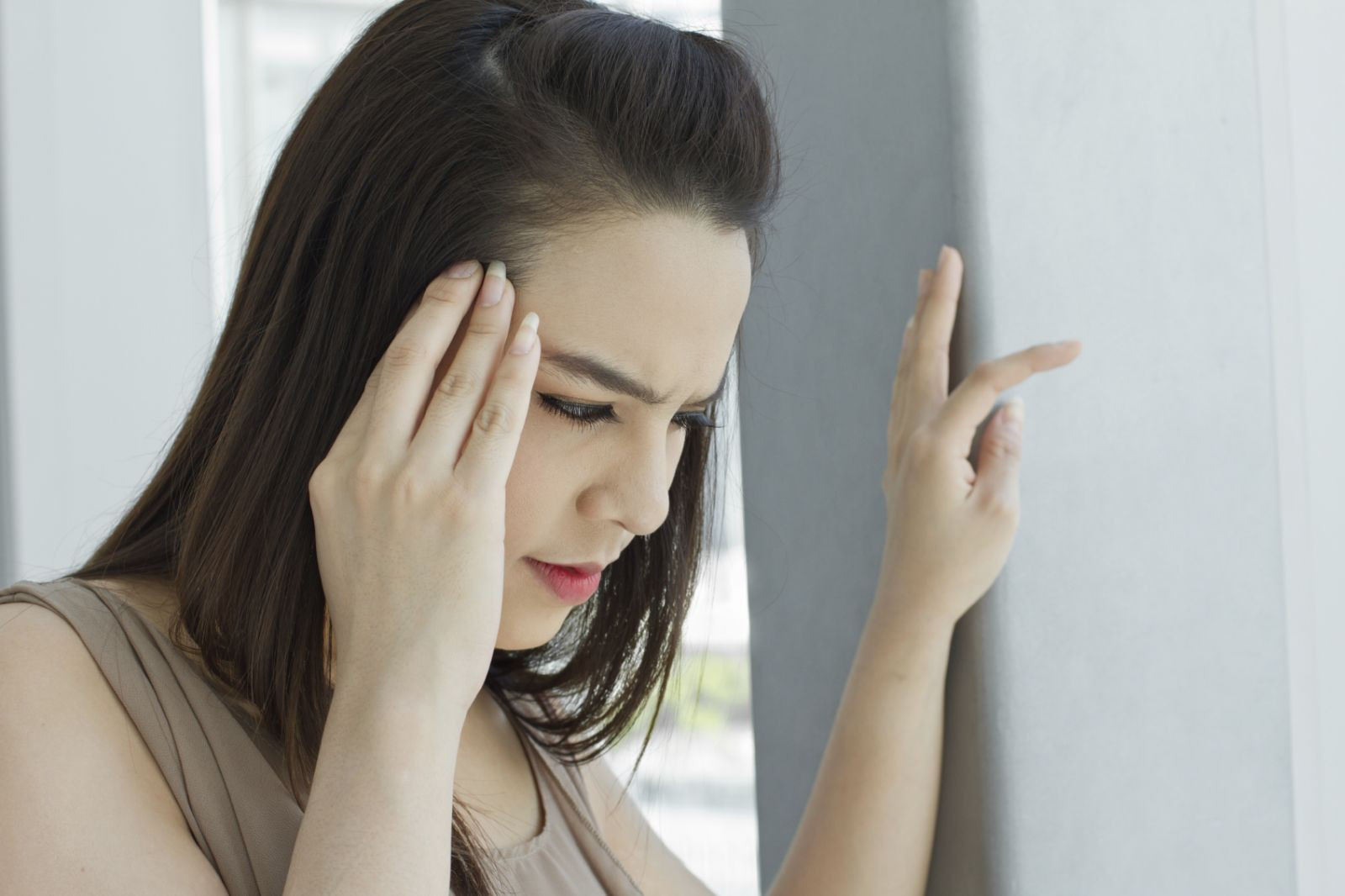
Lightheaded? Top 5 reasons you might feel woozy
Lightheadedness is a feeling of wooziness or faintness. It is commonly caused by dehydration, drug side effects, blood pressure drops, low blood sugar, heart disease, or stroke.


Diabetes remission may lower risk of kidney disease and heart disease
People who lose weight with a portion-controlled diet and exercise may be able to reverse their diabetes. When that happens, their risk of heart disease and kidney disease declines, according to a 2024 study.

Soleful aging
Like the rest of the body, the feet are vulnerable to the effects of aging. Women may be more susceptible to certain foot conditions due to hormone fluctuations during pregnancy and a higher incidence of decreased bone density with aging. But everyone's soft tissues become less elastic, making foot problems more likely. Foot conditions that can develop or worsen with age include stress fractures, plantar fasciitis, bunions, flat feet, and osteoarthritis. Simple measures, such as resting the feet and wearing supportive shoes, can help ease pain.

The wide-ranging effects of psoriasis
Psoriasis causes skin cells to multiply far faster than normal, leading to scaly, itchy, painful skin plaques. While treatments have vastly expanded, stigma surrounding psoriasis persists. Skin lesions can affect what people wear, what they do, and how they relate to others. To better cope, people with psoriasis can get family members involved in care and treatment decisions, see a dermatologist for more advanced therapies, revisit which treatments may work for them, and connect with others with the disease.

What is sepsis?
Sepsis is the immune system's overwhelming response to infection. It can lead to a dramatic drop in blood pressure that damages vital organs and causes death. Sepsis risk factors include older age, recent surgery, chronic illness, artificial joints, or a suppressed immune system.

Three eye diseases linked to a higher risk of falls
According to a 2024 study, older adults with cataracts, age-related macular degeneration, or glaucoma are more likely to suffer falls compared with those without these eye diseases.

Get ready for allergy season
Allergy season runs from around March through October. Tree pollen dominates in spring, grass in summer, and ragweed in late summer and early fall. In people with an allergy, pollen exposure can trigger the hallmark allergy symptoms: sneezing, watery eyes, stuffiness, scratchy throat, wheezing, and coughing. There are many ways to manage allergy symptoms, such as using over-the-counter medication, taking allergy shots or oral immunotherapy to help the immune system better tolerate allergens, and reducing one's exposure to pollen.

The worst headache of your life
At any given time, up to 15 million people in the United States are believed to have brain aneurysms. Most of the time, brain aneurysms don't cause any problems. However, they do rupture in about 30,000 people each year. When an aneurysm leaks or bursts, it increases pressure in the skull, causing damage, swelling, fluid buildup, and sudden, severe head pain unlike any other headache. It's a life-threatening medical emergency and needs to be investigated at an emergency department immediately.

Could this diet ward off COVID?
In a 2024 study, people who reported eating plant-based diets were 39% less likely to have had COVID-19, compared with people who said they were meat eaters.
CoQ10: Should you take this popular supplement if you're on a statin?
Oat vs. dairy milk: Nutrition, benefits, and downsides
Microplastics: A hidden health threat?
Healing after food poisoning
What is tempeh? Benefits, nutrition, and how to use it
Light exposure at night may raise risk for heart disease
Whole grains may improve several heart risk factors at once
A lumbar belt may help ease low back pain
Children of centenarians may stay healthier and live longer too, study finds
Signs of pneumonia: Sometimes vague and unexpected
Free Healthbeat Signup
Get the latest in health news delivered to your inbox!
Sign Up
