

Signs of pneumonia: Sometimes vague and unexpected

Using a vibration plate: What it can — and can't — do for your body

The surprising link between ovarian cancer and the fallopian tubes

People who walk more or walk faster live longer, study finds

For sleep apnea, a dental device may be as effective as CPAP

Rosacea treatments: What works?

Carb cycling: What is it, and does it work?

Salmonella, E. coli, Cyclospora, and other germs that cause food poisoning: What you need to know

Melatonin or magnesium: Can either supplement help you sleep?

Understanding orthorexia: Have your healthy eating goals gone too far?
Osteoarthritis Archive
Articles
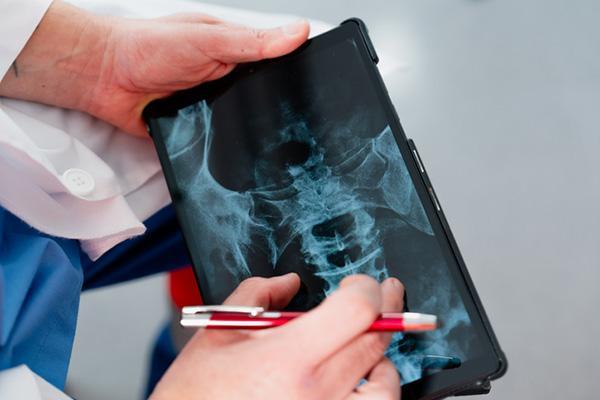
What causes a vertebra to slip backward?
Retrolisthesis may appear on an x-ray with or without symptoms. Explore what can cause this spinal change and how doctors approach treatment
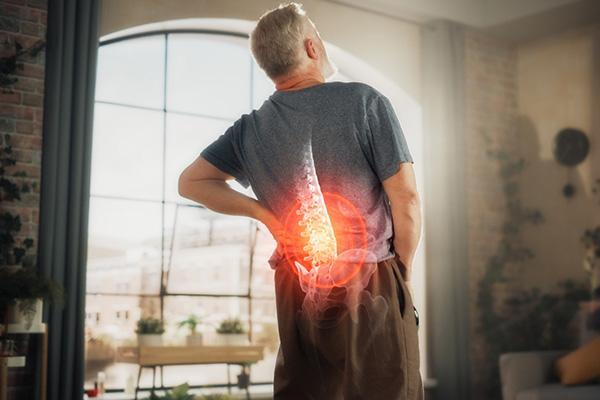
What treatments can help cervical spinal stenosis?
Cervical spinal stenosis can cause pain, numbness, and balance problems. Explore treatment choices and symptoms that may signal a more serious issue
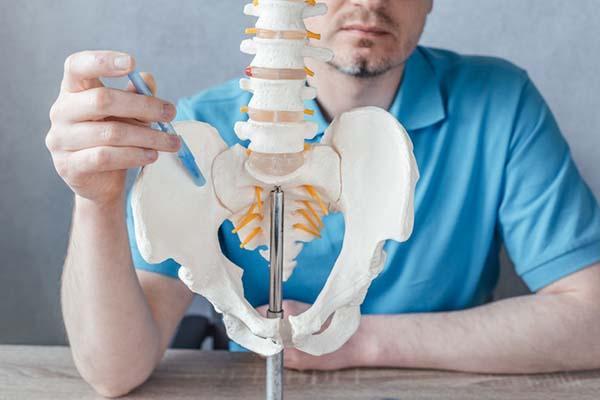
Sacroiliac joint pain: Causes, symptoms, and exercises that help
Sacroiliac joint pain is felt in the lower back and buttocks, usually on one side of the body. The cause is often not known. Common treatments include physical therapy, bracing, steroid injections, and radiofrequency ablation.

What causes knee pain: How doctors make a diagnosis
Knee pain has many possible causes, including osteoarthritis, meniscus tears, tendon problems, and ligament injuries. Doctors make a diagnosis with targeted questions, a physical examination, and possibly imaging studies. Treatment depends on the diagnosis but often includes medication, physical therapy, and exercise.
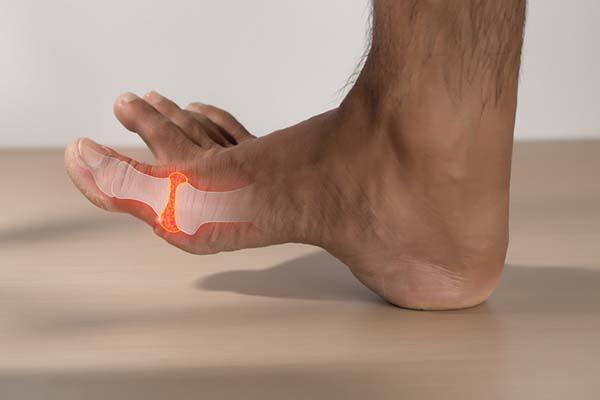
Gout and heart disease: What's the connection?
Many people with gout are at increased risk for heart disease, possibly due to shared risk factors and the effects of chronic inflammation on the heart and blood vessels. Medication to treat gout, along with dietary changes and regular physical activity, can lower risks.
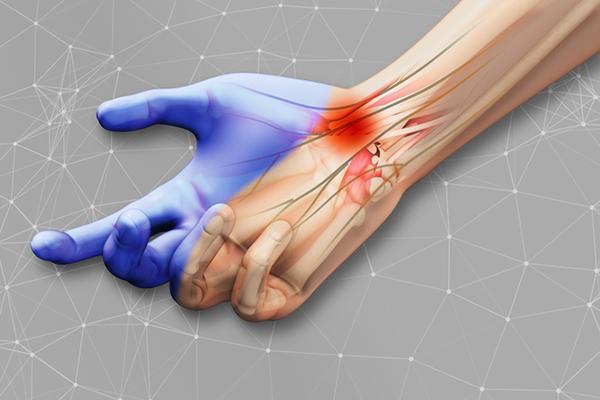
What's the best treatment for carpal tunnel syndrome?
Carpal tunnel syndrome, caused by compression of the median nerve in the wrist, is felt as numbness, tingling, and burning in the fingers, often at night. Early treatment with a wrist splint, ergonomic changes to keep the wrist in a straight position, and exercises can alleviate symptoms.
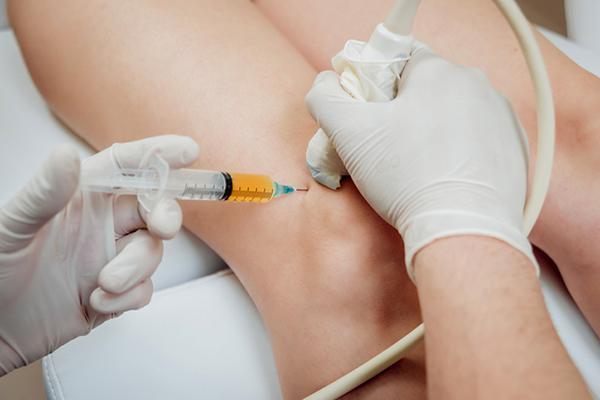
PRP injection for knee osteoarthritis: Does it work?
Platelet-rich plasma (PRP) injections use concentrated platelets from your blood to treat mild to moderate knee osteoarthritis. Research and guidelines support the use of PRP injections when pain and other symptoms persist despite exercise, physical therapy, and use of pain medications.
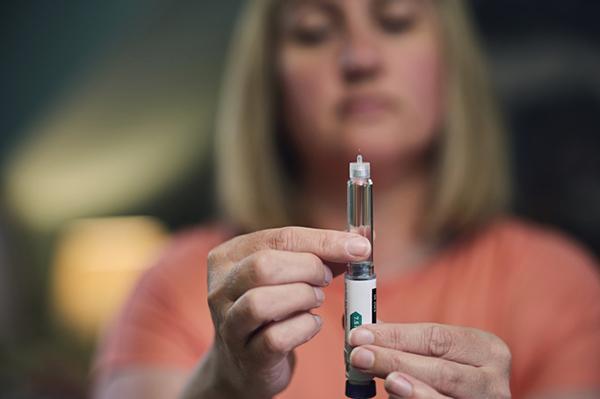
GLP-1 weight-loss drugs may lower the need for knee replacement
GLP-1 drugs, such as semaglutide and tirzepatide, used for diabetes and weight loss, may also reduce knee osteoarthritis pain and delay knee replacement surgery. In a large 2026 study, the use of any GLP-1 was linked to a reduced likelihood of knee replacement over eight years.
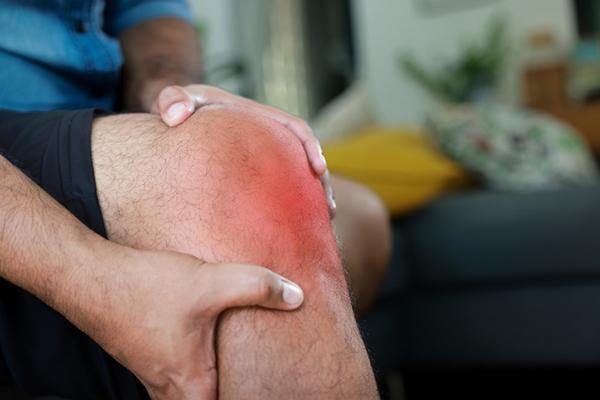
When arthritis is related to Lyme disease
Lyme disease, transmitted by deer ticks, may not be detected early on. If left untreated, the infection can lead to Lyme arthritis, marked by joint swelling, often in the knee. Most cases respond to antibiotics, though some require additional treatment.
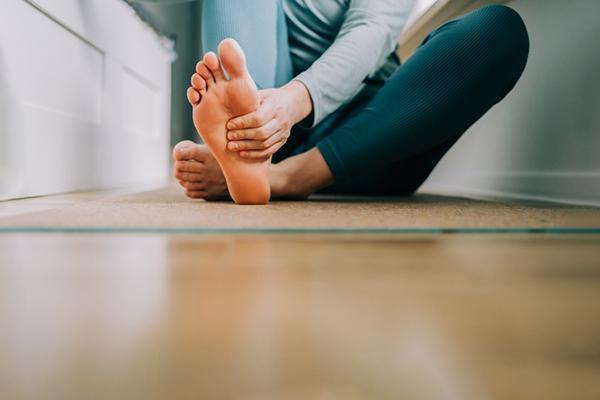
What is tarsal tunnel syndrome?
Tarsal tunnel syndrome is a nerve disease most often caused by compression, inflammation, or irritation of the tibial nerve inside the ankle. Symptoms include burning, tingling, and numbness in the foot. It may result from flat feet, injury, or swelling. Standard treatment involves physical therapy and shoes or orthotics with arch support.
Signs of pneumonia: Sometimes vague and unexpected
Using a vibration plate: What it can — and can't — do for your body
The surprising link between ovarian cancer and the fallopian tubes
People who walk more or walk faster live longer, study finds
For sleep apnea, a dental device may be as effective as CPAP
Rosacea treatments: What works?
Carb cycling: What is it, and does it work?
Salmonella, E. coli, Cyclospora, and other germs that cause food poisoning: What you need to know
Melatonin or magnesium: Can either supplement help you sleep?
Understanding orthorexia: Have your healthy eating goals gone too far?
Free Healthbeat Signup
Get the latest in health news delivered to your inbox!
Sign Up
