

Reading the current blood pressure guidelines

Oat vs. dairy milk: Nutrition, benefits, and downsides

Microplastics: A hidden health threat?

Healing after food poisoning

What is tempeh? Benefits, nutrition, and how to use it

Light exposure at night may raise risk for heart disease

Whole grains may improve several heart risk factors at once

A lumbar belt may help ease low back pain

Children of centenarians may stay healthier and live longer too, study finds

Signs of pneumonia: Sometimes vague and unexpected
Mind & Mood Archive
Articles

Depression tied to risky driving in older adults
A 2024 study indicated that adults 65 and older with major depression are more likely to exhibit risky driving behaviors such as speeding, hard braking, and hard cornering.
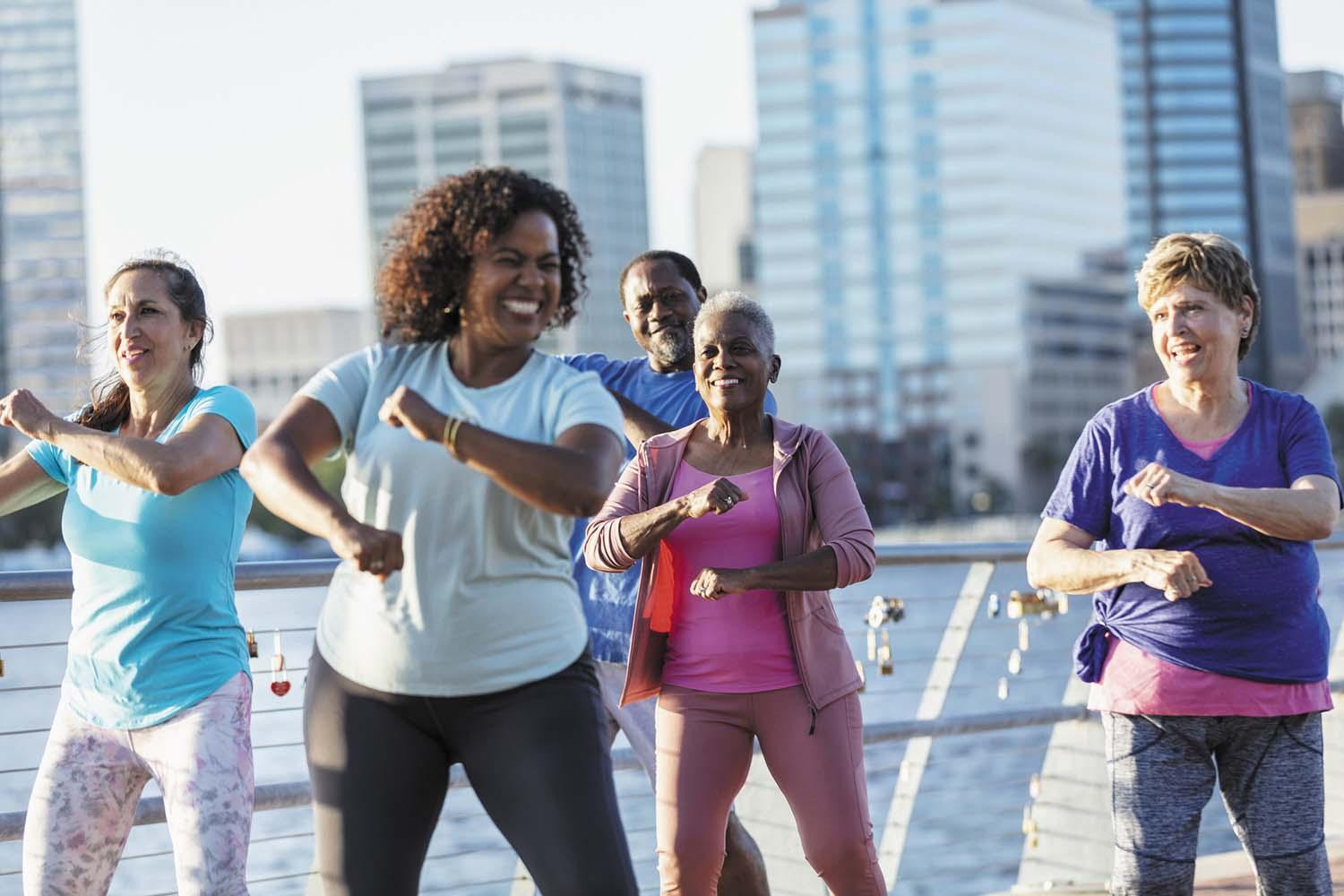
Twist, turn, tone
Dancing is a popular leisure activity. Evidence suggests dance boasts all the same benefits as other forms of consistent aerobic exercise: lowering blood pressure, building muscle and bone, increasing aerobic capacity, reducing anxiety, and improving depression symptoms. Dance can also counter loneliness and isolation and be easier to stick with than exercise that's more repetitive. People who want to try dance can frame it as a hobby instead of exercise, take a group class, and modify dance movements to accommodate pain or limited mobility.

Cold plunges: Healthy or harmful for your heart?
The purported health benefits of cold plunges include less stress, better sleep, and enhanced immunity, but the evidence is thin. While the practice may ease muscle soreness after intense exercise, it may have detrimental effects on gains in muscle power and strength. Because the shock of cold water on the skin can raise heart rate and blood pressure, people with cardiovascular disease (especially heart rhythm abnormalities) should avoid the practice.


Two jobs may lower the odds of dying from Alzheimer's disease - but why?
Researchers have found that the risk of death due to Alzheimer's disease is markedly lower in taxi and ambulance drivers compared with hundreds of other occupations. And the reason could be that these drivers develop certain structural changes in their brains as they work.

Processed red meat linked to higher risk of dementia
A 2025 study suggested that people who eat higher amounts of processed red meat may be more likely to develop dementia than people who eat very little of it.

Harvard scientists: Red meat tied to increased dementia risk
In a 2025 Harvard study of more than 133,000 people followed for four decades, those who ate the most red meat each day (a quarter-serving or more) had a 13% higher risk of developing dementia later in life, compared with people who ate the least.

Staying socially active linked to delayed dementia diagnosis
In a 2025 study of about 2,000 people (average age 80) who were followed for seven years, about a third developed dementia or mild cognitive impairment. Being socially active seemed to delay that diagnosis for about five years.

Can an orange a day keep depression away?
A 2024 study of more than 32,000 depression-free women who were followed for 14 years found that those who ate the most weekly servings of citrus (six or more) had a 22% lower risk for developing depression, compared with those who ate the least citrus.

Can a routine vaccine prevent dementia?
It's fairly common for a medical treatment to cause side effects - but far more rarely, a side effect provides an unexpected benefit. This might be the case for the shingles vaccine, as evidence is mounting that it might also reduce the risk of dementia.
Reading the current blood pressure guidelines
Oat vs. dairy milk: Nutrition, benefits, and downsides
Microplastics: A hidden health threat?
Healing after food poisoning
What is tempeh? Benefits, nutrition, and how to use it
Light exposure at night may raise risk for heart disease
Whole grains may improve several heart risk factors at once
A lumbar belt may help ease low back pain
Children of centenarians may stay healthier and live longer too, study finds
Signs of pneumonia: Sometimes vague and unexpected
Free Healthbeat Signup
Get the latest in health news delivered to your inbox!
Sign Up
