

CoQ10: Should you take this popular supplement if you're on a statin?

Oat vs. dairy milk: Nutrition, benefits, and downsides

Microplastics: A hidden health threat?

Healing after food poisoning

What is tempeh? Benefits, nutrition, and how to use it

Light exposure at night may raise risk for heart disease

Whole grains may improve several heart risk factors at once

A lumbar belt may help ease low back pain

Children of centenarians may stay healthier and live longer too, study finds

Signs of pneumonia: Sometimes vague and unexpected
Men's Health Archive
Articles
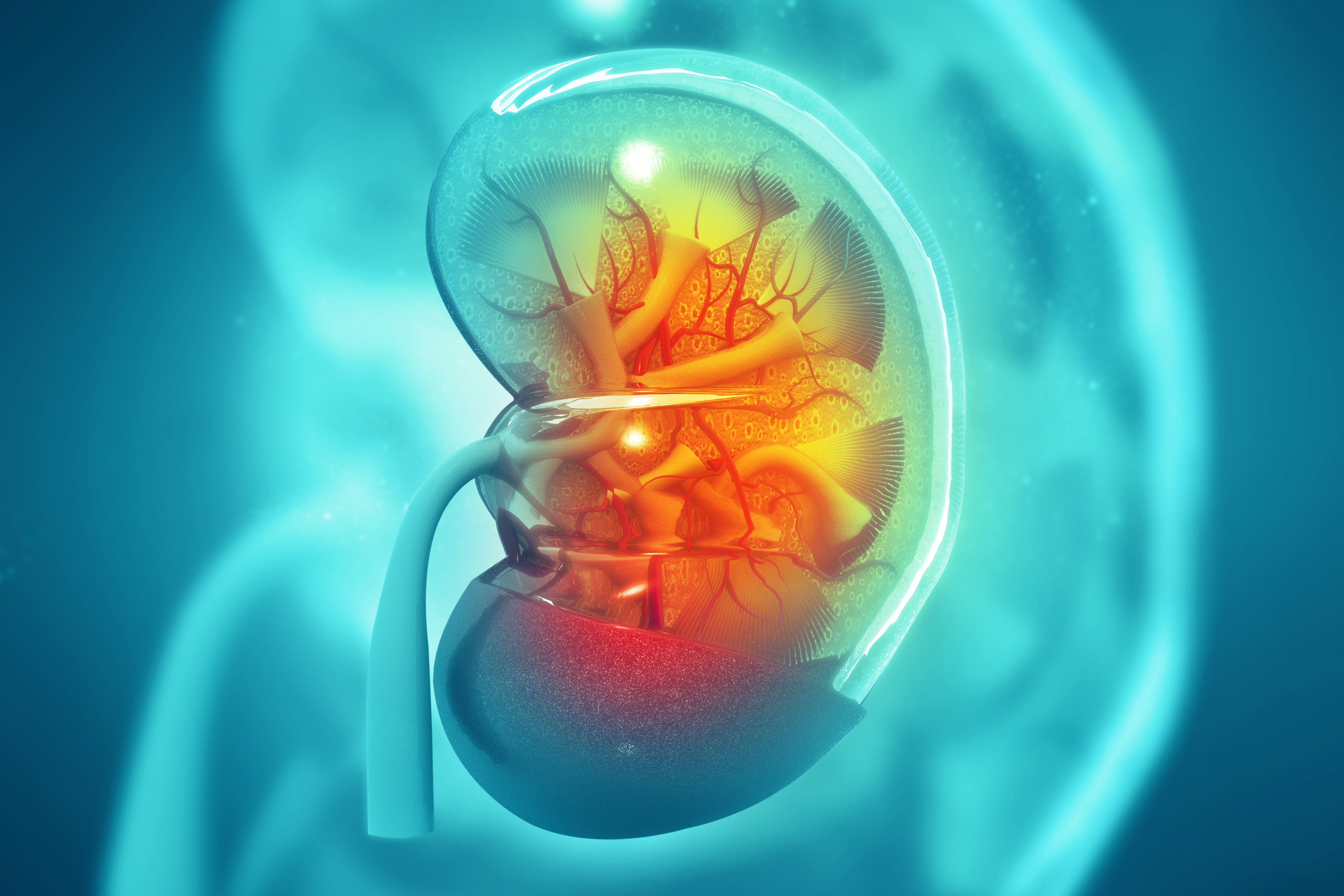
Kidney stones: What are your treatment options?
There are several treatment options for kidney stones. Which is best for you may depend on size and number of stones and their location in the kidney. Imaging and blood tests can help your doctor determine the right course of treatment.

10,000 steps a day — or fewer?
If you’re trying to take 10,000 steps a day, it can be discouraging to miss that well-known target. But why is 10,000 steps the goal? And is it really necessary to take that many steps every day?

Can a man with abnormal PSA and a negative diagnostic MRI avoid a prostate biopsy? It’s debatable
Not long ago, an abnormal PSA reading would be followed right away by a standard biopsy to search for potential cancer in the prostate. During such a procedure, doctors take 10 to 12 samples of the prostate from various locations while looking at the gland with an ultrasound machine. These days, however, men with high […]
Breast disorders in men
The male breast is much smaller than its female counterpart, and it cannot produce milk. Because of this smaller size and simpler structure, breast disease is much less common in men than women. Still, men can develop important breast problems, both benign and malignant. Early detection is the key to a successful outcome, so every man should understand the basic elements of male breast disease.
Jogger's nippleIrritation of the nipple is more common than enlargement of the breast itself. Pain, redness, and even bleeding of the male nipple are fairly common complications of intense, prolonged exercise — hence the common names "jogger's" and "marathoner's" nipple. The cause is not running itself but the mechanical irritation of the runner's shirt rubbing up and down against his chest, especially in hot, humid weather. You don't have to give up running to cure jogger's nipple. Instead, apply some petroleum jelly to your nipples before you run. Plastic Band-Aids are even better; round "spots" are particularly handy. Or simply run without a shirt when it's hot or humid. |

Father’s Day: Tools for coping when celebration brings pain
While Father’s Day gets less sentimental build up than Mother’s Day, it may still bring out intense emotions for many men even if they are not parents themselves.

Marriage and men's health
Both married men and unmarried men of a certain age, may remember the tune, if not the words:
Love and marriage, love and marriage,
Go together like a horse and carriage.
This I tell you, brother,
You can't have one without the other.

Big jump in active surveillance for low-risk prostate cancer
News briefs
New findings show a dramatic increase in the number of men taking a conservative approach to low-risk prostate cancer. According to a Harvard-led study published Feb. 19, 2019, in JAMA, use of active surveillance — which involves monitoring the cancer and delaying treatment unless it progresses — almost tripled from 2010 to 2015. The data come from the records of 165,000 men with prostate cancer. Researchers found that among men with low-risk prostate cancer (slow-growing cancer that's not considered life-threatening), active surveillance jumped from 15% in 2010 to 42% in 2015, surgery fell from 47% to 31%, and radiation dropped from 38% to 27%. Other studies also have also shown increasing rates of active surveillance in low-risk cases.
Why the shift? The authors point to national guidelines that now recommend active surveillance in such cases, as well as favorable research findings. "Emerging evidence has shown that active surveillance for low-risk prostate cancer is an effective alternative to surgery or radiation, associated with similar and excellent chances at long-term survival," notes Dr. Brandon Mahal, the study's lead author and a radiation oncologist with Harvard-affiliated Dana-Farber/Brigham and Women's Cancer Center.


Can blood pressure medications interfere with my sex drive?
On call
Q. I know that erectile dysfunction can be a common side effect of blood pressure medications, but can they also lower my sex drive?
A. Sexual issues are a side effect of many medications, including ones prescribed to lower blood pressure. You're correct that erectile dysfunction (ED) is mentioned most frequently. But blood pressure medicines also can decrease sexual drive or make it more difficult to reach orgasm.
CoQ10: Should you take this popular supplement if you're on a statin?
Oat vs. dairy milk: Nutrition, benefits, and downsides
Microplastics: A hidden health threat?
Healing after food poisoning
What is tempeh? Benefits, nutrition, and how to use it
Light exposure at night may raise risk for heart disease
Whole grains may improve several heart risk factors at once
A lumbar belt may help ease low back pain
Children of centenarians may stay healthier and live longer too, study finds
Signs of pneumonia: Sometimes vague and unexpected
Free Healthbeat Signup
Get the latest in health news delivered to your inbox!
Sign Up
