

Naturally gluten-free foods

Harvard study: Healthier fats linked to longer life after prostate cancer diagnosis

Shingrix shingles vaccine linked with lower heart disease risks

Estrogen-only hormone therapy tied to lower dementia risk
Should you have a hysterectomy?

Stair climbing may significantly lower cardiovascular risks

Why do I sweat so much?

Walking pneumonia: The "mild" illness that can still pack a punch

What causes knee pain: How doctors make a diagnosis
Where you carry excess weight matters in predicting heart disease risk
Memory Archive
Articles

A green-Mediterranean diet may slow brain aging
A 2025 study suggested that following a green-Mediterranean diet - which includes walnuts, green tea, and the aquatic plant Mankai - may be linked with slower brain aging.

Several risk factors in midlife may lead to dementia
Researchers have found that high blood pressure, diabetes, and smoking had the greatest association with the likelihood of a dementia diagnosis as people age. Managing these issues could offer protection.

Try this: Light therapy
Light therapy uses light boxes that emit a bright, white light. Exposure to this light can control a person's circadian rhythm-the body's internal 24-hour sleep-wake clock-and help manage and prevent seasonal affective disorder.

Advancing age and mental health disorders
People have a 50% chance of developing at least one mental health disorder by age 75, according to some research. Among men, the most common are alcohol use disorder, depression, and anxiety disorders, with social anxiety disorder being the most prevalent of those. Many men miss the early warning signs of these disorders, or when they do, they often try to push through, which can worsen the symptoms. But identifying when they might have a problem is the first step toward seeking help.

Dogs and cats may slow cognitive decline
A 2025 study suggests that owning a dog or cat may help slow cognitive decline as people age.
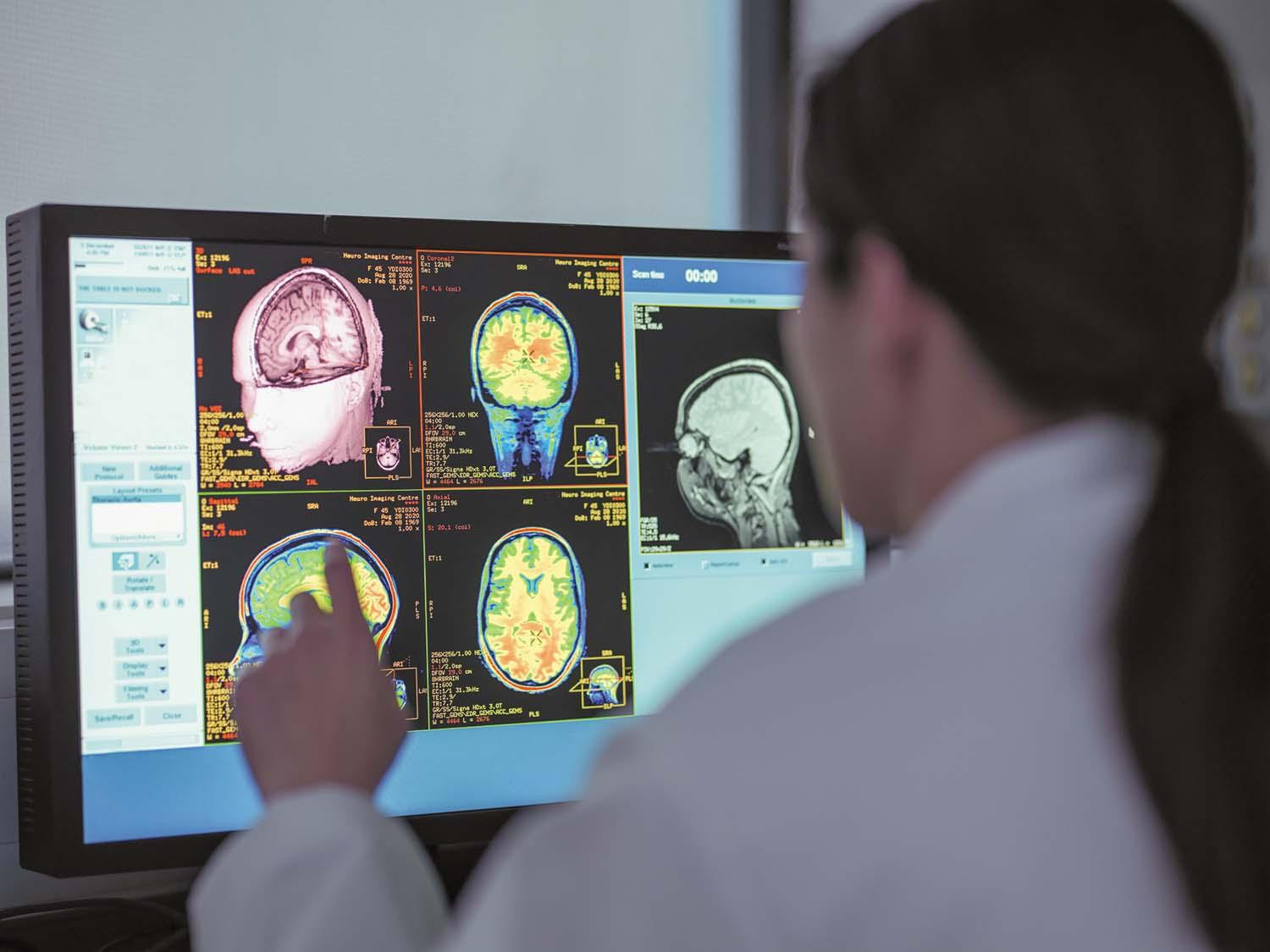
Can our brain talk to our immune system?
A 2025 study of 250 people found that the brain can tell the immune system to prepare for impending infection even before a microbe enters the body. Scientists asked volunteers to don virtual reality headsets that showed various virtual people approaching them. Some of those approaching appeared to be healthy and others appeared to be sick. Brain scans and blood tests showed that participants' brains activated their immune systems when a virtual sick person simply came near them.

Maintaining a sense of purpose in later life may protect against dementia
In a 2025 study, adults 45 and older with a strong sense of purpose were 28% less likely to develop cognitive impairment or dementia compared with individuals who had a low sense of purpose.

Chronic insomnia may raise the risk of cognitive decline
People who suffer from chronic insomnia are more likely to develop cognitive problems and score lower on thinking and memory tests compared with individuals without chronic insomnia, a 2025 study suggests.

Mediterranean diet may lower risk of Alzheimer's disease in people with high-risk genes
A 2025 study of over 5,600 women and men followed for over 30 years found that following a Mediterranean diet may reduce the risk of Alzheimer's disease and improve cognitive function. The effect is strongest in people who carry two copies of the Alzheimer's risk gene APOE4.
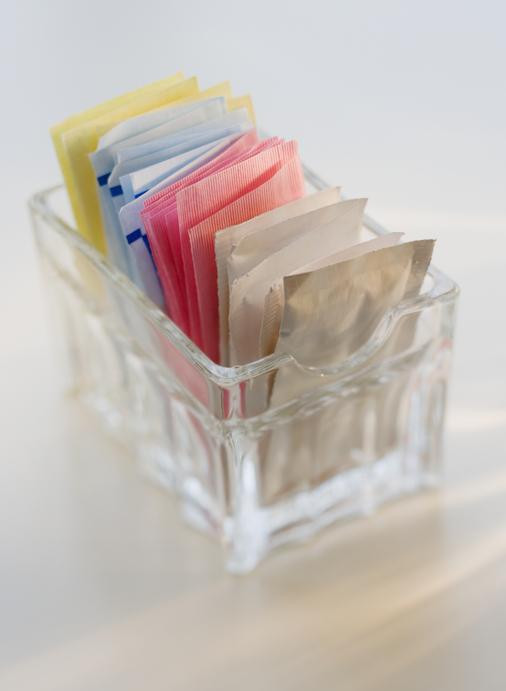
Artificial sweeteners may speed declines in memory and thinking
A 2025 study suggested that consuming larger amounts of artificial sweeteners such as aspartame and xylitol may be linked to faster declines in memory and thinking skills.
Naturally gluten-free foods
Harvard study: Healthier fats linked to longer life after prostate cancer diagnosis
Shingrix shingles vaccine linked with lower heart disease risks
Estrogen-only hormone therapy tied to lower dementia risk
Should you have a hysterectomy?
Stair climbing may significantly lower cardiovascular risks
Why do I sweat so much?
Walking pneumonia: The "mild" illness that can still pack a punch
What causes knee pain: How doctors make a diagnosis
Where you carry excess weight matters in predicting heart disease risk
Free Healthbeat Signup
Get the latest in health news delivered to your inbox!
Sign Up
