Hip bursitis vs. arthritis: How to tell the difference

Fitness for longevity: Which type matters most?

Ministrokes linked to elevated risk of dementia

Continuous glucose monitors benefit people who don't need insulin

CoQ10: Should you take this popular supplement if you're on a statin?

Microplastics: A hidden health threat?

Oat vs. dairy milk: Nutrition, benefits, and downsides

What is tempeh? Benefits, nutrition, and how to use it

Healing after food poisoning

Whole grains may improve several heart risk factors at once
Medical devices Archive
Articles

Taking aim at cancer
Image: Thinkstock
Targeted cancer therapies have limits, but some may offer a better option than standard chemotherapy.
Mention cancer treatment, and most men think of chemotherapy—complete with hair loss and extreme fatigue. But for some men, there is another option. Targeted therapies can sometimes treat certain cancers with fewer side effects and better outcomes.

Sleep apnea solutions that lower cardiovascular risks
Image: Bigstock
Devices to treat nighttime breathing problems may help lower blood pressure and reduce the harm to your heart.
Peaceful slumber is often a pipe dream for people with obstructive sleep apnea. More than 25 million Americans have this problem, in which the tongue or throat tissue temporarily blocks the airway during sleep. The resulting pauses in breathing (called apneas) lead to explosive snoring or gasping for breath—sometimes more than 30 times per hour.

Replacing an aortic valve without open-heart surgery
Image: iStock
Cardiologists expect wider use of the less-invasive technique—known as TAVR—in the near future.
The one-way valve inside your aorta opens to allow blood to surge from the heart to the rest of your body. But as you age, the valve's leaflets may stiffen and become clogged with calcium deposits, restricting blood flow. About 12% of people ages 75 or older have this condition, known as aortic stenosis. Symptoms include feeling dizzy, faint, tired, and breathless. Unless the valve is replaced, half of people with symptoms from aortic stenosis die within two years.
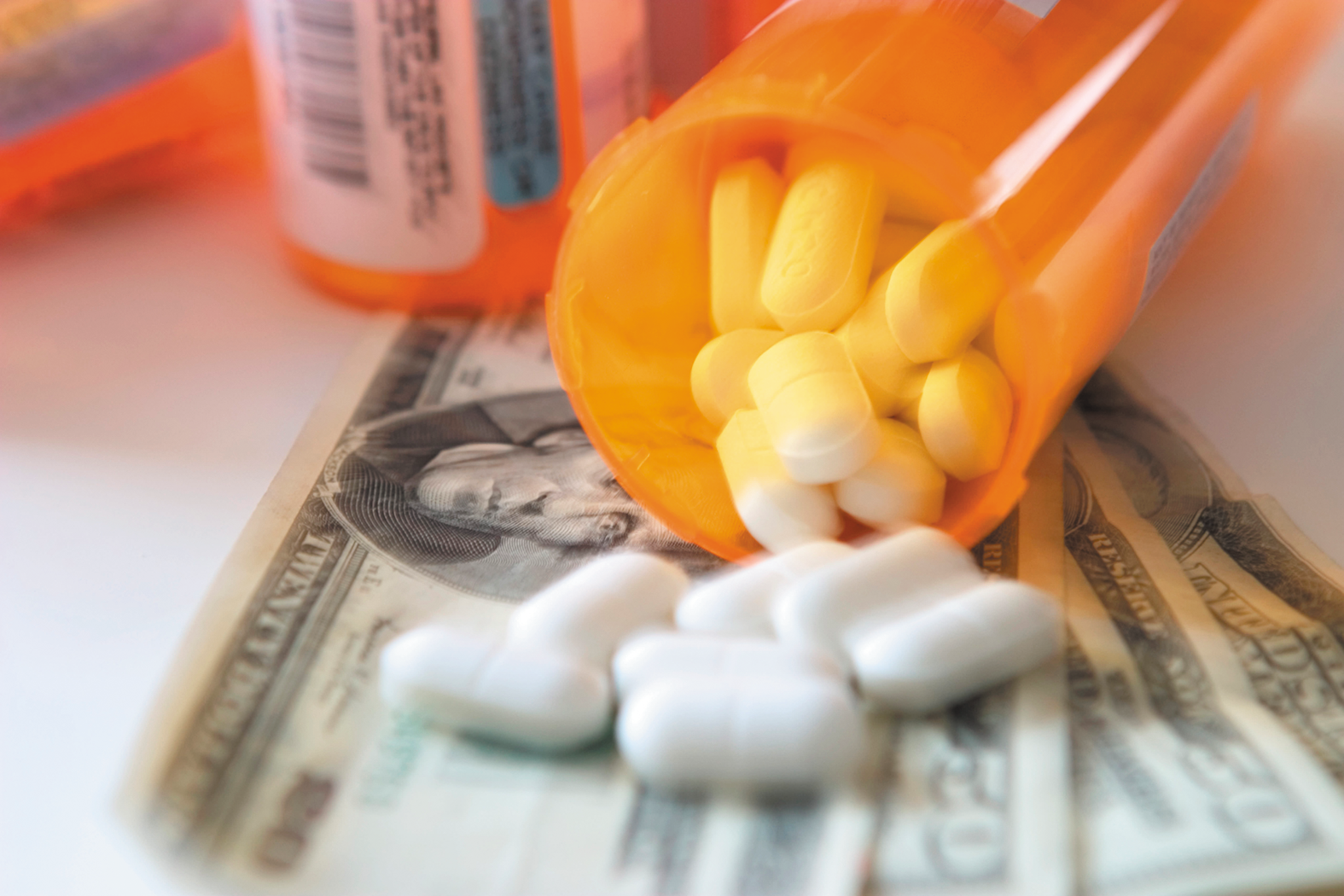
Generic or brand-name drugs?
Image: Thinkstock
Ask the doctor
Q. I would like to take generic drugs instead of brand-name drugs whenever possible, because they're cheaper. But are they really as effective?
A. First of all, generic drugs contain the exact same active ingredients as the brand-name versions. Second, in the United States, before approving a generic drug, the FDA must test it to be sure that the manufacturer has produced the same molecule, and that it achieves the same levels in the blood as the brand-name drug. Third, there have been many careful studies comparing generic drugs (once they have been approved) to their brand-name equivalents.

Has the new sexual desire drug panned out?
Image: iStock
Flibanserin is the first treatment of its kind. But it comes with a steep price tag and severe health risks.
It's now six months since the FDA approved flibanserin (Addyi), which is the first medication for sexual desire disorders. The drug was hailed as a "female Viagra," but is it living up to the hype? "It's not the solution we were hoping for," says Dr. Hope Ricciotti, editor in chief of Harvard Women's Health Watch and an associate professor of obstetrics, gynecology, and reproductive biology at Harvard Medical School.

Generics vs. brand-name drugs? Go for generics, doctors' group urges
News Briefs
New guidelines from the American College of Physicians (ACP) urge doctors to prescribe generic medications whenever possible, rather than more expensive brand-name medications. The guidelines were published online Nov. 24, 2015, in Annals of Internal Medicine. An ACP committee, led by Harvard Medical School's Dr. Niteesh Choudhry, analyzed more than 2,500 studies and found that brand-name prescription medications are more likely to be prescribed, but not filled. The committee also observed that people do a better job of sticking to a medication regimen if they take generics, since the drugs are cheaper and people are more likely to get prescriptions filled. (If you're more likely to take a medication, you're more likely to get better.) Do generics work just as well? The committee found that the vast majority of the evidence showed generic drugs are as effective as brand-name medications when it comes to health outcomes. If your doctor prescribes a brand-name medication, ask if there's a generic that will do the same job and save you money.

Low back pain attacks: One pill may be enough
Image: Thinkstock
In the Journals
Adding muscle relaxers or narcotic pain relievers to the nonsteroidal anti-inflammatory drug (NSAID) naproxen (Aleve) did not improve pain or function for people who went to emergency rooms seeking help for severe low back pain, according to a study in The Journal of the American Medical Association.
The study followed a group of 320 people who visited the same emergency room in the Bronx, N.Y. None had symptoms that would suggest disk-related back pain, like shooting pain down the back of the legs (sciatica). They were all advised to take naproxen for 10 days and were chosen at random to add one of three additional pills: the muscle relaxer cyclobenzaprine (Flexeril); ox-ycodone (Percocet), a narcotic pain reliever; or a placebo.
BPH drugs linked to small risk of falls
In the Journals
Alpha blockers, a type of medication that many men take for urinary difficulties caused by an overgrown prostate, are associated with a dangerous but very small risk of falling, according to a recent study in BMJ. This should reassure men who have heard that the drugs could cause dizziness from a sudden drop in blood pressure.
The Canadian study identified more than 147,000 men in Ontario prescribed one of three drugs: alfuzosin (Uroxatral), silodosin (Rapaflo), and tamsulosin (Flomax). Most of the men (84%) took Flomax, although all three drugs work the same way.
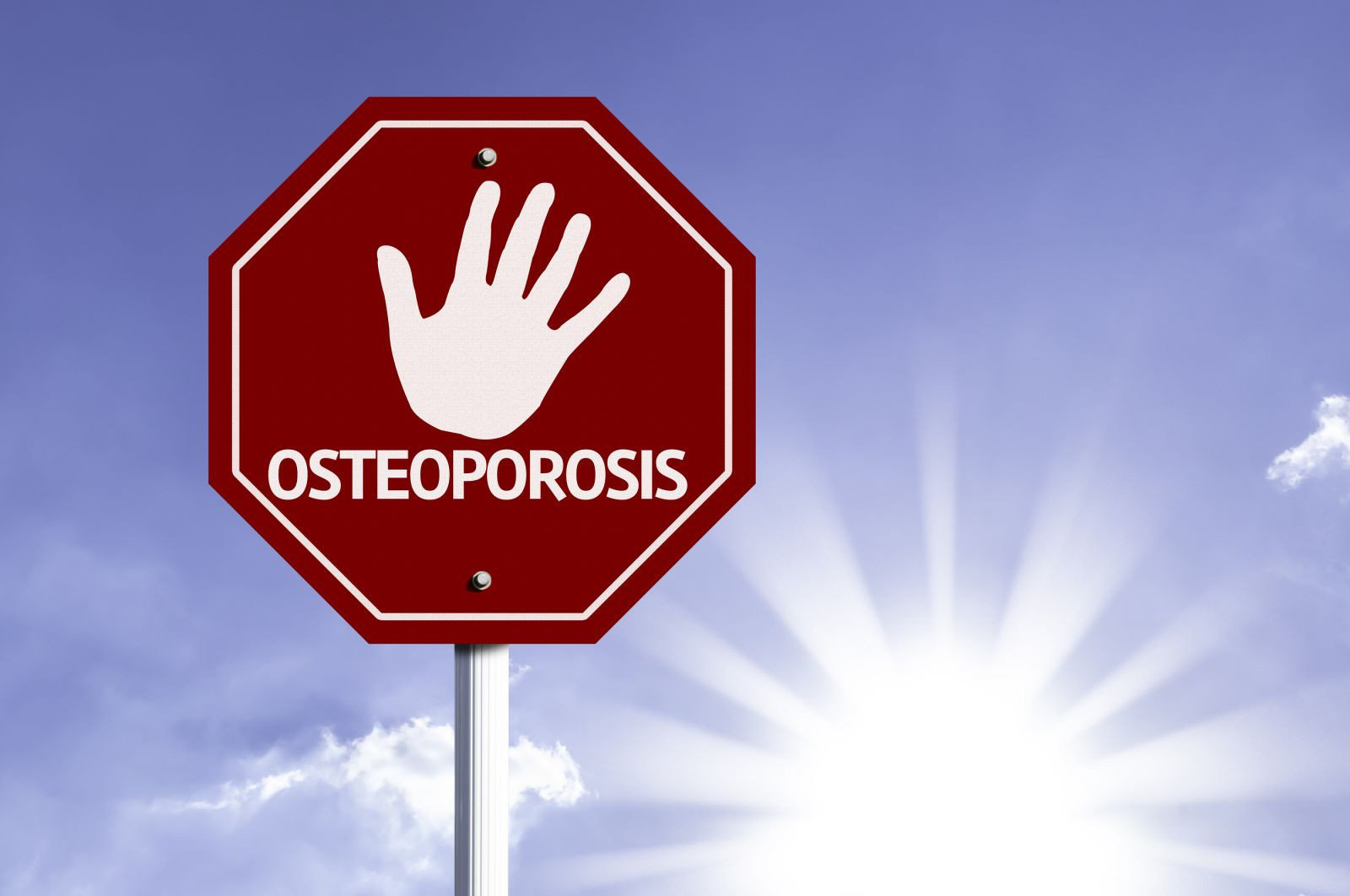
Do you need a drug for osteoporosis?
Image: Bigstock
Several medications can maintain or increase bone density. You can choose one based on your health and preferences.
Most of what we read about hip fracture isn't good. It is a major cause of disability, nursing home admissions, and death in older women. But there is a promising trend: hip fractures in the United States have been on the decline since 1996. Although better nutrition, increased physical activity, and education on fall prevention may have played a role, the drop in fractures has also coincided with the widespread availability of bisphosphonates—a class of drugs first approved in 1995 to increase bone density.

What you should know about antiviral drugs
Flu season still has a few months left, and it is not too late to get a flu shot if you have not done so already.
Image: Thinkstock
They may help reduce symptoms of the flu, but they're not for everyone.
Hip bursitis vs. arthritis: How to tell the difference
Fitness for longevity: Which type matters most?
Ministrokes linked to elevated risk of dementia
Continuous glucose monitors benefit people who don't need insulin
CoQ10: Should you take this popular supplement if you're on a statin?
Microplastics: A hidden health threat?
Oat vs. dairy milk: Nutrition, benefits, and downsides
What is tempeh? Benefits, nutrition, and how to use it
Healing after food poisoning
Whole grains may improve several heart risk factors at once
Free Healthbeat Signup
Get the latest in health news delivered to your inbox!
Sign Up