

Even a little exercise linked with lower stroke risk in people with afib

Testosterone therapy without evidence of deficiency may boost heart risk

Weight-loss drug may lower risk of heart attacks and infections

What to eat on the DASH diet

Migraine: How it's diagnosed and what that means

Tricep workouts you can do at home

Mindfulness practices to reduce stress and improve focus

Antihistamines may not offer meaningful relief from eczema symptoms

Overweight and taking blood pressure medications: Study finds it's a trend that's working

FDA approves first mRNA-based flu vaccine
Medical devices Archive
Articles

Do blood pressure drugs raise your risk of a fall?
Some research has suggested that older people who take blood pressure medications may be prone to falls, perhaps because the drugs make them dizzy or lightheaded when they stand up. But a new study in the May 2015 Hypertension found no increased risk of falls in people taking blood pressure drugs.
For the study, nearly 600 people with chronic high blood pressure reported their falls to researchers via mail-in postcards and phone calls. Almost half of the participants, whose average age was 78, reported one or more falls during the yearlong study. Neither standard nor high doses of blood pressure drugs were linked to falls. In fact, people who took two commonly prescribed types of blood pressure medications—ACE inhibitors and calcium-channel blockers—had a lower rate of falling compared with people not taking those drugs. Given the known benefits of treating high blood pressure in older people, the authors say, withholding blood pressure medication for fear of causing a fall may not make sense.

Serious side effects are uncommon after heartburn treatment
Serious health problems are uncommon after drugs or surgery to treat chronic heartburn, according to a recent study in Alimentary Pharmacology and Therapeutics. Many men take acid-reducing drugs called proton-pump inhibitors (PPIs), such as omeprazole (Prilosec, others) and lansoprazole (Prevacid), for chronic heartburn. One alternative is a surgical procedure to tighten the entrance to the stomach and prevent acidic stomach contents from backing up into the esophagus.
The new study drew on findings from two different clinical trials that tracked the health of people treated with either drugs or surgery. One trial involved about 300 people who were followed for up to 12 years; the other involved about 500 people who were followed for five years.

A pill-free way to fight insomnia
It appears that cognitive behavior therapy may help people with chronic insomnia and no underlying medical problems fall asleep faster.

Best bets for back pain
Judicious use of pain relievers can help you keep doing your usual daily activities, which aids recovery from back pain. Images: Thinkstock |
When your back is bothering you and you don't want to take prescription drugs, over-the-counter solutions and physical therapies can help relieve symptoms.
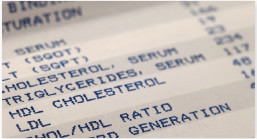
Know your triglycerides: Here's why
The level of triglycerides in the blood, like measurements of "bad" cholesterol, helps to gauge your risk for heart disease. Image: Thinkstock |
High levels of these fatty particles in the blood means you may need to step up healthy lifestyle changes.

Protect your vision from glaucoma
Early detection and proper use of eye drops are essential to preventing vision loss.
Glaucoma is a leading cause of irreversible blindness and is more common with aging. The condition affects peripheral vision at first, but eventually becomes more widespread. Treatment with daily eye drops helps to slow the process, but it's best to start early. "Glaucoma tends to be like a snowball," says Dr. Brian Song, a glaucoma specialist at Harvard-affiliated Massachusetts Eye and Ear Infirmary. "It's easier to control it early than if you wait for it to build momentum."

Ask the doctor: Safety of newer anti-clotting medications
Q. I've been taking dabigatran (Pradaxa) for atrial fibrillation for a few years and haven't had any problems. But I've seen ads on television suggesting that this drug and others like it aren't safe. What's your advice?
A. Known as novel oral anticoagulants, these drugs make the blood less likely to clot, which helps prevent strokes. Others in the class include rivaroxaban (Xarelto), apixaban (Eliquis), and edoxaban (Savaysa). They work as well as the older anti-clotting drug warfarin (Coumadin) but don't require frequent testing for clotting function and are less likely to interact with food and other drugs.

Why I'm not prescribing statins for all my patients
If you're over 75, ask your doctor whether you would benefit from taking a statin. Image: Thinkstock |
By Anne Fabiny, M.D., Editor in Chief
Every so often, medical professional organizations issue new guidelines for treating diseases, based on an accumulation of new evidence. In 2013 the American College of Cardiology and American Heart Association issued a guideline on treating blood cholesterol to reduce atherosclerotic cardiovascular disease (ASCVD) risk, using a new risk calculator (online at health.harvard.edu/heartrisk) to estimate a person's risk of developing ASCVD over the next 10 years. The guideline created a controversy because using the new risk calculator gives everyone over 75 a risk score of at least 7.5%—the threshold for prescribing statins to prevent heart disease in younger people. By that measure, everyone over the age of 75 should be on a statin!

More people are using aspirin therapy
Daily aspirin use has increased among U.S. adults, according to a survey published May 2015 in the American Journal of Preventive Medicine. The survey asked more than 2,500 people ages 45 to 75 about their current aspirin use. The overall use was 52%, up from 41% in a similar survey in 2004. The most common reasons for taking daily aspirin were prevention of heart attack and stroke. Eighteen percent of aspirin users cited cancer prevention as their reason for taking aspirin. And while most users said they'd talked to their doctor before starting aspirin therapy, 25% of the respondents had not. That finding is troubling, since aspirin is a blood thinner. "Aspirin can increase the risk of bleeding in the brain or elsewhere in the body. This risk might be justified if there is a good reason for aspirin use, but might be entirely unjustifiable if not. That is why I always recommend discussing any medication or supplement use with one's primary care provider," says Dr. Natalia Rost, associate professor of neurology at Harvard Medical School.
Image: Thinkstock

There is something you can do about Alzheimer's disease-join a study
Thousands of volunteers are needed for current Alzheimer's studies. |
Women are at greater risk for dementia. Joining clinical trials can help to speed the development of promising drugs.
Even a little exercise linked with lower stroke risk in people with afib
Testosterone therapy without evidence of deficiency may boost heart risk
Weight-loss drug may lower risk of heart attacks and infections
What to eat on the DASH diet
Migraine: How it's diagnosed and what that means
Tricep workouts you can do at home
Mindfulness practices to reduce stress and improve focus
Antihistamines may not offer meaningful relief from eczema symptoms
Overweight and taking blood pressure medications: Study finds it's a trend that's working
FDA approves first mRNA-based flu vaccine
Free Healthbeat Signup
Get the latest in health news delivered to your inbox!
Sign Up
