

Even a little exercise linked with lower stroke risk in people with afib

Testosterone therapy without evidence of deficiency may boost heart risk

Weight-loss drug may lower risk of heart attacks and infections

What to eat on the DASH diet

Migraine: How it's diagnosed and what that means

Tricep workouts you can do at home

Mindfulness practices to reduce stress and improve focus

Antihistamines may not offer meaningful relief from eczema symptoms

Overweight and taking blood pressure medications: Study finds it's a trend that's working

FDA approves first mRNA-based flu vaccine
Medical devices Archive
Articles

IV osteoporosis drug builds bone in older women who can't take the oral version
A study published online April 13, 2015, in JAMA Internal Medicine indicates that a single infusion of the bisphosphonate drug zoledronate (Reclast) can be used to increase bone density in women who can't take oral versions of bisphosphonates. Taking an oral bisphosphonate like alendronate (Fosamax) is effective in building bone for women with osteoporosis, but it requires a commitment—taking the drug on an empty stomach and remaining upright for 30 minutes afterward. Because this may not be practical for women in assisted living facilities, they often aren't given bone-building drugs, even though their risk of hip fracture is eight to nine times that of women living at home.
The researchers studied 181 women with osteoporosis residing in assisted living facilities. The average age was 85. The women were randomly assigned to one of two treatments—1,200 milligrams of calcium and 800 IU of vitamin D daily as supplements plus a single intravenous infusion of zoledronate or the same daily doses of the supplements alone.
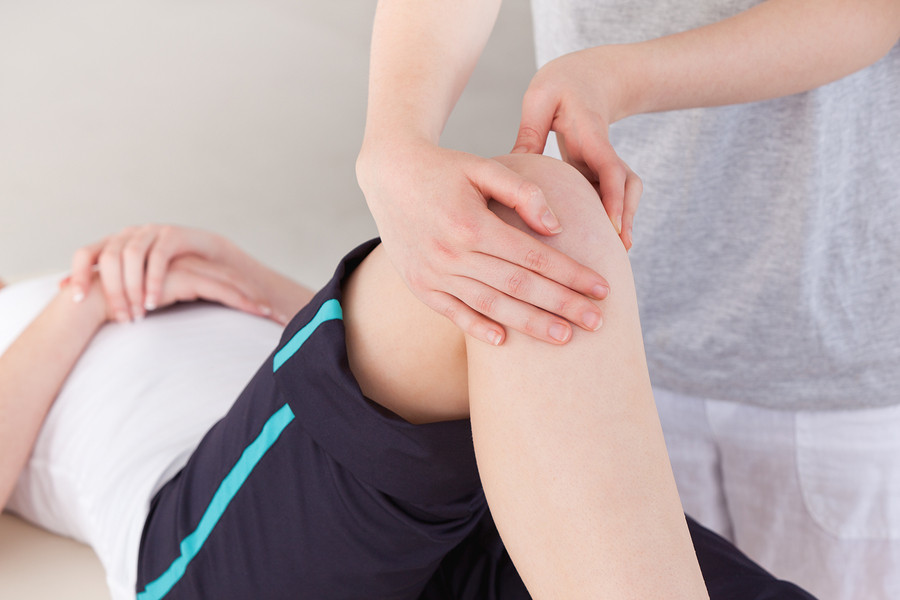
Can you put off that knee surgery?
Don't assume surgery is necessary if knee pain sidelines you. Physical therapy may be all it takes. Image: iStock |
Physical therapy and weight loss can relieve knee pain and protect your mobility.
Ask the doctor: Prostate surgery and ED
Q. I am scheduled to have my prostate removed and am concerned about the risk of erectile dysfunction (ED) after the surgery. I've heard that taking an ED drug daily during my recovery could help. Do you recommend this?
A. About half of men lose some erectile function after radical prostatectomy, which removes the entire prostate gland. ED drugs help men to have erections after surgery, but so far research has not shown that taking it daily produces better results than taking the medication as-needed—when you anticipate sexual activity.

Gain more weight, get more GERD
Maintaining a healthy weight is the best way to rein in gastroesophageal reflux disease (GERD), or chronic heartburn, according to a study in The American Journal of Gastroenterology. Researchers found that GERD symptoms increased for every incremental rise in body mass index (BMI), which measures the ratio of weight to height.
In GERD, the acidic contents of the stomach back up into the lower esophagus, causing burning pain. The most effective treatment for GERD is taking an acid-reducing proton-pump inhibitor medication, such as omeprazole (Prilosec). People who are overweight are much more likely to develop GERD.
Adding folate to blood pressure medication reduces stroke
People with high blood pressure could benefit from a B vitamin known as folate if they are not getting enough from their diets, according to a study in The Journal of the American Medical Association (JAMA).
The study included more than 20,000 adults in China with high blood pressure who had never had a stroke or heart attack. Participants who took folate supplements along with a blood pressure medication had fewer strokes over the four-and-one-half-year trial than those who only took the medication.
Most liver risk comes from over-the-counter drugs and supplements
Many different medications can potentially harm the liver, so doctors sometimes do liver function tests to ensure safety. The worst-case scenario is liver failure, but when this happens, the cause is usually not prescription medications, but rather the over-the-counter painkiller acetaminophen (Tylenol) or herbal supplements, according to a study in Gastroenterology.
Researchers scrutinized 5.4 million records of patients in the Kaiser Permanente Northern California system from 2004 to 2010. They identified only 62 cases of liver failure, 32 of which were linked to medications. This may not precisely reflect national rates, but it does suggest that liver failure from medications is relatively uncommon.

Acetaminophen seems safe for the heart
After a small study hinted that taking acetaminophen (Tylenol) might increase blood pressure, some doctors worried that this popular painkiller might not be as safe as once assumed, particularly for people with heart disease. But those fears now appear unfounded, according to a March 2015 report in Hypertension.
Using records from a U.K. health database, researchers identified nearly 25,000 people ages 65 and older with high blood pressure. They then compared people who took acetaminophen with people who didn't take the drug over a 10-year period. After adjusting for possible confounding factors, they found no elevated risk of heart attack, stroke, or any cardiovascular events among people who used acetaminophen—even among those who took the painkiller frequently. Despite this reassurance, be aware that high doses of acetaminophen can damage your liver. Don't take more than 3,000 milligrams (mg) a day. Over-the-counter pills (including some cold and flu drugs) may contain up to 650 mg of the drug, so check labels carefully.

Adding a diuretic to your blood pressure drug
Diuretics can augment the blood pressure-lowering effects of other drugs, such as ACE inhibitors. Image: Thinkstock |
It may boost the effect of your current medication.
People with high blood pressure need this B vitamin
It appears that people with high blood pressure who take folate along with the blood pressure medicine enalapril (Vasotec) may be less likely to have a stroke than people who take enalapril alone.

6 ways to use your mind to control pain
Meditation with guided imagery, which often involves imagining yourself in a restful environment, may reduce your need for pain medication. |
Relaxation, meditation, positive thinking, and other mind-body techniques can help reduce your need for pain medication.
Drugs are very good at getting rid of pain, but they often have unpleasant, and even serious, side effects when used for a long time. If you have backache, fibromyalgia, arthritis, or other chronic pain that interferes with your daily life, you may be looking for a way to relieve discomfort that doesn't involve drugs. Some age-old techniques—including meditation and yoga—as well as newer variations may help reduce your need for pain medication.
Even a little exercise linked with lower stroke risk in people with afib
Testosterone therapy without evidence of deficiency may boost heart risk
Weight-loss drug may lower risk of heart attacks and infections
What to eat on the DASH diet
Migraine: How it's diagnosed and what that means
Tricep workouts you can do at home
Mindfulness practices to reduce stress and improve focus
Antihistamines may not offer meaningful relief from eczema symptoms
Overweight and taking blood pressure medications: Study finds it's a trend that's working
FDA approves first mRNA-based flu vaccine
Free Healthbeat Signup
Get the latest in health news delivered to your inbox!
Sign Up
