

Even a little exercise linked with lower stroke risk in people with afib

Testosterone therapy without evidence of deficiency may boost heart risk

Weight-loss drug may lower risk of heart attacks and infections

What to eat on the DASH diet

Migraine: How it's diagnosed and what that means

Tricep workouts you can do at home

Mindfulness practices to reduce stress and improve focus

Antihistamines may not offer meaningful relief from eczema symptoms

Overweight and taking blood pressure medications: Study finds it's a trend that's working

FDA approves first mRNA-based flu vaccine
Medical devices Archive
Articles

Follow medication instructions
It appears that adverse drug events that lead to visits to the emergency department are increasing among older adults.

New prescription? Talk to your pharmacist
A conversation with this health professional can help you avoid making harmful mistakes.
Image: wavebreakmedia/Thinkstock
When your pharmacist hands you your pills, he or she is likely to ask, "Any questions?" This is an invitation to tap into a vast store of knowledge—and one you should accept. A few minutes with your pharmacist may spare you some serious health consequences.
"People are often in the dark regarding the purpose of their medication," says Dr. Gordon Schiff, associate professor of medicine at Harvard Medical School. Although prescriptions come with a lengthy package insert containing detailed information about the drug, the information is often written in technical terms and printed in microscopic type. The lack of clear information and the confusion and misunderstandings that result figure into more than a million preventable medical complications annually.

How does the new vaginal product alleviate pain during intercourse?
Intrarosa, a vaginal insert containing dehydroepiandosterone (DHEA), improves vaginal lubrication to alleviate pain during intercourse.
Diuretic blood pressure drug linked to fewer hip fractures
In a large, long-term clinical trial, people taking the diuretic chlorthalidone had significantly fewer hip fractures than those taking the calcium-channel blocker amlodipine or the ACE inhibitor lisinopril.
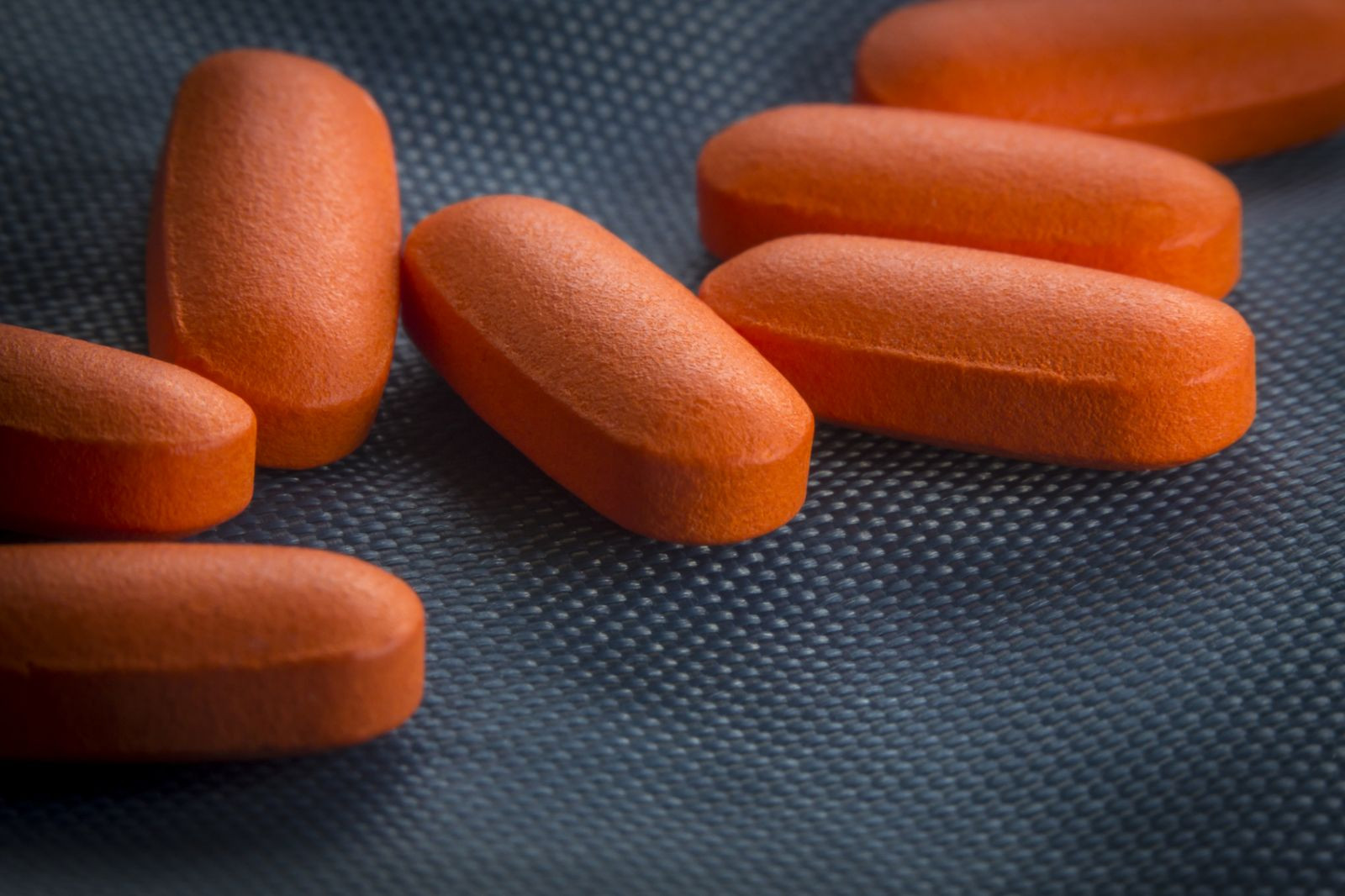
Are some painkillers safer for your heart than others?
Despite new research, the answer is unclear. Use caution when taking any pain medication on a routine basis.
Image: iStock
People with aching joints from arthritis—which affects nearly one in four adults—often rely on drugs known as NSAIDs to ease the pain of this often-debilitating condition. These popular medications also relieve headaches, cool fevers, and dampen inflammation. But with the exception of aspirin, most NSAIDs pose a risk to the cardiovascular system, notes Harvard professor Dr. Elliott Antman, a cardiologist at Brigham and Women's Hospital.
"Taking NSAIDs routinely over a long time period can raise the risk of blood clots, increase blood pressure, and accelerate cardiovascular disease," says Dr. Antman. While the danger is greatest in people with heart disease, it's also present in people without any signs of the disease.
Stents and bypass equally effective for many cases of heart disease
A new study found that a minimally invasive stent procedure is just as effective as bypass surgery for people with left main coronary artery disease. Stenting also had a lower risk of complications and death compared with the surgery.

Is my medication causing these side effects, or is it just aging?
Tracking your progress and symptoms can help you discern the difference.
Image: YakobchukOlena/Thinkstock
You probably know that when you take a medication, you need to tell your doctor about any side effects that develop. But being aware of side effects can be challenging when you're older. "In many cases, the signs of aging are similar to side effects of medications," says Joanne Doyle Petrongolo, a pharmacist at Harvard-affiliated Massachusetts General Hospital.
Similarities
What you should do
To determine if your symptoms are drug side effects or signs of aging, Doyle Petrongolo recommends keeping good records of your health issues and medication changes. "Keep a chart or a log of all medications taken, and record the medication start date. If a side effect is noted within a few days or weeks of starting a medication, then it is more likely that the symptom is medication-related," she explains.
It may be weeks or months before a symptom develops, but don't wait too long to report a symptom, especially if it interferes with your daily activity. "If it lingers for several weeks, then it is a good idea to speak with a doctor or pharmacist to determine the cause," says Doyle Petrongolo.
The fix
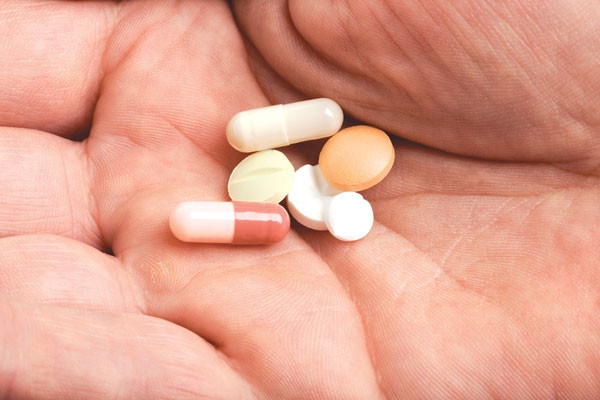
Does it matter how you lower your cholesterol?
Certain cholesterol-lowering medications—namely, ezetimibe (Zetia) and drugs known as bile acid binders—also appear to be effective at lowering cholesterol and reducing the risk of serious cardiovascular events.
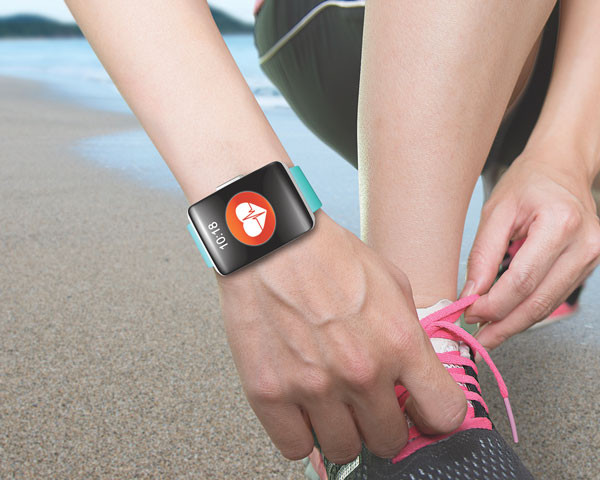
Are wristwatch-style heart rate monitors accurate?
Wristwatch-style fitness monitors use a sensor that detects blood flow through the skin to estimate a person’s heart rate. Some brands are more accurate that others, but none are as accurate as chest-strap monitors.
When is it okay to split medication in half?
Splitting a pill into two equal halves is sometimes necessary when needing to adjust dosage, or as a means to save money buy purchasing higher-dose pills. However, splitting is not safe for all pills, so a person should always consult a pharmacist or doctor.
Even a little exercise linked with lower stroke risk in people with afib
Testosterone therapy without evidence of deficiency may boost heart risk
Weight-loss drug may lower risk of heart attacks and infections
What to eat on the DASH diet
Migraine: How it's diagnosed and what that means
Tricep workouts you can do at home
Mindfulness practices to reduce stress and improve focus
Antihistamines may not offer meaningful relief from eczema symptoms
Overweight and taking blood pressure medications: Study finds it's a trend that's working
FDA approves first mRNA-based flu vaccine
Free Healthbeat Signup
Get the latest in health news delivered to your inbox!
Sign Up
