

Even a little exercise linked with lower stroke risk in people with afib

Testosterone therapy without evidence of deficiency may boost heart risk

Weight-loss drug may lower risk of heart attacks and infections

What to eat on the DASH diet

Migraine: How it's diagnosed and what that means

Tricep workouts you can do at home

Mindfulness practices to reduce stress and improve focus

Antihistamines may not offer meaningful relief from eczema symptoms

Overweight and taking blood pressure medications: Study finds it's a trend that's working

FDA approves first mRNA-based flu vaccine
Medical devices Archive
Articles

Supplements used as statin alternatives pose safety issues
Research we're watching
Dietary supplements made from red yeast rice contain substances called monacolins, which are similar to the active ingredient in cholesterol-lowering statin drugs. And like statins, red yeast rice products may cause rare but serious side effects, such as muscle injury and liver damage, as noted in a study published online January 19, 2017, by the British Journal of Pharmacology.
The study, based on a review of 13 years of patient data by Italian researchers, notes that people who can't tolerate statins often take red yeast rice supplements. But there are no studies testing the safety of red yeast rice compared with statins. In the United States, the FDA considers red yeast rice products that contain more than trace amounts of monacolins to be unapproved new drugs and therefore illegal to sell. Yet dozens of these unregulated products remain on the market.
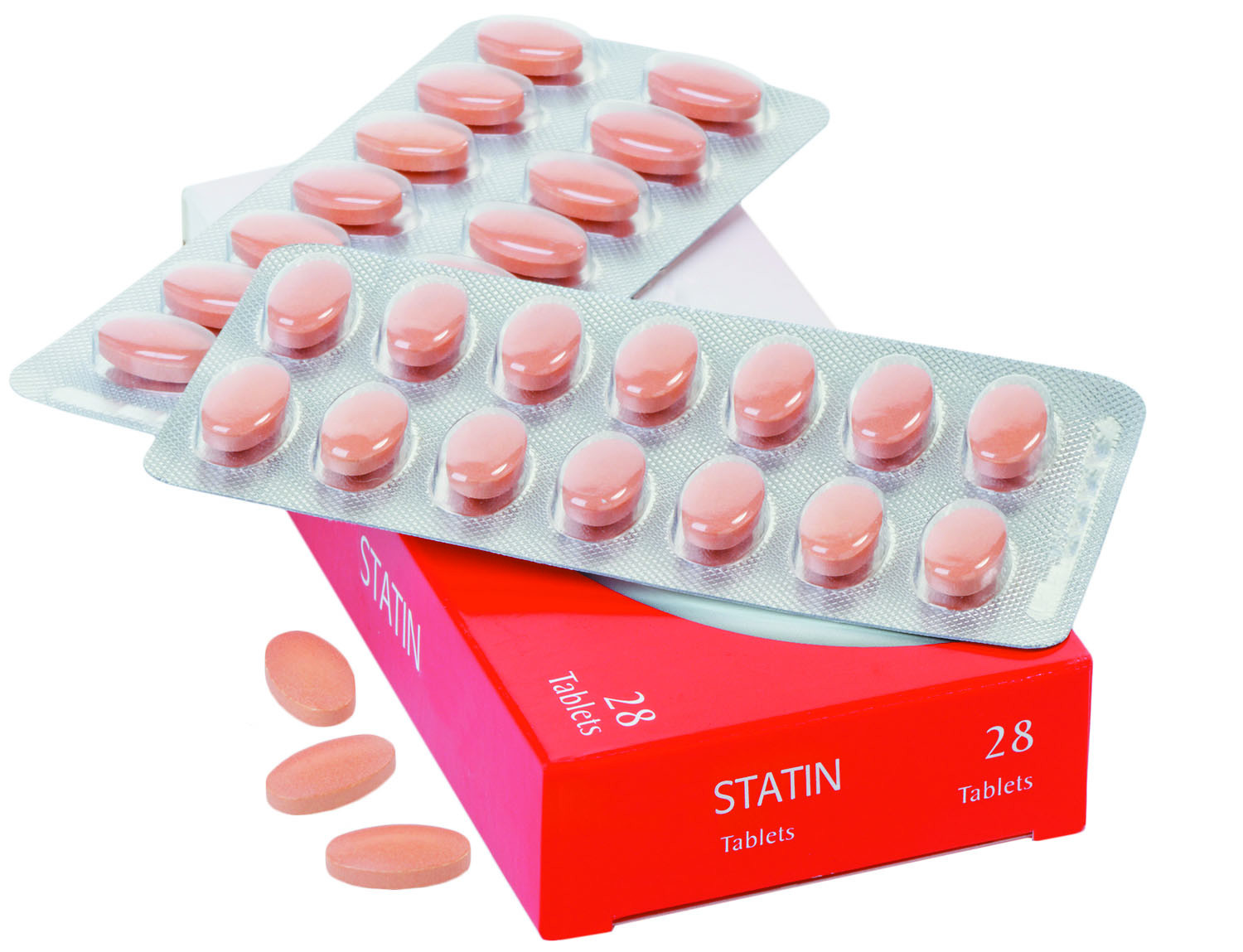
The new state of statins
Almost one-third of older adults take statins to help lower cholesterol levels, but new guidelines and research have restarted the conversation on the role statins play in your health.
Image: © rogerashford/Thinkstock
Since they were introduced two decades ago, statins have been touted as a driving force in helping many older men reduce their risk of heart attack and stroke.
New research even suggests these drugs might treat other conditions, like Alzheimer's disease, and lower your risk of death from cancer (see "Other statin uses?").
Can implantable hormone pellets prevent bone loss?
Ask the doctor
Q. I've heard that bioidentical hormone pellets injected near the hip are more effective than bone-building drugs in stopping bone loss and preventing hip fracture. Is this true?
A. The FDA hasn't approved hormone pellets for preventing or treating bone loss. Moreover, there are no randomized controlled trials on record, so we don't know whether hormone pellets are more effective — or even as effective — as the FDA-approved medical therapies. Finally, there aren't any published reports explaining how the hormones are metabolized in the body or the side effects they may have.

Long-term use of opioids may depend on the doctor who prescribes them
Some doctors are more likely to prescribe opioids to their patients, and those patients are more likely to end up taking them long-term. It's crucial for consumers to educate themselves about the risks of taking opiates, and to consider alternatives if possible.
Short circuit migraines before they start
Author and migraine sufferer Joan Didion once wrote, "That no one dies of migraine seems, to someone deep into an attack, an ambiguous blessing." At that time, migraines weren't something that could be prevented. Today, that's a possibility for some people who have severe migraines, frequent migraines (more than three or four times a month), or migraines that don't respond well to treatment.
The cornerstone of migraine prevention is managing triggers like stress or certain foods or strong perfumes. Alternative and complementary therapies (like acupuncture) help some migraine sufferers keep headaches at bay.
Ask the doctor: Should I continue aspirin therapy if I do not have heart problems?
Aspirin therapy can help prevent a second heart attack and stroke, but for otherwise healthy older men, its use depends on their 10-year risk for a heart attack or stroke as determined by their doctor.
Do not get sold on drug advertising
Prescription drug ads are a multibillion-dollar industry that promotes treatments you may or may not need. Here's how to use that information to your advantage.
Ads for prescription drugs are everywhere. You can't watch a sporting event without seeing an ad touting a treatment for erectile dysfunction, high cholesterol, high blood pressure, or joint pain.
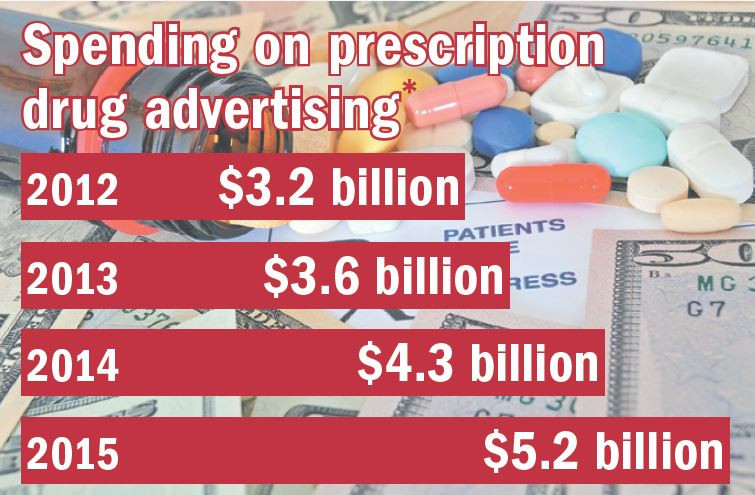
Drug marketing is a big business, and companies are willing to spend a lot of money to offer you an easy solution to a health problem you may or may not have. From 2012 to 2015, yearly spending on prescription drug advertising in all media outlets (except digital) rose from $3.2 billion to $5.2 billion, and that figure is expected to only go up.
Ask the doctor: Why would I need Prolia?
Denosumab (Prolia) is recommended for people at high risk for fractures for whom other bone-loss treatments were ineffective or had intolerable side effects.
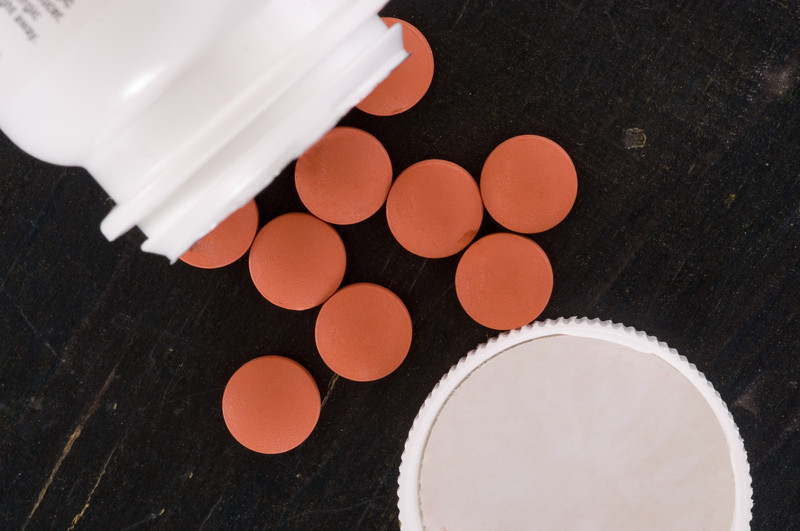
The downside of taking pills to treat chronic pain
When the risks of medication outweigh the benefits.
Image: © iStock
Taking over-the-counter or prescription painkillers may seem like a simple solution for chronic pain. It's actually a bit more complicated, yet many older adults aren't aware of potential problems. "They think that if it doesn't require a prescription, it's safe. But there are some long-term health risks," says Dr. Edgar Ross, director of the Pain Management Center at Harvard-affiliated Brigham and Women's Hospital.
Here's what you should know about some commonly used pain relievers.

6 ways to stay on your medication plan
Take control by using helpful gadgets and talking to your doctor about reducing your medications.
Image: © Wavebreakmedia/Thinkstock
There are many reasons why people are unable to stick to a medication regimen prescribed by a doctor, such as high costs or drug side effects. Often, those issues can be resolved by asking your doctor if a switch to another drug will help.
Another reason for what doctors call "non-adherence": too many pills and confusion about taking them. "It is a bigger problem than organization, and not always the patient's fault. Often providers write too many prescriptions without explaining them, or create a complicated schedule," says Dr. Sarah Berry, a geriatrician and assistant professor at Harvard Medical School.
Even a little exercise linked with lower stroke risk in people with afib
Testosterone therapy without evidence of deficiency may boost heart risk
Weight-loss drug may lower risk of heart attacks and infections
What to eat on the DASH diet
Migraine: How it's diagnosed and what that means
Tricep workouts you can do at home
Mindfulness practices to reduce stress and improve focus
Antihistamines may not offer meaningful relief from eczema symptoms
Overweight and taking blood pressure medications: Study finds it's a trend that's working
FDA approves first mRNA-based flu vaccine
Free Healthbeat Signup
Get the latest in health news delivered to your inbox!
Sign Up
