
Why do I sweat so much?
Walking pneumonia: The "mild" illness that can still pack a punch
Tai chi walking: What is it and does it work?

What causes knee pain: How doctors make a diagnosis
Sacroiliac joint pain: Causes, symptoms, and exercises that help
Where you carry excess weight matters in predicting heart disease risk
Study: At-home colorectal cancer screening may significantly cut colon cancer deaths

Fatty liver disease: Should you be tested?

Even a little exercise linked with lower stroke risk in people with afib

Testosterone therapy without evidence of deficiency may boost heart risk
Libido and sexual performance Archive
Articles

"Awe" walks inspire more joy, less distress
News briefs
Need a little inspiration? The next time you take a walk outside, note things that spark a sense of wonder or awe. That's what some older adults tried for a small study published online Sept. 21, 2020, by the journal Emotion. Of the 50 people who took part, half went for weekly 15-minute walks outdoors (alone) for eight weeks, and snapped "selfies" along the way. The other half took the same walks and selfies, but visited a new place each time. They were asked, especially, to note things that inspired a sense of awe — like tree colors or leaves underfoot softened by rain. Participants also answered surveys about the emotions they felt on walk and non-walk days. After analyzing responses and photos, scientists found that people who people took the "awe walks" reported less distress and increasing awe, joy, compassion, and gratitude, compared with people on the regular walks. Awe walkers also smiled more and made themselves smaller in their photos, focusing more on landscapes — a sign of a greater appreciation of the world around them. Try it yourself: On your next walk, imagine you're seeing things for the first time. What will inspire you? Perhaps a path lined with trees, the shore of a lake, or an up-close look at skyscrapers. Jot down your observations, and see if you feel a sense of wonder and joy. Happy trails!
Image: © Igor Alecsander/Getty Images
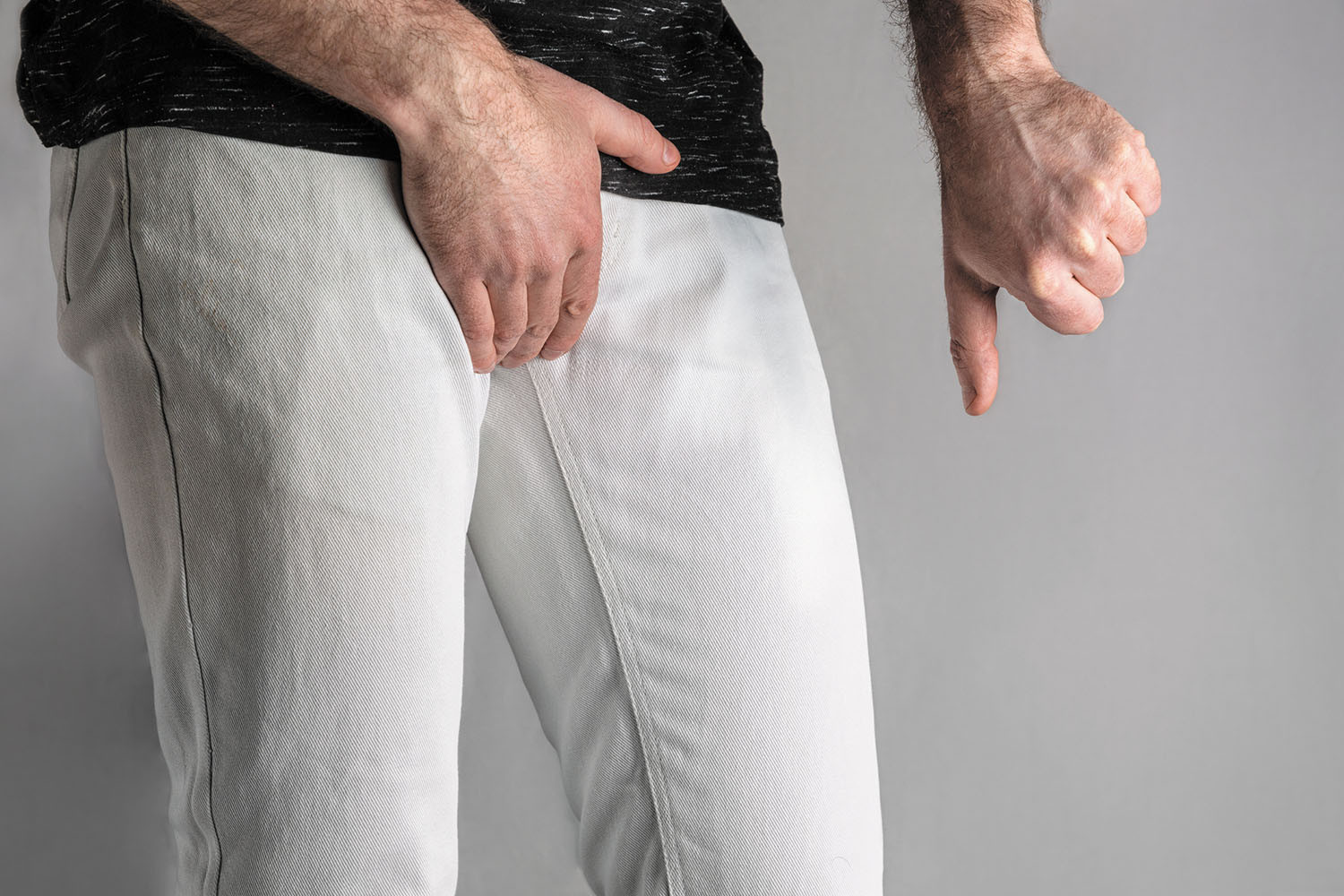
Unlocking the mystery of chronic pelvic pain syndrome
The condition is an all-too-real problem for men, and one of the more difficult to treat.
After age 50, men often have periods of discomfort "down there." It could be a cramping, aching, or throbbing pain in and around your pelvis and genitals. You also may have issues in the bedroom and bathroom. While the problems are real, the cause is often difficult to pinpoint.
It's called chronic pelvic pain syndrome (CPPS) — also known as chronic prostatitis — and it's one of the most puzzling and difficult-to-manage conditions for older men.

The sequence of hormonal therapy and radiation affects outcomes in men treated for prostate cancer
A common treatment for men with intermediate-risk prostate cancer is to combine radiation with drugs that block testosterone — a hormone that makes the tumors grow faster. (This type of treatment is also called androgen deprivation therapy, or ADT). New research is suggesting the sequence of these treatments may be crucially important. Dr. Dan Spratt, […]
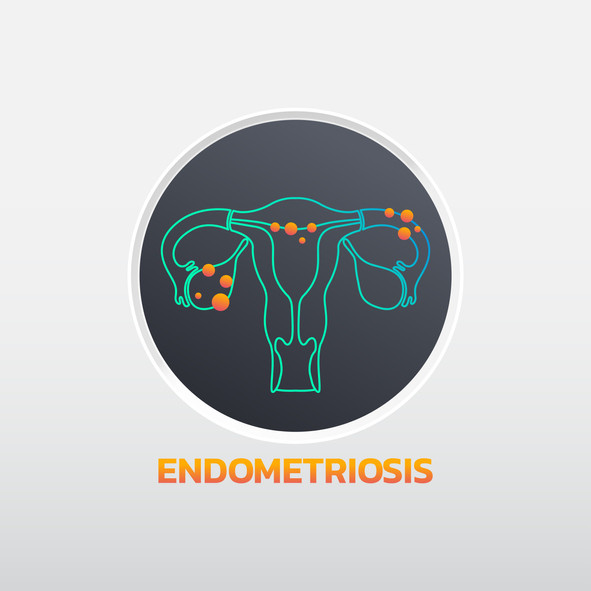
Treating the pain of endometriosis
Endometriosis occurs in women when tissue similar to the lining of the uterus grows in other places in the body, most commonly within the pelvis, causing pain and other symptoms. Many women with this condition are not diagnosed properly until middle age. There are several options for treatment, and it may take time to find what works best for each person.
7 strategies for partnering up with ED
Men who have erectile dysfunction are often embarrassed and are reluctant to talk about their condition. But significant others can help by offering much-needed support in a number of ways.

Birth control and high blood pressure: Which methods are safe for you?
Doctors typically recommend that women who have high blood pressure avoid using birth control that contains estrogen to avoid raising risks for a stroke or heart attack. According to a clinical update, this recommendation may be changing for some women with high blood pressure.

The danger of “silent” heart attacks
About half of all heart attacks are mistaken for less serious problems and can increase your risk of dying from coronary artery disease.
Image: goir/Getty Images
You can have a heart attack and not even know it. A silent heart attack, known as a silent myocardial infarction (SMI), account for 45% of heart attacks and strike men more than women.
They are described as "silent" because when they occur, their symptoms lack the intensity of a classic heart attack, such as extreme chest pain and pressure; stabbing pain in the arm, neck, or jaw; sudden shortness of breath; sweating, and dizziness.

Plant protein may help you live longer
In the journals
Men need sufficient protein to help maintain muscle mass and strength as they age. A study published online July 13, 2020, by JAMA Internal Medicine suggests the source of that protein also may dictate how long they live. Scientists examined the diets of more than 400,000 people ages 50 and older, who consumed protein from plant sources, red meat, and eggs. They were then followed for more than 16 years. Those who ate mostly plant protein instead of red meat or egg protein had a 13% to 24% lower risk of death from any cause.
How much plant protein is enough? The researchers found that men in particular had a 12% lower risk of death for every 10 grams of plant protein per 1,000 calories they consumed. The experts suggested that the benefits could increase if men ate even more plant protein. Guidelines recommend that healthy older adults need 1.2 grams of daily protein for every kilogram of body weight. A 175-pound man would need about 95 grams. Good sources of plant protein include almonds (about 17 grams per 1/2 cup), tofu (20 grams per cup), lentils (about 18 grams per cup), and black beans and chickpeas (15 grams per cup).

Can acupuncture help my menopause symptoms?
Ask the doctors
Q. I've been experiencing some menopause symptoms, such as hot flashes. Can acupuncture help?
A. There is some evidence that acupuncture may be able to provide short-term relief from some menopausal symptoms, including hot flashes. Acupuncture is a long-used type of Chinese medicine in which a trained practitioner inserts thin needles into specific locations on your body.
Why do I sweat so much?
Walking pneumonia: The "mild" illness that can still pack a punch
Tai chi walking: What is it and does it work?
What causes knee pain: How doctors make a diagnosis
Sacroiliac joint pain: Causes, symptoms, and exercises that help
Where you carry excess weight matters in predicting heart disease risk
Study: At-home colorectal cancer screening may significantly cut colon cancer deaths
Fatty liver disease: Should you be tested?
Even a little exercise linked with lower stroke risk in people with afib
Testosterone therapy without evidence of deficiency may boost heart risk
Free Healthbeat Signup
Get the latest in health news delivered to your inbox!
Sign Up
