

CoQ10: Should you take this popular supplement if you're on a statin?

Microplastics: A hidden health threat?

Oat vs. dairy milk: Nutrition, benefits, and downsides

What is tempeh? Benefits, nutrition, and how to use it

Healing after food poisoning

Children of centenarians may stay healthier and live longer too, study finds

Light exposure at night may raise risk for heart disease

A lumbar belt may help ease low back pain

Whole grains may improve several heart risk factors at once

Signs of pneumonia: Sometimes vague and unexpected
Knees Archive
Articles
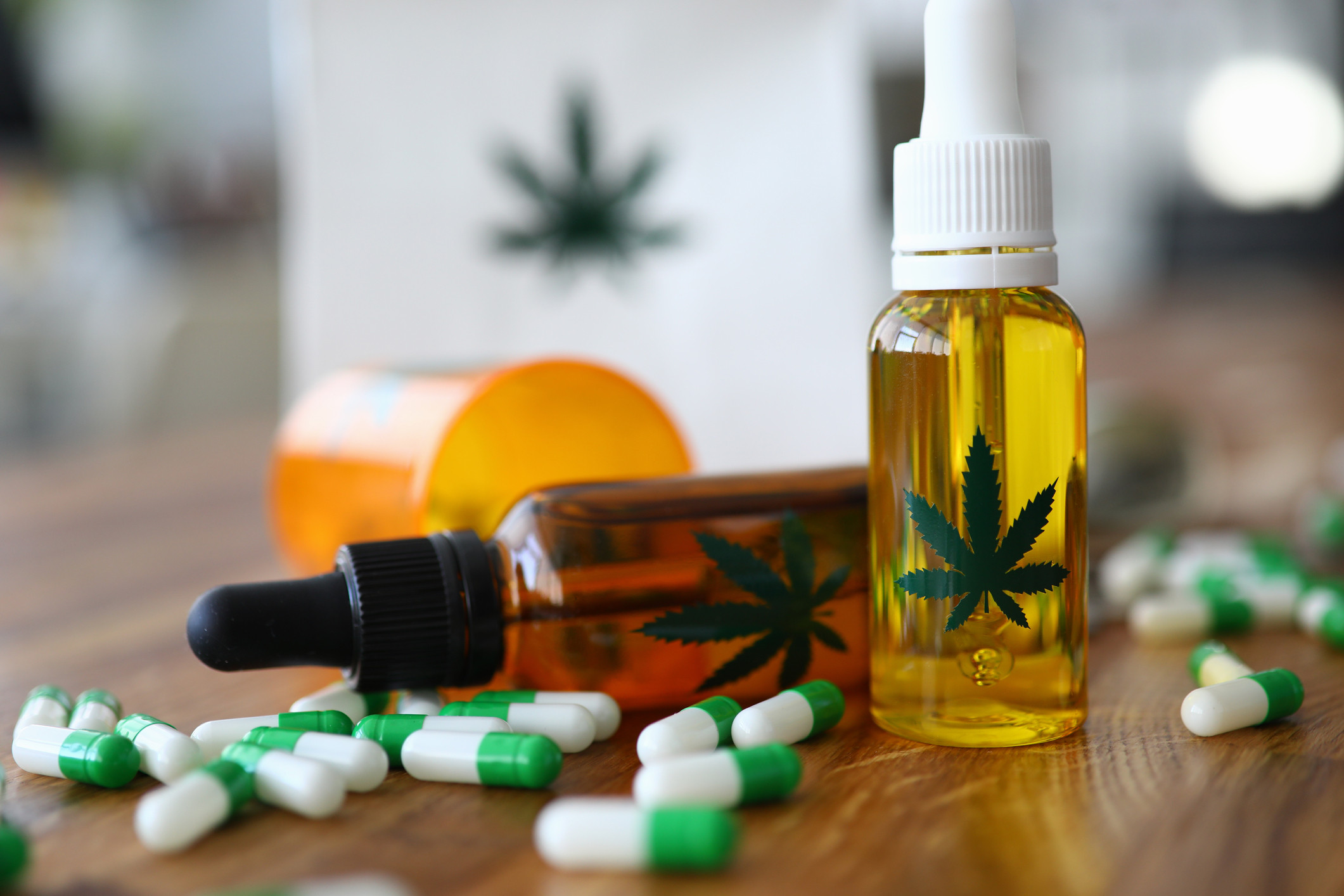
Does CBD help with arthritis pain?
If you have chronic arthritis pain, you may have been tempted to try cannabidiol as a treatment, or you may have tried it already. But is there any evidence that it works? Studies are finally addressing this question, and the results are just starting to come in.


Preparing your feet for summer
Summertime activities often trigger foot pain from overuse or the lack of support in shoes. To prepare feet for summer, it helps to get shoes or sandals with good support and seek physical therapy to strengthen foot muscles. People who expect to be walking on a beach barefoot can give their feet a little practice and time to adapt by wearing slightly less supportive shoes at home, and then shoes with even less support. It's also a good idea to learn about ways to relieve foot pain if it strikes, such as foot baths, topical medications, and foot massage.

Sleep apnea may lead to weaker bones and teeth
A 2022 study found that people with sleep apnea are more likely to have low bone density. Apnea may trigger low oxygen levels and inflammation that impair the body's continuous bone renewal process.

Exercising with a flare-up of knee arthritis
Staying active when knee osteoarthritis flares helps the joint stay flexible. But activity should be modified to take pressure off the knee. That could mean walking instead of running, or playing pickleball instead of tennis. Other activities that are easy on the joint include riding a stationary bike, using an elliptical machine, practicing yoga, swimming, walking pain-free distances on flat terrain, doing upper body strength training, or core strengthening. Warming up before activity helps to loosen stiff knee joints.

Vitamin D deficiency linked to loss of muscle strength
A 2022 study found that vitamin D deficiency significantly increases the likelihood of age-related loss of muscle strength, known as dynapenia, a major risk factor for falls.

The trouble with new drugs
After a drug is approved by the FDA, unexpected safety problems may be discovered. Depending on the level of concern, different safety warnings may be issued –– including a black box warning designed to call attention to serious or life-threatening side effects.

Pondering a new knee? Try this as you gear up for the decision
People with knee arthritis who don't feel ready for joint replacement can take a number of steps as they ponder the possibility. These include getting knee injections or wearing a brace to reduce pain, modifying activities (such as exercise) that aggravate knee pain, losing weight to take pressure off the knee joint, exercising more to help with weight control, seeking physical therapy, getting underlying health conditions under control, doing research about knee replacement, and talking to an orthopedic surgeon.

Seeing a surgeon?
A pre-surgery consultation with the surgeon can feel overwhelming. Many people are anxious and have questions about what's to come. Setting the right expectations on both sides can ease anxiety and help define a successful outcome.

Take arms against perplexing pain
Pain in the shoulder, elbow, or wrist without obvious injury is common. Possible causes include arthritis, bursitis, frozen shoulder, rotator cuff tear, tendinitis, or nerve compression in the carpal tunnel or the cubital tunnel. Home remedies include rest, ice, compression, or elevation; over-the-counter anti-inflammatory pain relievers; and devices such as a splint or brace. Other treatments include physical therapy or steroid injections. Surgery is usually a last resort.
CoQ10: Should you take this popular supplement if you're on a statin?
Microplastics: A hidden health threat?
Oat vs. dairy milk: Nutrition, benefits, and downsides
What is tempeh? Benefits, nutrition, and how to use it
Healing after food poisoning
Children of centenarians may stay healthier and live longer too, study finds
Light exposure at night may raise risk for heart disease
A lumbar belt may help ease low back pain
Whole grains may improve several heart risk factors at once
Signs of pneumonia: Sometimes vague and unexpected
Free Healthbeat Signup
Get the latest in health news delivered to your inbox!
Sign Up
