

Naturally gluten-free foods

Harvard study: Healthier fats linked to longer life after prostate cancer diagnosis

Shingrix shingles vaccine linked with lower heart disease risks

Estrogen-only hormone therapy tied to lower dementia risk

Should you have a hysterectomy?

Stair climbing may significantly lower cardiovascular risks

Why do I sweat so much?

Walking pneumonia: The "mild" illness that can still pack a punch

What causes knee pain: How doctors make a diagnosis

Where you carry excess weight matters in predicting heart disease risk
Heart Health Archive
Articles

The latest on cholesterol testing
Adults should have a blood lipid panel done at least every five years. |
Experts still advise getting regular blood lipid tests.
In late 2013, when the new national guidelines on managing cholesterol were released, many people wondered how the change would affect blood cholesterol testing. Also known as a lipid profile or lipid panel, the cholesterol test measures several different types of fats (lipids) in your bloodstream.

Smartphone apps for blood pressure: A clever choice?
Smartphone apps can remind you to measure your blood pressure and take your medication, which can help you better control the condition. |
Apps that track and chart your blood pressure may be useful. But for now, avoid those that use the phone as a measuring tool.
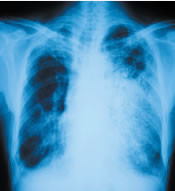
Heart attack risk rises after a bout of pneumonia
If you're hospitalized with pneumonia,your heart attack risk may rise in the following month. Image: Thinkstock |
If you're over 65, be sure to follow the latest pneumonia vaccine guidelines.
Each year, about a million people in the United States end up in the hospital with pneumonia, a serious lung infection that can be caused by an array of different viruses, bacteria, and even fungi. New research suggests that older people hospitalized with pneumonia face four times their usual risk of a having a heart attack or stroke or dying of heart disease in the month following the illness.

An avocado a day may keep cholesterol at bay
Adding an avocado a day to a healthy diet may lower harmful LDL cholesterol levels, according to a study in the Journal of the American Heart Association. Forty-five overweight or obese volunteers followed three different cholesterol-lowering diets, each for five weeks. One diet had 24% of calories from fat; the other two were 34% fat, one of which included an avocado per day. While participants were on the avocado diet, their LDL levels dropped an average of 13.5 points—nearly twice as much as when they were on the other two diets.
Hass avocados (the type used in the study) have bumpy, greenish-black skin. The creamy flesh is rich in monounsaturated fats, which help lower LDL cholesterol when swapped for saturated fat. But other compounds in avocados, such as fiber and plant sterols, may also contribute to their healthful benefits, say the authors. Avocados can be sliced into salads, spread on sandwiches, or mashed to make guacamole. Just be sure to go easy on the high-calorie, salty corn chips often served with the latter.

Portable ultrasound reveals early signs of heart disease
A portable ultrasound device that detects plaque buildup in arteries may offer a simple, cost-effective way to detect heart disease before it causes any symptoms. A report in the December 2014 Global Heart journal describes findings from a large-scale test of the technology in India, the United States, and Canada.
The innermost layer of an artery's wall (the intima) provides a smooth surface for blood to flow through. The middle layer (the media) contains muscle and elastic fibers that let the vessel expand and contract with each heartbeat. The thicker the intima and the media, the more likely the artery is choked with cholesterol-filled plaque. Using ultrasound, a doctor can easily measure the intima-media thickness in the arteries of the neck and upper leg.

Stressful job may raise stroke risk
Job strain—defined as having a demanding job in which you have little control—may slightly increase the risk of a stroke. The findings, in the February 2015 Stroke, echo earlier results that show a similar link between heart disease and job strain.
Researchers gleaned the results from 14 different studies that included more than 190,000 men and women from six European countries. Their average age was 42, and the follow-up lasted just over nine years, on average. Job strain was associated with a roughly 20% higher risk of ischemic stroke (the type that occurs when a clot blocks a blood vessel supplying the brain).
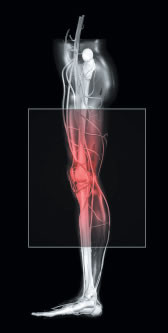
Could that leg pain be peripheral artery disease?
The pain of peripheral artery disease may be felt above or below the knee during activity, and will fade with rest. Image: Thinkstock |
The telltale sign is leg pain and fatigue that comes on with activity and goes away with rest.

New thinking about beta blockers
Beta blockers are no longer the first line of defense used to lower blood pressure. |
If you have high blood pressure, there may be better alternatives.

"Advanced" cholesterol testing: Is it for you?
A discussion with your doctor can help to determine whether an advanced cholesterol test will be beneficial for you. |
For most people, there is no advantage to tests that measure cholesterol and triglyceride particle size.

PCSK9 inhibitors: a major advance in cholesterol-lowering drug therapy
Every so often, a medical advance comes along that rewrites the script for treating a disease or condition. After today’s announcement of impressive results of a new type of cholesterol-lowering drug, that scenario just might happen in the next few years. The results of three clinical trials presented today at the annual meeting of the American College of Cardiology, and simultaneously published in the New England Journal of Medicine, suggest that a class of new drugs called PCSK9 inhibitors can dramatically reduce the amount of harmful LDL cholesterol circulating in the bloodstream and prevent heart attacks, strokes, and other problems related to cholesterol-clogged arteries. The drawbacks are that PCSK9 inhibitors must be given by injection every 2 to 4 weeks, may cause mental confusion or trouble paying attention, and, if approved, will likely be expensive.
Naturally gluten-free foods
Harvard study: Healthier fats linked to longer life after prostate cancer diagnosis
Shingrix shingles vaccine linked with lower heart disease risks
Estrogen-only hormone therapy tied to lower dementia risk
Should you have a hysterectomy?
Stair climbing may significantly lower cardiovascular risks
Why do I sweat so much?
Walking pneumonia: The "mild" illness that can still pack a punch
What causes knee pain: How doctors make a diagnosis
Where you carry excess weight matters in predicting heart disease risk
Free Healthbeat Signup
Get the latest in health news delivered to your inbox!
Sign Up
