

Fatty liver disease: Should you be tested?

Weight-loss drug may lower risk of heart attacks and infections

Testosterone therapy without evidence of deficiency may boost heart risk

Even a little exercise linked with lower stroke risk in people with afib

Antihistamines may not offer meaningful relief from eczema symptoms

What to eat on the DASH diet

Tricep workouts you can do at home

FDA approves first mRNA-based flu vaccine

Migraine: How it's diagnosed and what that means

Mindfulness practices to reduce stress and improve focus
Heart Health Archive
Articles
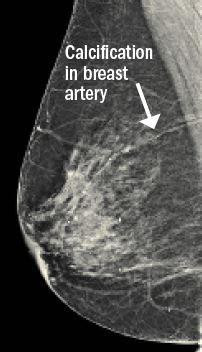
Machine learning used on mammograms may help predict heart disease
A type of artificial intelligence that uses a deep machine learning tool to analyze different features from routine mammograms can predict a woman's risk of heart-related problems, according to a 2025 analysis.
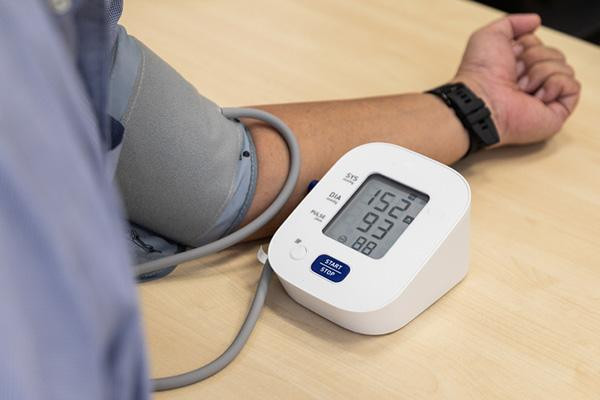
Many people lack knowledge about high blood pressure
A 2025 survey suggests that many adults don't have a good understanding of high blood pressure, including not knowing what reading signifies high blood pressure and confusion about symptoms related to the condition.

How the body's internal clocks influence heart health
Circadian rhythms, which are hardwired into nearly every cell of the body, regulate the heart and blood vessels. Disruptions to this rhythm-from shift work, poor sleep, or unhealthy habits-can raise the risk of cardiovascular disease. For example, heart attacks are more likely to occur on Mondays than any other day of the week. That's because people tend to stay up later than usual and then sleep in the next day. On Monday morning, when they have to wake up early again for work, the change may cause subtle changes in blood pressure, hormone secretion, and metabolism that raise heart attack risk.

A new risk calculator estimates your heart's age
A free online tool that estimates your heart's age suggests that most adults have a heart that is older than their chronological age, according to a 2025 study.

Ultra-processed foods linked to plaque buildup in neck arteries
A diet high in ultra-processed foods is linked to higher burden of fatty plaque in the carotid arteries, according to a 2025 study.

The five factors that drive heart disease
A 2025 study finds that smoking and high blood pressure are the two most important factors driving heart disease risk. Together with high cholesterol, excess weight (or being underweight), and diabetes, these five factors account for about 50% of the burden of cardiovascular disease. Compared to people with all five risk factors at age 50, those who had none of the factors were far less likely to develop cardiovascular disease or die early. On average, women with none of the risks at midlife lived 13 more years without heart disease, while men lived an additional 11 years.
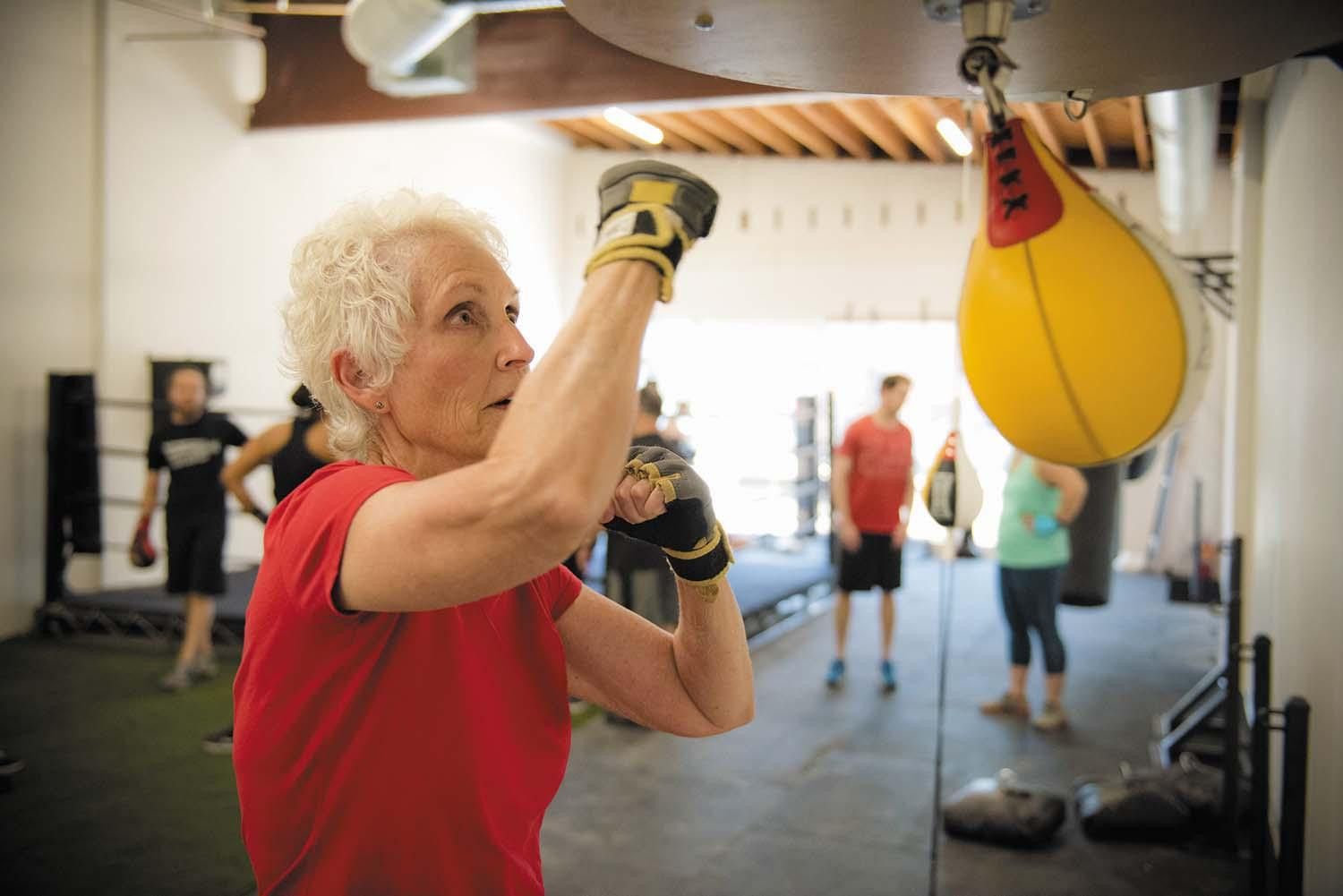
The heartfelt effects of exercise
Exercise is one of the most powerful tools for preventing heart disease and extending life. Physical activity triggers favorable changes such as making cells more sensitive to insulin and reducing inflammation. It also helps keep blood vessels supple and flexible (which supports efficient blood flow), strengthens muscles (which helps burn more calories), and remodels the heart, making it more efficient at pumping blood through the body. Together, these changes all reduce a person's chances of developing common risk factors for heart disease, including diabetes, high blood pressure, high cholesterol, and obesity.

Higher fitness levels may protect against atrial fibrillation
A 2025 study suggests that higher fitness levels may help protect people from developing atrial fibrillation.

Several risk factors in midlife may lead to dementia
Researchers have found that high blood pressure, diabetes, and smoking had the greatest association with the likelihood of a dementia diagnosis as people age. Managing these issues could offer protection.

Respiratory syncytial virus (RSV) tied to heart problems
A 2025 study suggests that respiratory syncytial virus (RSV) can lead to heart-related complications, such as a heart attack, chronic heart failure, or an irregular heartbeat-even in people without a previous heart condition.
Fatty liver disease: Should you be tested?
Weight-loss drug may lower risk of heart attacks and infections
Testosterone therapy without evidence of deficiency may boost heart risk
Even a little exercise linked with lower stroke risk in people with afib
Antihistamines may not offer meaningful relief from eczema symptoms
What to eat on the DASH diet
Tricep workouts you can do at home
FDA approves first mRNA-based flu vaccine
Migraine: How it's diagnosed and what that means
Mindfulness practices to reduce stress and improve focus
Free Healthbeat Signup
Get the latest in health news delivered to your inbox!
Sign Up
