

People who walk more or walk faster live longer, study finds

For sleep apnea, a dental device may be as effective as CPAP

Rosacea treatments: What works?

Carb cycling: What is it, and does it work?

Understanding orthorexia: Have your healthy eating goals gone too far?

Melatonin or magnesium: Can either supplement help you sleep?

Salmonella, E. coli, Cyclospora, and other germs that cause food poisoning: What you need to know

Naturally gluten-free foods

Harvard study: Healthier fats linked to longer life after prostate cancer diagnosis

Shingrix shingles vaccine linked with lower heart disease risks
Heart Health Archive
Articles

A modest level of physical activity may help protect women from health risks
According to a 2025 study, women who walked at least 4,000 steps per day once or twice a week had a lower risk of cardiovascular disease and early death compared with women who did not reach this threshold.

The salts of the earth
Culinary salts such as Himalayan pink salt, kosher salt, fleur de sel, and flaky sea salt can lend a delightful crunch or flavor to foods. However, they consist largely of sodium chloride, just like table salt, and are no healthier. Consuming too much sodium is tied to increased risks for damage to the heart, kidneys, and brain. Dietitians advise using only a small pinch of a fancy salt, perhaps as a garnish or condiment, to satisfy taste buds without going overboard with the salt shaker.

Women with diabetes may face more hidden heart damage
A 2025 study suggested that women with diabetes are nearly twice as likely as men to have hidden heart disease. These women might especially benefit from early screening for problems in the small blood vessels of the heart.

Poor sleep raises risk of heart problems in menopausal women
A 2025 study identified poor sleep along with high blood pressure, nicotine use, and high blood sugar levels as particularly important factors increasing the long-term risk of heart problems for women in midlife.

Is an apoB test a better way to check your cholesterol?
An apolipoprotein B (apoB) test counts the number of LDL particles in the bloodstream as well as other particles that can contribute to clogged arteries and heart attacks. All of these so-called atherogenic particles carry a single apoB molecule but varying amounts of cholesterol. ApoB values are more closely linked to heart disease risk than LDL cholesterol. People with signs of an unhealthy metabolism-such as prediabetes, a big belly, or elevated triglycerides-are far more likely to have a high apoB.

Beta blockers: Who benefits from these common drugs?
Doctors have long prescribed drugs called beta blockers to all heart attack survivors. These drugs, which slow down the heart and lower blood pressure, include atenolol (Tenormin) and metoprolol (Lopressor, Toprol). Growing evidence suggests that these drugs offer no meaningful benefit for people whose hearts still pump normally after a heart attack. Sometimes, however, a heart attack leaves the left ventricle (the heart’s main pumping chamber) unable to contract effectively. When that’s the case, beta blockers are still recommended.
When and why you need drugs for atrial fibrillation
Many people with atrial fibrillation (afib) - a rapid, irregular heart rhythm - need to control symptoms, such as the feeling that the heart is racing or fluttering. Medication options include drugs that slow down the heart or help restore its rhythm. Because afib can also increase the risk of blood clots that can lead to a stroke, many of these people also need to take clot-preventing medications.
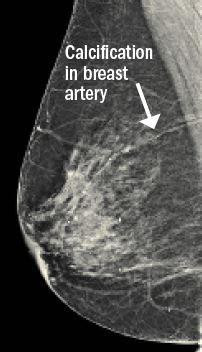
Machine learning used on mammograms may help predict heart disease
A type of artificial intelligence that uses a deep machine learning tool to analyze different features from routine mammograms can predict a woman's risk of heart-related problems, according to a 2025 analysis.
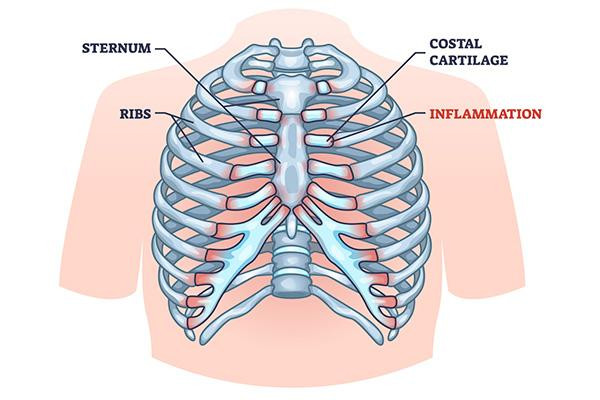
Chest pain that mimics a heart attack
Costochondritis, which is inflammation of the cartilage between the ribs and the breastbone, is one of the most common causes of chest pain and is frequently mistaken for a heart attack.

Nearly everyone has at least one risk factor before a heart attack, heart failure, or stroke
A 2025 study suggests that more than 99% of people who have a first-time heart attack, stroke, or heart failure have at least one of four risk factors: unhealthy blood pressure, cholesterol, or blood sugar levels, or past or present smoking.
People who walk more or walk faster live longer, study finds
For sleep apnea, a dental device may be as effective as CPAP
Rosacea treatments: What works?
Carb cycling: What is it, and does it work?
Understanding orthorexia: Have your healthy eating goals gone too far?
Melatonin or magnesium: Can either supplement help you sleep?
Salmonella, E. coli, Cyclospora, and other germs that cause food poisoning: What you need to know
Naturally gluten-free foods
Harvard study: Healthier fats linked to longer life after prostate cancer diagnosis
Shingrix shingles vaccine linked with lower heart disease risks
Free Healthbeat Signup
Get the latest in health news delivered to your inbox!
Sign Up
