

Healing after food poisoning

What is tempeh? Benefits, nutrition, and how to use it

Light exposure at night may raise risk for heart disease

Whole grains may improve several heart risk factors at once

A lumbar belt may help ease low back pain

Children of centenarians may stay healthier and live longer too, study finds

Signs of pneumonia: Sometimes vague and unexpected

The surprising link between ovarian cancer and the fallopian tubes

Using a vibration plate: What it can — and can't — do for your body

People who walk more or walk faster live longer, study finds
Heart Disease Archive
Articles
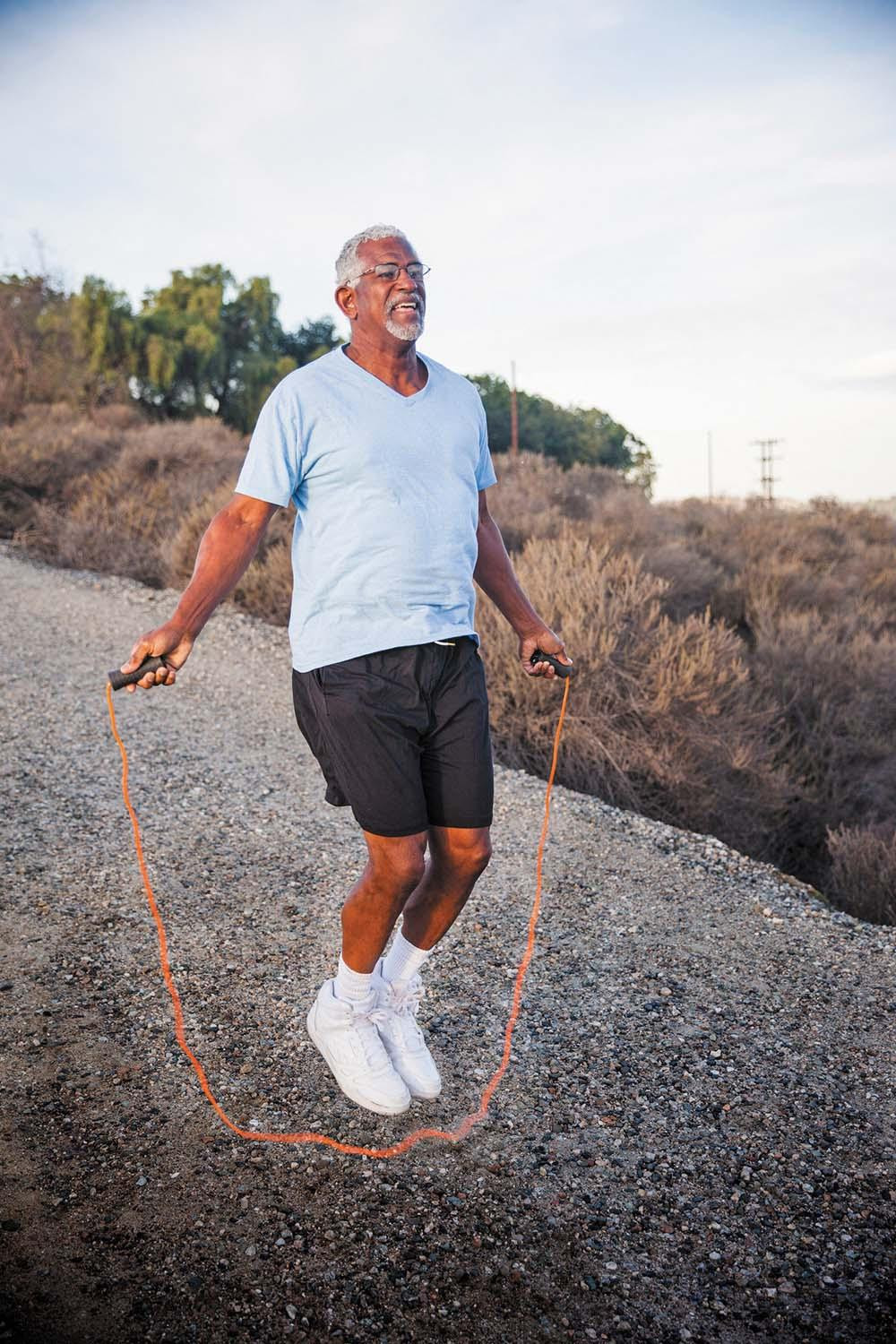
A fresh approach to cardio exercises
There are many ways people can meet the guidelines for weekly activity besides running and walking. They can do activities like boxing, swimming, cycling, basketball, dancing, and pickleball; circuit training using gym machines; and exercising at home.

New thinking about plaque in arteries that feed the brain
Carotid artery stenosis, which happens when fatty plaque accumulates in neck arteries that supply the brain, leaves people vulnerable to a stroke. Intensive drug therapy may forestall the need for invasive procedures to treat this problem.

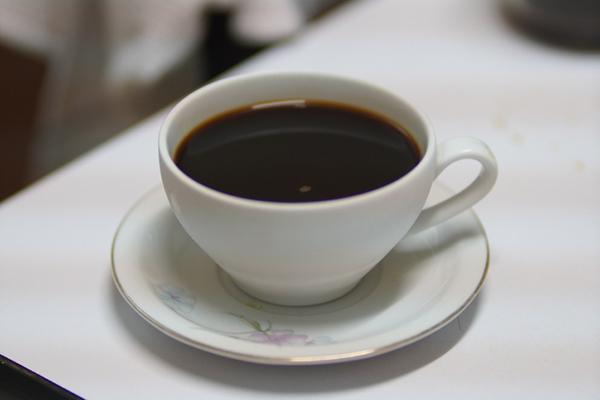
Daily cup of coffee may prevent afib recurrence
People with atrial fibrillation (afib) who drank an average of one cup of caffeinated coffee daily had a lower risk of recurrent afib compared to those who avoided caffeine, according to a 2025 study.
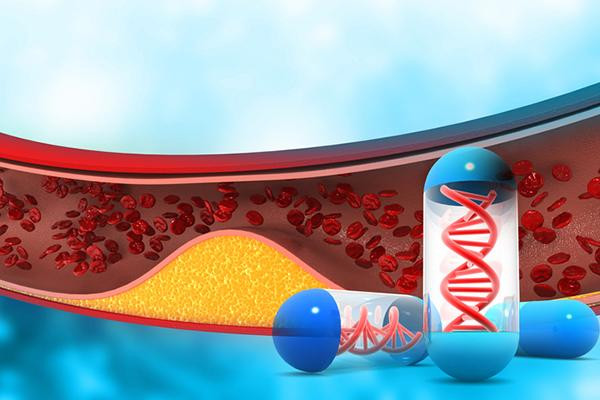
Gene-editing therapy lowers harmful blood fats in early study
A one-time infusion of a gene-editing therapy called CTX310 may safely lower cholesterol and triglyceride levels, according to a small preliminary trial. The first-in-human study, published in 2025, included 15 people with uncontrolled LDL cholesterol, triglycerides, or both.
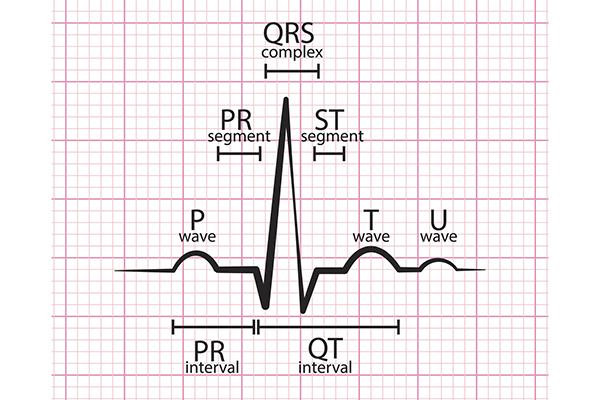
What is long QT syndrome?
Long QT syndrome is a disorder of the heart’s electrical system that can be either acquired (for example, due to a medication) or congenital. Although usually people have no symptoms, it can cause a fast, erratic heartbeat that may lead to shortness of breath, fainting, and sometimes death.
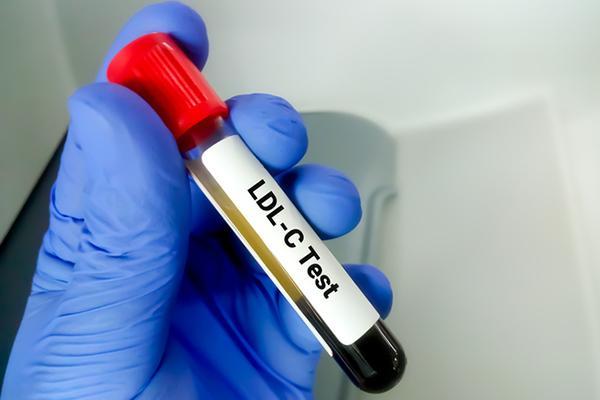
Stroke survivors may benefit from very low LDL levels
For stroke survivors, reaching a very low LDL (bad) cholesterol level may reduce their risk of future strokes and other cardiovascular problems, according to a 2025 study.
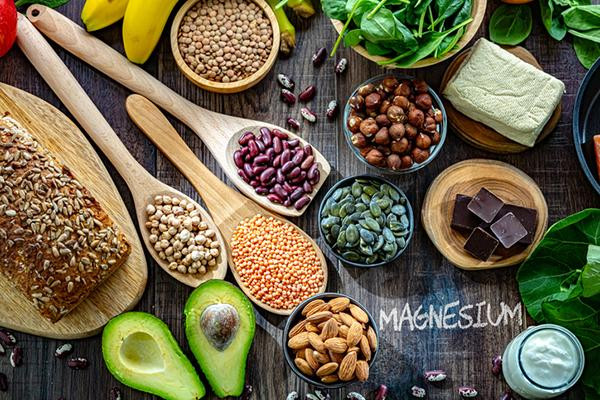
Should you take a magnesium supplement to lower your blood pressure?
Taking magnesium supplements has become popular in recent years, and some evidence suggests this practice may help lower blood pressure, especially for those with high blood pressure or low magnesium levels. But a healthy diet is a better way for people to ensure they're getting enough of this essential nutrient.

The emotional aftermath of a heart attack
Up to half of all heart attack survivors experience some type of psychological distress, including sadness, worry, or irritability. This problem is known as post-myocardial infarction psychological distress. Cardiac rehabilitation is the best way to get treatment.
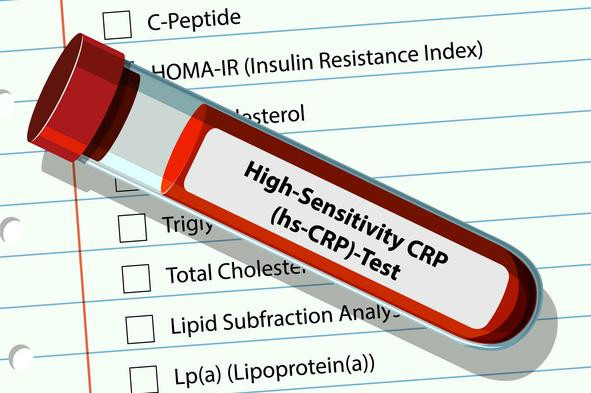
Inflammation and heart disease: A smoldering threat
Chronic, low-level inflammation is just as important as cholesterol in causing clogged heart arteries. Cardiologists are calling for more widespread testing for inflammation, which is easily measured with an inexpensive blood test.
Healing after food poisoning
What is tempeh? Benefits, nutrition, and how to use it
Light exposure at night may raise risk for heart disease
Whole grains may improve several heart risk factors at once
A lumbar belt may help ease low back pain
Children of centenarians may stay healthier and live longer too, study finds
Signs of pneumonia: Sometimes vague and unexpected
The surprising link between ovarian cancer and the fallopian tubes
Using a vibration plate: What it can — and can't — do for your body
People who walk more or walk faster live longer, study finds
Free Healthbeat Signup
Get the latest in health news delivered to your inbox!
Sign Up
