

Whole grains may improve several heart risk factors at once

Light exposure at night may raise risk for heart disease

Children of centenarians may stay healthier and live longer too, study finds

A lumbar belt may help ease low back pain

Signs of pneumonia: Sometimes vague and unexpected

Using a vibration plate: What it can — and can't — do for your body

The surprising link between ovarian cancer and the fallopian tubes

People who walk more or walk faster live longer, study finds

Rosacea treatments: What works?
For sleep apnea, a dental device may be as effective as CPAP
Heart Attack Archive
Articles

Cut calories or carbohydrates for better heart health?
The carbohydrate-insulin model of obesity considers the biological mechanisms that trigger the body to store too much fat. Eating fast-digesting carbs causes the body to release large amounts of insulin, which causes excess calories to be stored as fat. When fat cells suck up too many calories, there are too few calories for the rest of the body, which causes hunger and overeating. Cutting back on carbohydrates may shift metabolism in ways that promote weight loss without causing excess hunger, while also improving common risk factors for heart disease. The amount of carbohydrate reduction people might consider depends on their specific health parameters.

Short-term stroke symptoms still need emergency care
People who experience stroke symptoms that disappear in less than an hour, a phenomenon known as a transient ischemic attack, should seek immediate care to prevent a full-blown stroke.

6 natural ways to lower blood pressure
Medication to lower high blood pressure is a proven way to reduce a person's risk for heart disease. But adopting lifestyle changes may let people maintain healthy readings and perhaps even avoid drug therapy. Six lifestyle changes have the most significant influence on blood pressure: diet, exercise, weight control, limiting sodium and alcohol, and managing stress.

Erectile dysfunction drugs linked to lower risk of heart problems
Otherwise healthy men treated with prescription drugs used to treat erectile dysfunction had a lower risk of heart attacks, strokes, or death from heart-related causes.

Tiny wearable sensor provides real-time ultrasound of the heart
A wearable sensor no bigger than a postage stamp can capture detailed images of the heart, even when a person is exercising. The technology may one day make high-quality cardiac imaging more widely accessible to a larger population.

The high cost of a poor diet
What people choose to eat has a big impact on their cardiovascular health. The dietary habits of the nation as a whole also have a major effect on the country's economic health. About 45% of the costs associated with heart disease, stroke, and diabetes is related to unhealthy diets. The dietary habits that appear to have the biggest effect are not eating enough nuts, seeds, and seafood omega-3 fatty acids. Among foods to avoid, sugary beverages and processed meats seem to contribute the most to higher costs. Each year, unhealthy diets cost the United States an average of about $300 per person in medical costs, which translates to $50 billion nationwide.

Sugar's not-so-sweet effects on the heart
A sugary diet contributes to weight gain and other factors that boost heart disease risk, including inflammation, disrupted blood sugar control, and increased cholesterol. The typical American diet is very high in added sugar, nearly half of which comes from sugar-sweetened beverages. Another 30% comes from baked goods such as cookies, brownies, cakes, pies, doughnuts, sweet rolls, and pastries. People don't need to completely give up sweet treats but should enjoy them just once or twice a week rather than daily.
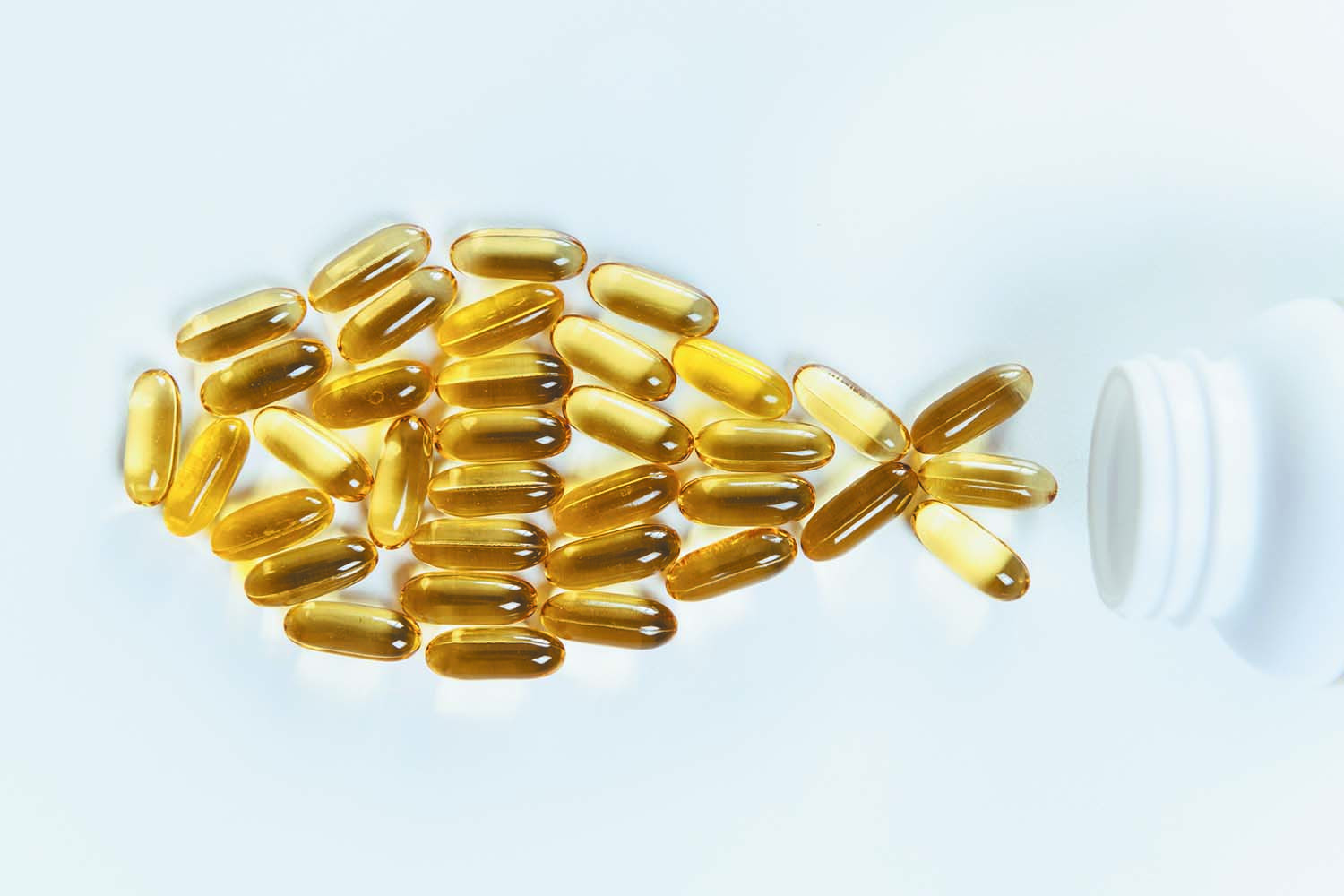
The questions about fish oil supplements
Some research says taking a daily fish oil supplement can reduce the risk of heart attacks and strokes, while other studies say the evidence remains thin. While fish oil is the best source of omega-3 fatty acids (essential nutrients that the body cannot make on its own), taking an over-the-counter fish oil supplement probably provides no extra heart benefit beyond a well-balanced diet that includes plenty of omega-3-rich fatty fish, nuts, and seeds.

Calcium scan concerns
Coronary artery calcium scans tend to be quite accurate. Unlike some other imaging tests, the results are unlikely to be either falsely negative or falsely positive because the results are literally black and white (the calcium shows up as white on the scan).

Tofu may help your heart
Tofu may be good for the heart. A study published in March 2020 in the journal Circulation found that people who ate at least one weekly serving of tofu or another food containing isoflavones (a compound found in soybeans and other legumes) had an 18% lower risk of developing heart and blood vessel disease than people who ate these foods less than once a month. These foods appeared particularly beneficial to premenopausal women and women who had gone through menopause but weren't using hormone replacement therapy. Experts recommend substituting these foods for less healthy protein options such as red or processed meats.
Whole grains may improve several heart risk factors at once
Light exposure at night may raise risk for heart disease
Children of centenarians may stay healthier and live longer too, study finds
A lumbar belt may help ease low back pain
Signs of pneumonia: Sometimes vague and unexpected
Using a vibration plate: What it can — and can't — do for your body
The surprising link between ovarian cancer and the fallopian tubes
People who walk more or walk faster live longer, study finds
Rosacea treatments: What works?
For sleep apnea, a dental device may be as effective as CPAP
Free Healthbeat Signup
Get the latest in health news delivered to your inbox!
Sign Up
