

Whole grains may improve several heart risk factors at once

Light exposure at night may raise risk for heart disease

Children of centenarians may stay healthier and live longer too, study finds

A lumbar belt may help ease low back pain

Signs of pneumonia: Sometimes vague and unexpected

Using a vibration plate: What it can — and can't — do for your body

The surprising link between ovarian cancer and the fallopian tubes

People who walk more or walk faster live longer, study finds

Rosacea treatments: What works?
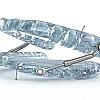
For sleep apnea, a dental device may be as effective as CPAP
Heart Attack Archive
Articles

9 at-home treatments for acid reflux
GERD, or acid reflux, can lead to heartburn, a bad taste in your mouth, and other unpleasant symptoms. Here are some treatments you can try at home.

5 foods to eat to help your heart
While the focus is often on avoiding unhealthy foods, adding in nutritious options can be a means of protecting and improving your heart health. Olive oil, mixed nuts, multicolored fruits and vegetables, fatty fish, and sources of soluble fiber are options to try.

Appreciating golf's cardiovascular perks
A 2023 study found that playing an 18-hole round of golf on foot (pulling golf clubs) had greater immediate effects on blood sugar and cholesterol than walking briskly for one hour or doing Nordic walking for one hour.

Sweet surrender: Added sugar linked to higher heart risk
Diets high in free sugar—which includes sugar added to processed foods and drinks as well as the sugar in syrups, fruit juice, and honey—are linked to an increased risk of cardiovascular disease.

Move of the month: Crescent stretch
A crescent stretch, which can be done in a seated or standing position, stretches the sides of the torso and strengthens the core.

Pacemaker precautions in the age of electrification
An estimated 2.5 million Americans have implanted heart devices, which can be affected by magnetic or electrical interference from electric vehicle charging stations, induction cooktop stoves, and smaller gadgets such as smartphones and wireless earbuds. Magnetic energy can cause pacemakers to revert to a preset mode that may be faster or slower than the programmed heart rate. Electrical interference can cause a pacemaker or implanted cardioverter defibrillator to mistakenly stop functioning or deliver an unneeded shock.

Should you be tested for sleep apnea?
Obstructive sleep apnea is a condition marked by brief pauses in breathing, often triggering loud snoring, grunts, gasps, and choking noises. Because sleep apnea can put stress on your heart and circulation, it's important to learn the signs and symptoms and get treatment.

Hospital at home: A movement whose time has come
Hospital at home provides care in a person's home for common conditions such as heart failure. Health care providers visit at least twice daily and can draw blood, provide intravenous medication delivery, and take portable ultrasounds and chest X-rays. Patients are constantly monitored via a small patch on the chest that measures heart rate and rhythm, breathing rates, and activity. The program also provides a tablet used for videoconferencing with the doctor and specialists, if needed.

Yoga: A flexible way to enhance heart health
Yoga has modest yet positive effects on several factors linked to cardiovascular health, including lower blood pressure and lower levels of harmful LDL cholesterol. The postures, breathing, and meditation practices inherent in yoga help cultivate the relaxation response, which trains the body to be less reactive during times of stress. People new to yoga should seek out a beginner, gentle, or chair yoga class, especially those who are over 65 or who have any medical conditions.

Aortic valve replacement options
People younger than 65 with a bicuspid aortic valve who develop aortic stenosis may need open heart surgery to replace the valve. A less invasive procedure isn't possible for several reasons, including challenges related to the valve anatomy.
Whole grains may improve several heart risk factors at once
Light exposure at night may raise risk for heart disease
Children of centenarians may stay healthier and live longer too, study finds
A lumbar belt may help ease low back pain
Signs of pneumonia: Sometimes vague and unexpected
Using a vibration plate: What it can — and can't — do for your body
The surprising link between ovarian cancer and the fallopian tubes
People who walk more or walk faster live longer, study finds
Rosacea treatments: What works?
For sleep apnea, a dental device may be as effective as CPAP
Free Healthbeat Signup
Get the latest in health news delivered to your inbox!
Sign Up
