

Even a little exercise linked with lower stroke risk in people with afib

Testosterone therapy without evidence of deficiency may boost heart risk

Weight-loss drug may lower risk of heart attacks and infections

What to eat on the DASH diet

Migraine: How it's diagnosed and what that means

Tricep workouts you can do at home

Mindfulness practices to reduce stress and improve focus

Antihistamines may not offer meaningful relief from eczema symptoms

Overweight and taking blood pressure medications: Study finds it's a trend that's working

FDA approves first mRNA-based flu vaccine
Heart Attack Archive
Articles

Stopping unneeded aspirin may prevent dangerous bleeding
Some people who take the anti-clotting drug warfarin (Coumadin) may not need to take low-dose aspirin. Stopping unneeded aspirin use may prevent dangerous bleeding.

Heavy metals found in popular brands of dark chocolate
Popular brands of dark chocolate (which is often touted as heart-healthy) may contain potentially worrisome levels of lead and cadmium. Consistent, long-term exposure to these heavy metals has been linked to cardiovascular disease.
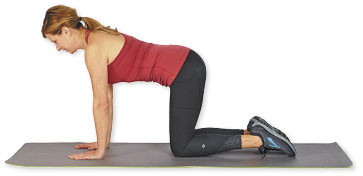
Move of the month: Opposite arm and leg raise
The core muscles include those of the abdomen, lower back, front of hips, and spine. Many popular sports such as cycling, golf, tennis, and swimming depend on a stable, flexible core.

Telehealth for your heart
Video visits and other forms of telehealth, which were commonplace during the COVD-19 surge, can be good options for treating people with heart disease. Telehealth delivery options can be synchronous or asynchronous, and they may also include remote monitoring or measurements such as weight and blood pressure. Blended care that combines in-person appointments with virtual visits may be the wave of the future.

Addressing language challenges after a stroke
Stroke is the most common cause of aphasia, a language-based brain disorder that can affect speaking, understanding, reading, and writing. But the brain has the ability to rewire brain cells and recover lost function through a process known as neuroplasticity. Therapy with a speech-language pathologist facilitates this recovery, which is greatest in the first several months after a stroke. Stroke survivors who keep working on their language processing problems can continue to improve for years.

Statins vs. supplements: A reckoning
A 2022 study found that a statin drug lowers LDL cholesterol better than six popular dietary supplements. While not everyone with high LDL needs a statin, these drugs are proven to lower heart attack risk in people who have or are at high risk of heart disease based on a common risk calculator. Dietary supplements such as cinnamon, garlic, and turmeric aren't helpful for addressing heart-related risks, and product labels often offer false promises regarding cardiovascular benefits.

The new diabetes drugs: Your best shot for weight loss?
Several drugs originally developed to treat type 2 diabetes can help people shed as much as 20% of their body weight—far more than other anti-obesity drugs. Known as incretin mimetics, they also improve blood pressure and cholesterol levels. Up to half of all new-onset diabetes cases in this country are linked to obesity, a disease that now affects more than 40% of Americans. Both conditions are closely linked to cardiovascular disease.

Exercising when you have a heart condition
For people with all types of cardiovascular disease, regular exercise helps prevent the disease from getting worse. Even very short exercise stints can make a difference. Many people with heart disease qualify for cardiac rehabilitation, which includes an exercise stress test that shows how your heart and body respond to exertion. The results can inform recommendations for safe, effective physical activity.

From the editors
With this issue of the Harvard Heart Letter, Dr. Christopher Cannon, professor of cardiology at Harvard Medical School, becomes editor in chief.

Shift work can harm sleep and health: What helps?
Mounting evidence paints a worrisome picture of the potential health consequences of nontraditional shift work schedules. So how can people who are required to work during the night and sleep during the day protect their health and well-being?
Even a little exercise linked with lower stroke risk in people with afib
Testosterone therapy without evidence of deficiency may boost heart risk
Weight-loss drug may lower risk of heart attacks and infections
What to eat on the DASH diet
Migraine: How it's diagnosed and what that means
Tricep workouts you can do at home
Mindfulness practices to reduce stress and improve focus
Antihistamines may not offer meaningful relief from eczema symptoms
Overweight and taking blood pressure medications: Study finds it's a trend that's working
FDA approves first mRNA-based flu vaccine
Free Healthbeat Signup
Get the latest in health news delivered to your inbox!
Sign Up
