

Whole grains may improve several heart risk factors at once

Light exposure at night may raise risk for heart disease

Children of centenarians may stay healthier and live longer too, study finds

A lumbar belt may help ease low back pain

Signs of pneumonia: Sometimes vague and unexpected

Using a vibration plate: What it can — and can't — do for your body

The surprising link between ovarian cancer and the fallopian tubes

People who walk more or walk faster live longer, study finds

Rosacea treatments: What works?

For sleep apnea, a dental device may be as effective as CPAP
Heart Attack Archive
Articles

Dizzy spells when you stand up: When should you worry?
Orthostatic hypotension is a drop in blood pressure when standing up. If it ever leads to loss of consciousness or a fall, it can be dangerous.

Are eggs risky for heart health?
Large studies have not found evidence of higher rates of heart attacks, strokes, or other cardiovascular diseases in people who eat up to one egg per day.

Is metformin a wonder drug?
Metformin, a medicine prescribed to treat type 2 diabetes, also has cardiovascular benefits and is used off-label to treat other conditions. Interest is growing in its potential to help lower risks for other serious health problems and even slow aspects of aging, but which of these benefits, if any, apply to people who do not have diabetes?

Is a low heart rate worrisome?
I?ve read that a normal resting heart rate is between 60 and 100 beats per minute. Mine runs around 45 to 48. Should I be concerned? I have been a runner for 42 years and have completed seven marathons.
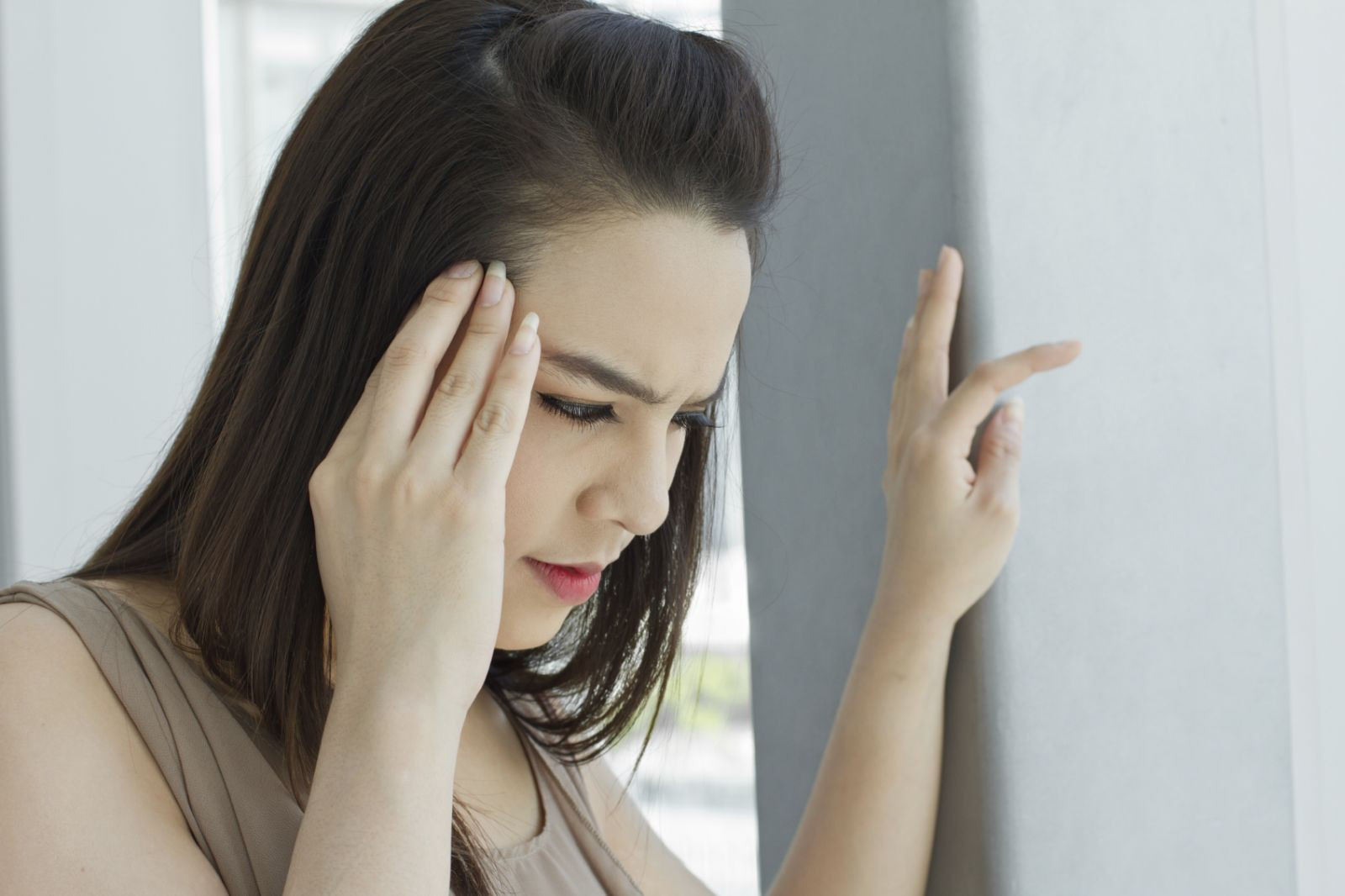
Lightheaded? Top 5 reasons you might feel woozy
Lightheadedness is a feeling of wooziness or faintness. It is commonly caused by dehydration, drug side effects, blood pressure drops, low blood sugar, heart disease, or stroke.

Seeking a second opinion: When, why, and how?
A second opinion from a cardiologist may be helpful for people considering whether to undergo a specialized heart procedure. Such consultations may be increasingly appropriate as new, minimally invasive treatments for various heart problems become more widely available and more specialized. Others who might seek a second opinion include people with heart-related symptoms that persist despite treatment, who have been told they have no more options.

For controlling blood pressure, telemedicine may beat clinic visits
Telemedicine visits combined with self-measured blood pressure readings may help control high blood pressure better than traditional clinic visits, according to a 2024 study.

Deep-vein blood clots: Are you at risk?
Every year, an estimated 600,000 people in the United States develop a blood clot deep inside the leg, known as deep-vein thrombosis. These clots usually develop in the lower leg, thigh, or pelvis but occasionally the arm. The affected area may be tender or painful, swollen, red or discolored, and warm to the touch. If a clot breaks free and travels to a lung, it can cause a pulmonary embolism. Symptoms of a pulmonary embolism include difficulty breathing that happens suddenly, a fast or irregular heartbeat, coughing up blood, and chest pain or discomfort, which usually worsens with a deep breath or coughing.

Combining cardio and strength exercises may lower heart risks
For improving cardiovascular risk, a workout that combines heart-pumping aerobic exercise and strength-based moves may be just as effective as an all-aerobic regimen, according to a 2024 study.

Update on atrial fibrillation
New guidelines for managing atrial fibrillation focus on lifestyle habits to prevent and control the disorder. One recommendation is for people to limit alcohol to one drink per day, or ideally less. Another is for people who are overweight or obese to lose weight, either by striving for a body mass index no greater than 27 or by shedding at least 10% of their body weight. The guidelines also suggest that people get three to four hours of exercise per week. And people with afib who snore should consider getting tested for sleep apnea.
Whole grains may improve several heart risk factors at once
Light exposure at night may raise risk for heart disease
Children of centenarians may stay healthier and live longer too, study finds
A lumbar belt may help ease low back pain
Signs of pneumonia: Sometimes vague and unexpected
Using a vibration plate: What it can — and can't — do for your body
The surprising link between ovarian cancer and the fallopian tubes
People who walk more or walk faster live longer, study finds
Rosacea treatments: What works?
For sleep apnea, a dental device may be as effective as CPAP
Free Healthbeat Signup
Get the latest in health news delivered to your inbox!
Sign Up
