

CoQ10: Should you take this popular supplement if you're on a statin?

Oat vs. dairy milk: Nutrition, benefits, and downsides

Microplastics: A hidden health threat?

Healing after food poisoning

What is tempeh? Benefits, nutrition, and how to use it

Light exposure at night may raise risk for heart disease

Whole grains may improve several heart risk factors at once

A lumbar belt may help ease low back pain

Children of centenarians may stay healthier and live longer too, study finds

Signs of pneumonia: Sometimes vague and unexpected
Healthy aging and longevity Archive
Articles

Baby, it's cold inside
Some older adults feel cold frequently. This may result from age-related physical changes or an underlying condition. Examples of underlying conditions that might make a person feel cold include anemia, an underactive thyroid, diabetic neuropathy, peripheral artery disease, or Raynaud's phenomenon. People who experience coldness that interferes with their daily activities or sleep should talk to a doctor about it.

Get back your social life to boost thinking, memory, and health
Staying socially active is associated with cognitive benefits and may play a role in longevity, stress reduction, and controlling mood. If a person has been out of touch with friends for a long time, one way to restart contact is to send a brief message asking how they're doing or recalling a shared activity. If the person reciprocates, the next step might be to suggest a meeting, ask to get together, or schedule a catch-up phone call or video chat.

Sleep paralysis: Causes, symptoms, and treatments
Sleep paralysis interferes with restful sleep and impacts emotional health for many people. While there is still much to learn about the condition, understanding the causes of sleep paralysis can help with treatment and prevention.

Rare and often aggressive, Merkel cell cancer is best caught early
Merkel cell cancer is a rare form of skin cancer that often spreads aggressively to other areas of the body. Here's what to know about it, including who is more likely to get it and how you can take steps to help prevent it.

The far-reaching effects of a little bit of weight loss
Losing 5% of one's total body weight can result in clinically significant physiologic changes. For example, losing a little weight can reduce heartburn, knee pain, blood pressure, and diabetes risk. Losing 5% of one's body weight may also lead to better sexual function, more restorative sleep, extra energy, and more self-esteem. To reach a 5% reduction in total body weight, it helps to exercise; eat a healthy diet rich in lean proteins, whole grains, fruits, vegetables, legumes, nuts, and seeds; and get enough sleep.
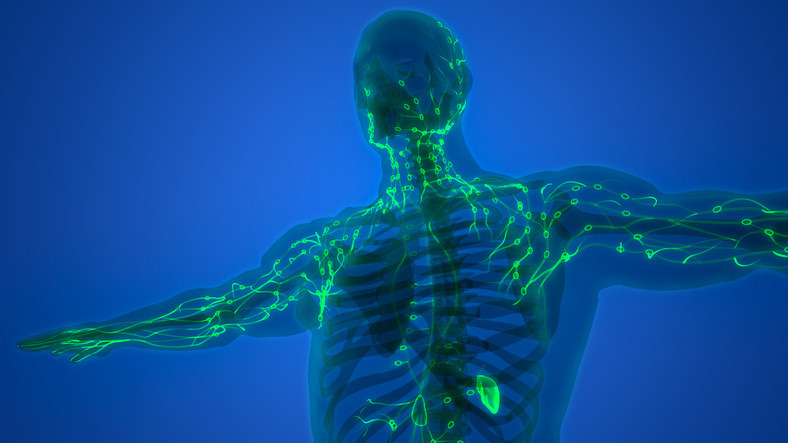
Wondering what your lymph nodes have done for you lately?
The human body has hundreds of lymph nodes, one part of the immune system that helps defend the body against health threats. They aren't usually noticeable, but they are always working to deal with potential health problems.

Getting over the fat phobia
There are several types of dietary fat. Some fats are unhealthy, such as trans fat and saturated fat. Polyunsaturated and monounsaturated fat are healthy.

Start moving with a fitness tracker
Fitness trackers accurately record objective data about physical activity, including the pace, distance, intensity, and duration of exercise. Knowing that something is keeping track of every move can motivate people to stick with a workout.

Malnutrition alert: Load your freezer with healthy foods
For older adults who can't always go to the store, it's smart to keep the freezer stocked with healthy, fresh foods all year through. Staples include a variety of proteins (meat, poultry, and seafood), fruits, and vegetables.
CoQ10: Should you take this popular supplement if you're on a statin?
Oat vs. dairy milk: Nutrition, benefits, and downsides
Microplastics: A hidden health threat?
Healing after food poisoning
What is tempeh? Benefits, nutrition, and how to use it
Light exposure at night may raise risk for heart disease
Whole grains may improve several heart risk factors at once
A lumbar belt may help ease low back pain
Children of centenarians may stay healthier and live longer too, study finds
Signs of pneumonia: Sometimes vague and unexpected
Free Healthbeat Signup
Get the latest in health news delivered to your inbox!
Sign Up
