

CoQ10: Should you take this popular supplement if you're on a statin?

Oat vs. dairy milk: Nutrition, benefits, and downsides

Microplastics: A hidden health threat?

Healing after food poisoning

What is tempeh? Benefits, nutrition, and how to use it

Light exposure at night may raise risk for heart disease

Whole grains may improve several heart risk factors at once

A lumbar belt may help ease low back pain

Children of centenarians may stay healthier and live longer too, study finds

Signs of pneumonia: Sometimes vague and unexpected
Healthy aging and longevity Archive
Articles

Health-savvy house hunting
When people house-hunt in their 50s and 60s, they should consider home features that enable them to age in place if they become less mobile. Such architectural details include fewer or no stairs, bright lighting, an open layout, cabinets that aren't too high, and bathrooms with step-in showers. Outside amenities are also important, including nearby health care facilities, stores, pharmacies, and parks. A vibrant community can expand people's social options and provide proximity to neighbors to call if needed.

Wrong-sized blood pressure cuff can throw off readings
Choosing the right cuff size for automated home blood pressure monitors can help ensure an accurate reading. A 2023 study found that using a “regular”-sized arm cuff with an automated device resulted in inaccurate blood pressure readings for people who needed a small, large, or extra-large sized cuff.

Simpler way to test for true penicillin allergy
A 2023 study found that an oral penicillin challenge in a doctor's office provides a simple method of determining true penicillin allergy.

Do more for your core
A strong core serves as the foundation for upper- and lower-body movements. It helps maintain a healthy posture and prevents back injuries and falls. Like all muscles, the core muscles weaken as people age, so it's important for people to do core exercises on a regular basis. The best core exercises are movements that activate as many of the core muscles as possible at one time. Some examples include planks, diagonal chops, and deadbugs.

The book on erotica
Older couples who have fallen into a sexual rut can try to spice things up—and perhaps strengthen your relationship in the process—by reading erotica that caters specifically to older adults. Reading and listening to erotic stories as a couple lets both parties explore fantasies in a safe environment and create an exciting atmosphere by encouraging couples to venture outside their comfort zone. Besides reading aloud to each other, couples can read on their own and share the experience or listen to erotic audiobooks and podcasts together.
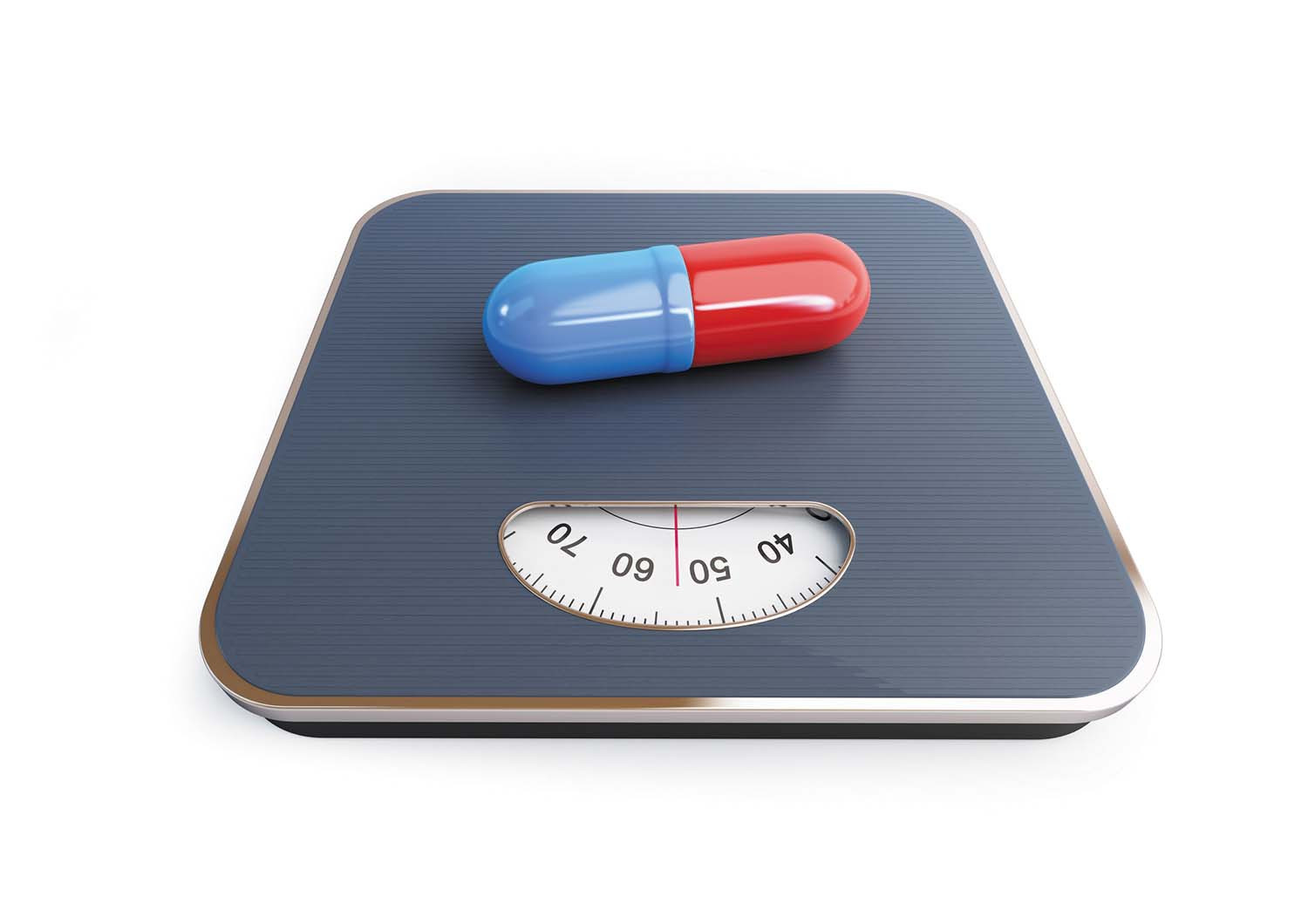
Understanding new weight-loss drugs
A newer class of medications used to treat type 2 diabetes called glucagon-like peptide-1 (GLP-1) receptor agonists has gained attention because of their impressive weight-loss results—in many cases, 10% to 20% of a person's body weight. Versions of two of these GLP-1 receptor agonists, liraglutide (Saxenda) and semaglutide (Wegovy), are FDA-approved for weight loss, even for people without diabetes. However, there isn't enough evidence to know whether these drugs might be beneficial or dangerous for people who are not diagnosed with diabetes or obesity.

Check out your skin
People should do a full-body skin check-up every three to six months to identify abnormalities that may be early signs of skin cancer or other skin problems. Write down the date of the self-exams, record any issues like new or questionable moles, sores, painful or itchy spots, raised or firm bumps, dark flaky patches, and unusual freckles. Include the exact locations of these skin issues and take photos for reference. After six to eight weeks, see a dermatologist if they have not improved, have changed color or size, have become painful, or easily bleed.

Why do medical guidelines change frequently?
Medical recommendations and guidelines, such as colon cancer screening, seem to change often. These contradictions in large part reflect different expert opinions based on the changing scientific information. Rely on your doctor to help determine how these changes may apply to you.

Cannabis use disorder may raise surgical risks
A 2023 study suggests that regular cannabis users have higher risks before, during, and after surgery, including the risk of heart attack, stroke, acute kidney injury, breathing difficulties, and blood clots.

Staying regular
"Regular" bowel movements can mean something different for each person. Some people have a bowel movement once or twice daily; for others, it's once or twice weekly. People should see a doctor if they notice a dramatic change in bowel habits or other symptoms, including fatigue, pain, unintended weight loss, bloody stool, or a change in stool consistency. People can promote digestion by maintaining a toileting schedule, heeding their body's signals, and using a toilet stool.
CoQ10: Should you take this popular supplement if you're on a statin?
Oat vs. dairy milk: Nutrition, benefits, and downsides
Microplastics: A hidden health threat?
Healing after food poisoning
What is tempeh? Benefits, nutrition, and how to use it
Light exposure at night may raise risk for heart disease
Whole grains may improve several heart risk factors at once
A lumbar belt may help ease low back pain
Children of centenarians may stay healthier and live longer too, study finds
Signs of pneumonia: Sometimes vague and unexpected
Free Healthbeat Signup
Get the latest in health news delivered to your inbox!
Sign Up
