

CoQ10: Should you take this popular supplement if you're on a statin?

Oat vs. dairy milk: Nutrition, benefits, and downsides

Microplastics: A hidden health threat?

Healing after food poisoning

What is tempeh? Benefits, nutrition, and how to use it

Light exposure at night may raise risk for heart disease

Whole grains may improve several heart risk factors at once

A lumbar belt may help ease low back pain

Children of centenarians may stay healthier and live longer too, study finds

Signs of pneumonia: Sometimes vague and unexpected
Healthy aging and longevity Archive
Articles

The art of a heartfelt apology
If you have upset someone, the best way to rectify the situation is by making a sincere, heartfelt apology. But just saying the words isn't quite enough: for an apology to be effective, it has to be genuine. You have to mean it, and you have to make that clear.

Thinking of trying Dry January? Steps for success
If you want to cut down on your alcohol consumption, or just want to start the new year on a healthy note, consider joining the Dry January challenge. Does a month seem like a long time? Here are steps you can take to improve your chances of success.

No-cost, low-cost, and bigger splurges for climate-conscious gifts
If you're looking for gifts to give or donate, climate-conscious gifts come in many guises and fit no-cost, low-cost, or big budgets. Gifts can directly support the environment, trim waste and fossil fuel use, or offer creative ways to connect, reuse, recyle — and possibly regift.


Several factors may cause testosterone levels to drop
A 2023 analysis suggests that men older than age 70 can fight declining testosterone levels by engaging more in healthy lifestyle behaviors like increasing exercise, losing weight, and managing high blood pressure.

Early morning exercise may be the best time for weight loss
A 2023 study found that people who exercise in the morning, specifically between 7 a.m. and 9 a.m., have a lower risk of obesity than those who are most active in the midday or evening.

Stay safe playing pickleball
Pickleball continues to soar in popularity, especially among older adults. Unfortunately, more playing can lead to court-related injuries, the most common being strains and sprains in the legs and knees, and wrist sprains and fractures from falls. Pickleball injury prevention is threefold: performing lower-body strength exercises, such as lunges, squats, and heel raises, at least twice a week; doing a dynamic warm-up before playing; and working on agility and balance, which can help improve footwork and reduce the risk of falling.
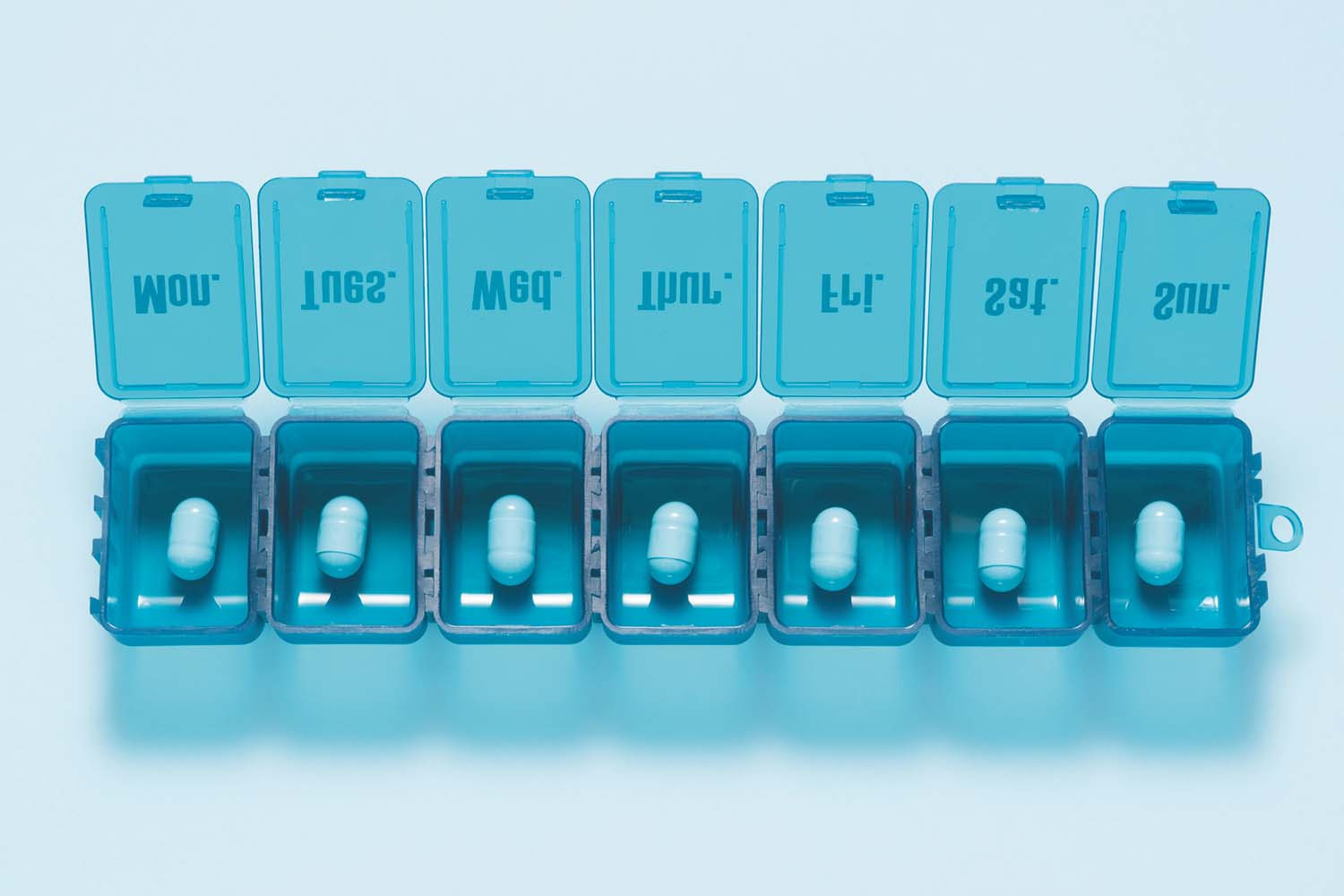
How can I reduce my number of daily medications?
Many people end up taking a long list of medications when they might be able to safely reduce the number of daily pills. Reviewing medications with their specialists and primary care doctor can help determine which drugs may be reduced or perhaps discontinued.

"Weekend warriors" can lower cardiovascular risks, too
A 2023 study suggests that a "weekend warrior" exercise pattern, in which people concentrate their exercise into one or two days weekly, can lower cardiovascular risks as effectively as a pattern of spreading exercise out over the week.
CoQ10: Should you take this popular supplement if you're on a statin?
Oat vs. dairy milk: Nutrition, benefits, and downsides
Microplastics: A hidden health threat?
Healing after food poisoning
What is tempeh? Benefits, nutrition, and how to use it
Light exposure at night may raise risk for heart disease
Whole grains may improve several heart risk factors at once
A lumbar belt may help ease low back pain
Children of centenarians may stay healthier and live longer too, study finds
Signs of pneumonia: Sometimes vague and unexpected
Free Healthbeat Signup
Get the latest in health news delivered to your inbox!
Sign Up
