

CoQ10: Should you take this popular supplement if you're on a statin?

Oat vs. dairy milk: Nutrition, benefits, and downsides

Microplastics: A hidden health threat?

Healing after food poisoning

What is tempeh? Benefits, nutrition, and how to use it

Light exposure at night may raise risk for heart disease

Whole grains may improve several heart risk factors at once

A lumbar belt may help ease low back pain

Children of centenarians may stay healthier and live longer too, study finds

Signs of pneumonia: Sometimes vague and unexpected
Healthy aging and longevity Archive
Articles

Seeking fitspiration on social media?
Fitspiration describes social media posts intended to inspire physical fitness and promote health. But is this type of motivation helpful? A recent study looked deeper into the trend.


Having a hobby tied to happiness and well-being
A 2023 study of 93,000 people ages 65 or older found that those who said they had hobbies reported having better health, more happiness, fewer depression symptoms, and higher life satisfaction, compared with those who said they didn't have hobbies.
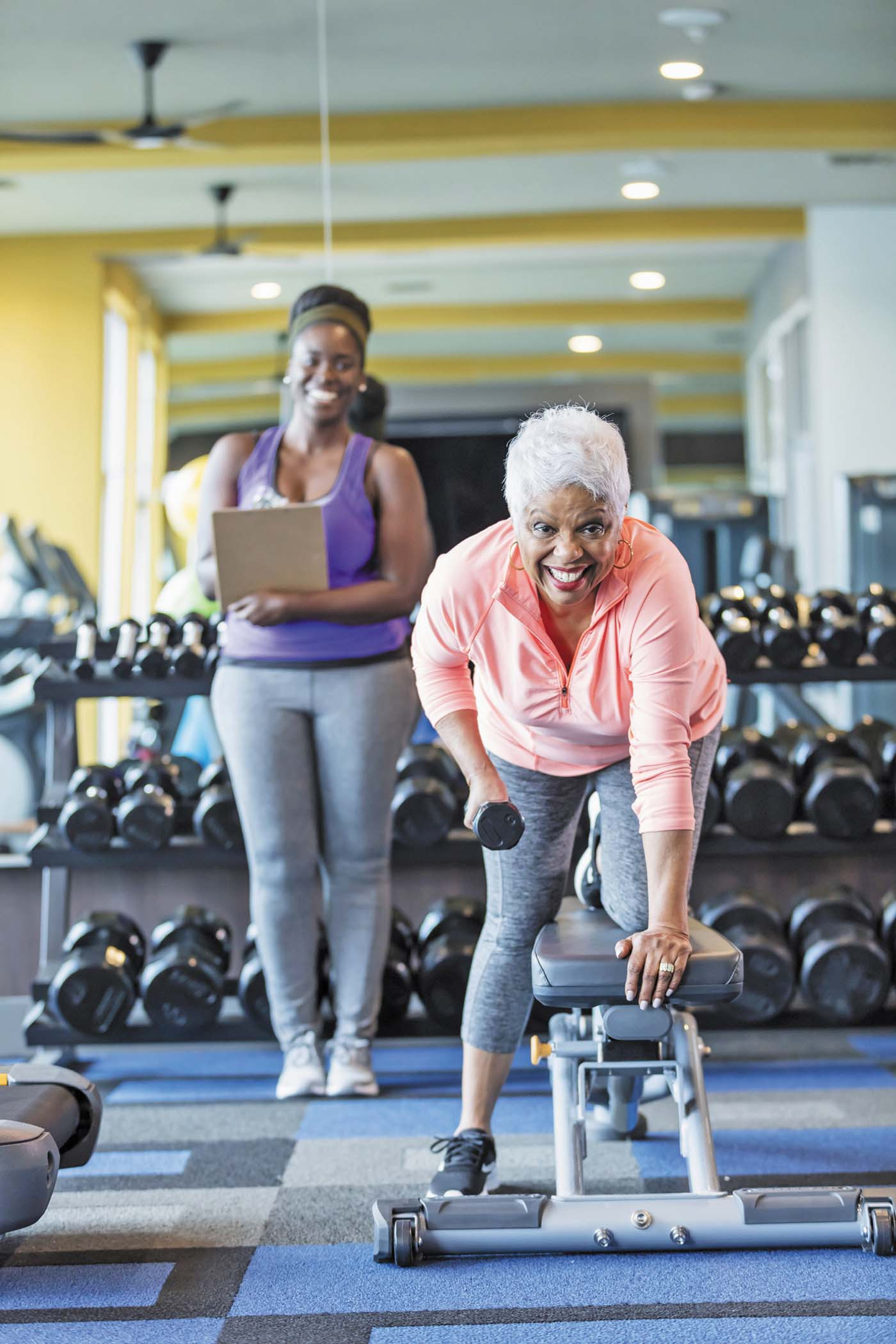
7 things your personal trainer wants you to know
It takes more than a weekly session with a personal trainer to maximize exercise benefits. Personal trainers recommend that people exercise in between training sessions; do strength training at the beginning of a workout; alternate the muscle groups that get a workout; challenge each muscle group with a variety of exercises; stretch regularly; eat a healthy diet to fuel the body; and exercise purposefully, with a strategic approach that moves them closer to their exercise goals.

Questions and answers about the new anti-obesity medications
They're the most effective drugs for weight loss to date. But they're expensive, scarce, and not right for everyone. Learn more about the latest batch of anti-obesity drugs.

Tips to navigate a "sleep divorce"
Some couples find that sleeping in separate rooms helps them get a better night's sleep. But before trying it, it's important to consider compromises to stay in the same room. For example, if one person snores, a doctor visit might be in order, and the other person might try wearing earplugs to better tolerate the sound. If separate bedrooms are the answer, it helps to make both sleeping spaces cozy, schedule time for intimacy, and regularly assess whether the arrangement is working for both partners.

What can I do about my "beer belly"?
Excessive beer drinking may play a role in men's experiencing expanding girth known as a "beer belly." However, most experts believe the two primary reasons are eating too many simple carbohydrates and getting less daily exercise.

Time for your annual health review
The start of a new year is always a great opportunity for people to re-engage with their health. One of the first steps is to conduct a personal health review. It's a way to measure where a person's health stands now, outline the goals, and create a strategy to reach them. A personal health review follows a three-step process: gathering all current health information, listing short- and long-term goals, and sharing everything with a doctor during a scheduled wellness visit.

Poor sleep linked to high blood pressure
In women, sleep problems-including falling asleep, staying asleep, and insufficient sleep-were associated with a greater risk of high blood pressure.

Should you worry about your waistline?
A large waistline - 35 inches or more in women or 40 inches or more in men - can signal the presence of visceral fat. Located deep within the abdominal cavity, visceral fat pads the space around the organs and is closely linked to cardiovascular problems. Getting regular exercise (both aerobic and strength-based) and following a healthy, reduced-carbohydrate diet can help reduce visceral fat. Time-restricted eating may also help.
CoQ10: Should you take this popular supplement if you're on a statin?
Oat vs. dairy milk: Nutrition, benefits, and downsides
Microplastics: A hidden health threat?
Healing after food poisoning
What is tempeh? Benefits, nutrition, and how to use it
Light exposure at night may raise risk for heart disease
Whole grains may improve several heart risk factors at once
A lumbar belt may help ease low back pain
Children of centenarians may stay healthier and live longer too, study finds
Signs of pneumonia: Sometimes vague and unexpected
Free Healthbeat Signup
Get the latest in health news delivered to your inbox!
Sign Up
