

CoQ10: Should you take this popular supplement if you're on a statin?

Microplastics: A hidden health threat?

Oat vs. dairy milk: Nutrition, benefits, and downsides

What is tempeh? Benefits, nutrition, and how to use it

Healing after food poisoning

Children of centenarians may stay healthier and live longer too, study finds

Light exposure at night may raise risk for heart disease

Whole grains may improve several heart risk factors at once

A lumbar belt may help ease low back pain

Signs of pneumonia: Sometimes vague and unexpected
Healthy aging and longevity Archive
Articles
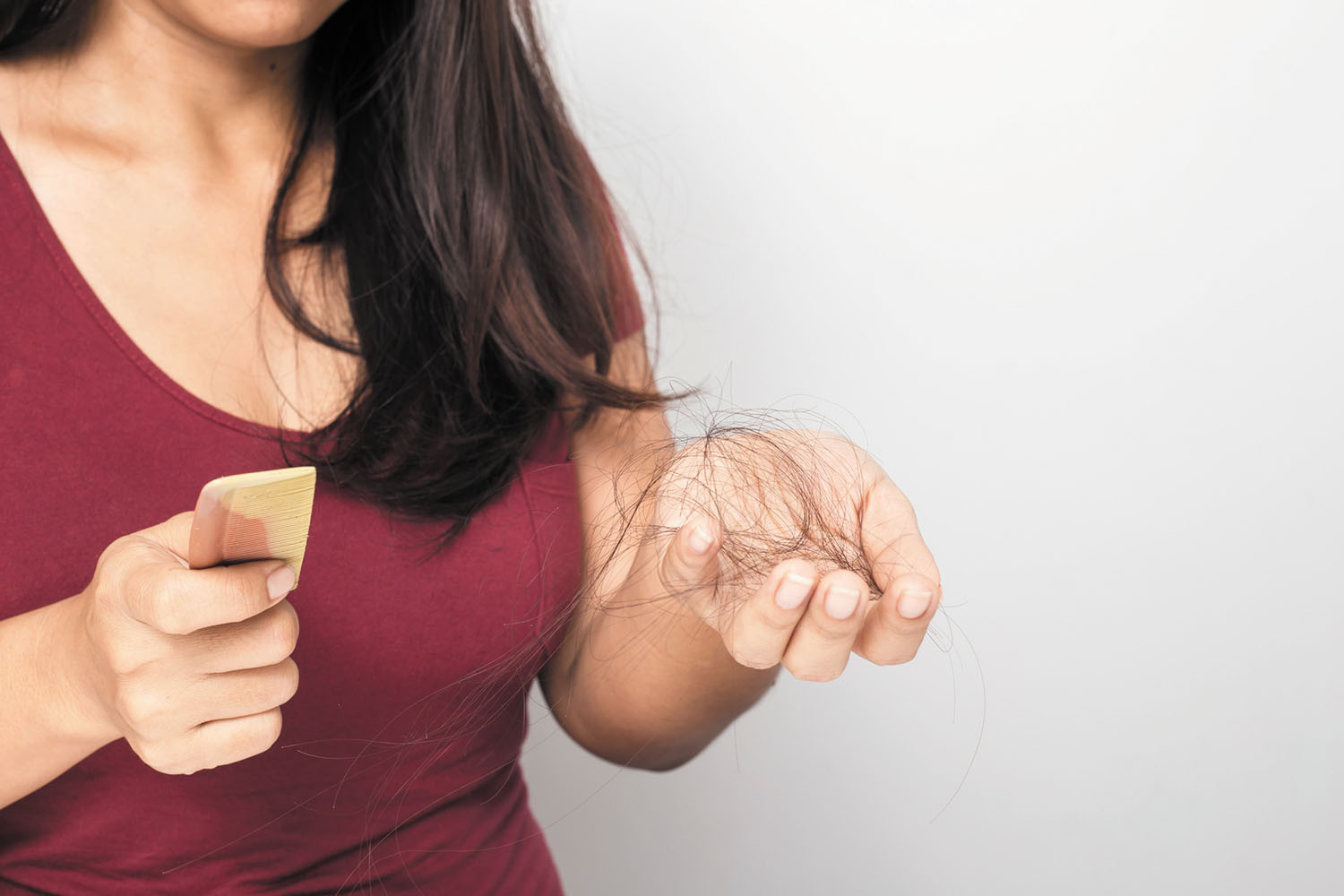
Platelet-rich plasma therapy may help counter balding
Research we're watching
If your hair has been thinning, an infusion of your body's own plasma may help grow it back, according to the American Academy of Dermatology.
A number of recent studies show that platelet-rich plasma (PRP) therapy is successfully regrowing lost hair. This includes a 2018 study in the International Journal of Women's Dermatology that found the technique was beneficial in treating androgenetic alopecia, a type of genetically and hormonally driven hair loss that affects as many as 35% of women by age 60.

Moisturizers: Do they work?
There are lots of dubious claims and mysterious ingredients, but yes, by trapping water, moisturizing can help with dry skin.
Dry skin by itself isn't a medical worry, although serious cases can result in cracks and fissures that invite infection and inflammation. The real issue is discomfort — dry skin can be sore, tender to the touch, and often itchy (although not all itchy skin is dry). There's also the red, rough, scaly appearance lamented in many advertisements for moisturizers.
This is one problem that hasn't suffered from lack of attention: there are dozens of creams and lotions for dry skin. They are sold as moisturizers, which is more of a marketing term than a medical or scientific one. Indeed, routine skin care is a realm where there's little science to be found. Well-controlled studies of ingredients are few and far between. Companies keep information about ingredients proprietary and are careful to limit claims for what the products do to stay within FDA rules.

Ask the doctor: Are raw oats better than cooked oats?
Q. My family has squabbled about oats for some time. Some members say that to get the biggest health benefit from oats you need to eat them raw, at room temperature, and moistened with water. Others say they should be cooked. Does cooking take something beneficial out of oats? Can you bring us some peace at breakfast time?
A. Eating a bowl of raw oats "moistened with water" doesn't sound all that appetizing. And I am not sure it makes sense from a nutrition perspective. Normal cooking takes little away from oats. In fact, cooking helps release some nutrients that your body can't extract from raw oats.


Exercise after age 70
There are no official fitness guidelines for older adults, but the basic exercises for senior are the same at every age.
The average 65-year-old can expect to reach her 85th birthday, and the average 75-year-old will live to age 87. How we'll celebrate those birthdays — as the life of the party or immobilized on the sidelines — has a lot to do with how we spend our time today. Although none of us can be certain that we'll be spared debilitating disorders that could rob us of our mobility, there's no doubt that regular exercise will help improve our ability to function at almost any age or level of fitness.
By the way, doctor: Will wearing glasses make my eyesight worse?
Q. I am starting to have trouble reading. But I have heard that wearing glasses to help me read will make my eyesight worse. Is that true?
A. This is a common question. Many people believe that glasses can make eyesight worse, but that's more myth than reality.

Undoing the harm: Tapering down from high-dose opioids
The CDC’s Guideline on Prescribing Opioids for Chronic Pain helps doctors and patients manage treatment at safe levels and avoid dependence. Any plan to taper medication dosage should be personalized to the patient’s needs.

Whole grains associated with longevity, say Harvard researchers
Regularly eating whole grains can help you lower “bad” cholesterol, triglycerides, and blood pressure. A diet rich in whole grains also “is associated with a lower risk of developing cardiovascular disease, type 2 diabetes, metabolic syndrome, and certain types of cancer,” says Dr. Qi Sun, an associate professor at Harvard Medical School.
In a study published in JAMA Internal Medicine, Sun and colleagues reported that eating whole grains may even extend your life. Sun used the diet information of more than 100,000 men and women whose health was followed for more than 20 years. The study found that those who regularly ate whole grains had a 9% lower overall death rate and a 15% lower death rate from heart disease.

Steps to stay independent when you live alone
Image: Thinkstock
Safety, socializing, and helpful services enhance your ability to stay at home longer.
Living alone in our older years can be a challenge and a risk. There's no one in the house to call paramedics if you get hurt, and there's no one sitting at the dinner table for conversation or companionship. Isolation can lead to a decline in thinking skills and to an increased risk for depression.
While there are many tools to help you reduce the risks of living alone, implementing them may be easier said than done. "The misconception is that any acceptance of help is somehow the beginning of a slippery slope into dependence and losing control of your life," says Barbara Moscowitz, a geriatric social worker at Harvard-affiliated Massachusetts General Hospital. "We need to reframe what will help us remain independent and accept the tools to help us. Make a choice to enhance your ability to live alone. See assets and positives, not signs of weakness."
CoQ10: Should you take this popular supplement if you're on a statin?
Microplastics: A hidden health threat?
Oat vs. dairy milk: Nutrition, benefits, and downsides
What is tempeh? Benefits, nutrition, and how to use it
Healing after food poisoning
Children of centenarians may stay healthier and live longer too, study finds
Light exposure at night may raise risk for heart disease
Whole grains may improve several heart risk factors at once
A lumbar belt may help ease low back pain
Signs of pneumonia: Sometimes vague and unexpected
Free Healthbeat Signup
Get the latest in health news delivered to your inbox!
Sign Up
