

CoQ10: Should you take this popular supplement if you're on a statin?

Oat vs. dairy milk: Nutrition, benefits, and downsides

Microplastics: A hidden health threat?

Healing after food poisoning

What is tempeh? Benefits, nutrition, and how to use it

Light exposure at night may raise risk for heart disease

Whole grains may improve several heart risk factors at once

A lumbar belt may help ease low back pain

Children of centenarians may stay healthier and live longer too, study finds

Signs of pneumonia: Sometimes vague and unexpected
Healthy aging and longevity Archive
Articles




By the way, doctor: Does carbonated water harm bones?
ARCHIVED CONTENT: As a service to our readers, Harvard Health Publishing provides access to our library of archived content. Please note the date each article was posted or last reviewed. No content on this site, regardless of date, should ever be used as a substitute for direct medical advice from your doctor or other qualified clinician.
Q. I've heard that club soda, seltzer water, and sparkling mineral waters rob the bones of calcium. Is this true?

Ask the doctor: Is vinegar good for the arteries?
Q. I've heard that apple cider vinegar can clean out the arteries. Is there any truth to that?
A. If you believe the stories written about apple cider vinegar, it is a miracle cure for just about anything that ails you, from curbing the appetite to detoxifying the body, boosting the immune system, treating arthritis, and improving circulation. That's a tall order for a brew made from fermented apples. But there's no evidence to back up most of these apple cider vinegar claims.

Should I worry about my fast pulse?
Q. My pulse is usually on the fast side. Does a high heart rate mean I have a problem with my heart?
A. In otherwise healthy people, I don't usually worry about the heart rate unless it is consistently above 100 beats per minute at rest. Heart rates that are consistently above 100, even when the patient is sitting quietly, can sometimes be caused by an abnormal heart rhythm. A high heart rate can also mean the heart muscle is weakened by a virus or some other problem that forces it to beat more often to pump enough blood to the rest of the body.
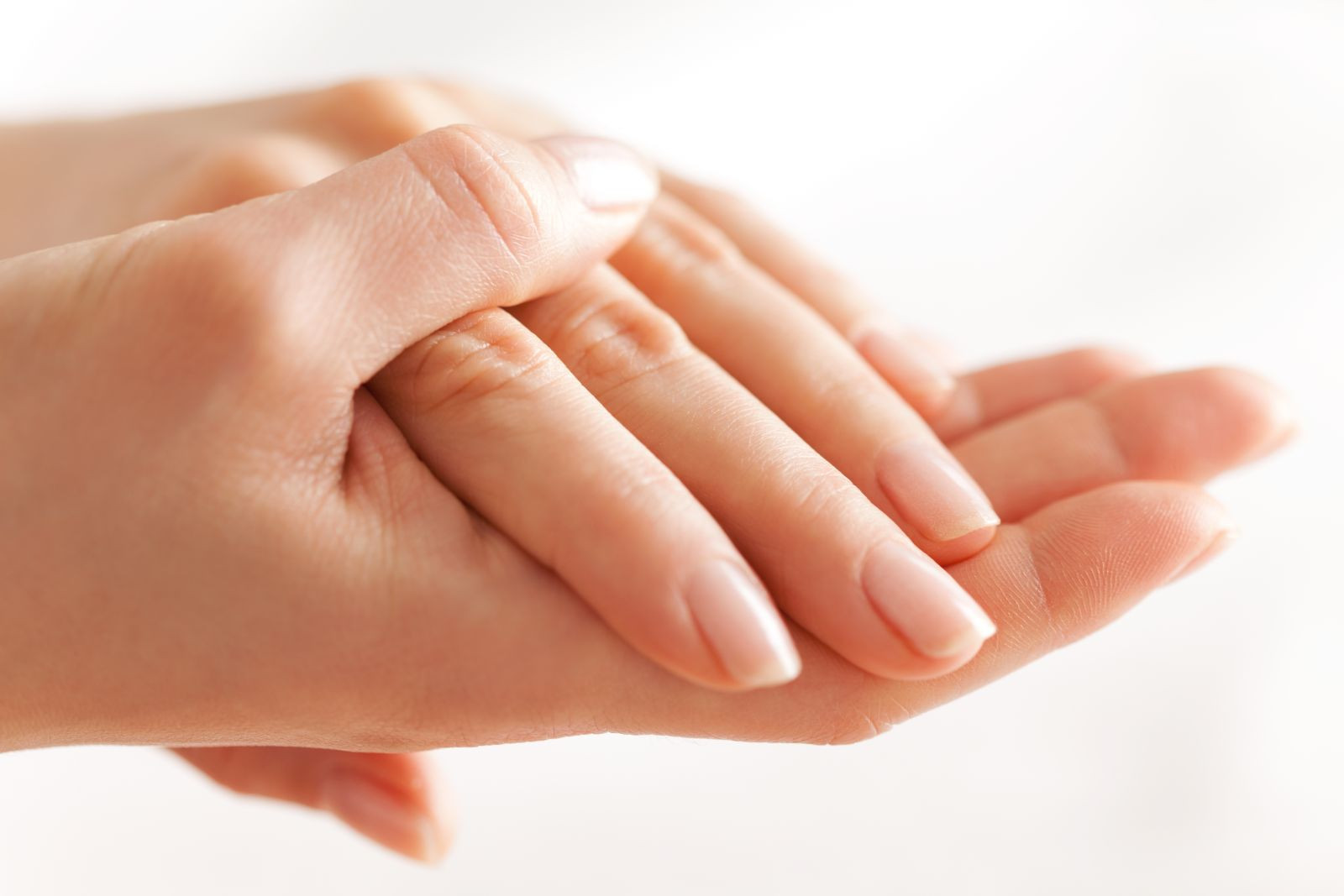
By the way, doctor: What causes Beau's lines?
Q. You wrote about weak, brittle fingernails with longitudinal ridges. I have strong nails with horizontal ridges. What causes this, and what can I do about it?
A. You may be referring to Beau's lines, which are grooves that run horizontally across the nail plate. They usually develop when nail plate growth, which begins in the nail matrix (located under the cuticle), is temporarily disrupted. This can occur with direct injury to the nail matrix; an inflammatory condition such as psoriasis; infection around the nail plate; repetitive picking at the nails or cuticles; or even a manicure. Systemic causes include a common side effect of chemotherapy, nutritional deficiencies, illnesses accompanied by high fever, metabolic conditions, and diminished blood flow to the fingers (from Raynaud's phenomenon, for example).

Stay active, even with stiff ankles
Exercise and stretch daily to keep ankles flexible.
Ankle stiffness can do a number on your mobility. It can make it difficult to remain active or even get out of bed in the morning and walk across the room. "Motion restriction usually occurs more in the upward than downward direction, so it becomes harder to walk uphill, wear flat shoes, or keep feet pointed straight ahead," says Dr. Christopher DiGiovanni, chief of foot and ankle surgery at Harvard-affiliated Massachusetts General Hospital.
A tricky joint
The ankle is a vulnerable structure. It's made of the ends of the lower leg bones (the tibia and fibula), which hold the talus bone of the foot in between them. The joint is stabilized by ligaments and powered by muscles that work in concert to enable ankle and foot motion and accommodate uneven surfaces when you stand or walk.

What's in your frozen treat?
Do a little detective work before digging into that dessert.
Treating yourself to a small dish of an icy dessert used to be simple: we had a limited number of dessert types and flavors available, like chocolate ice cream or orange sherbet. Today there are so many options at the grocery store you may feel a brain freeze before you even take a bite.
You'll find ice cream, frozen custard, frozen yogurt, sherbet, and gelato. It may be full fat, reduced fat, low fat, nonfat, low carbohydrate, or sugar-free.
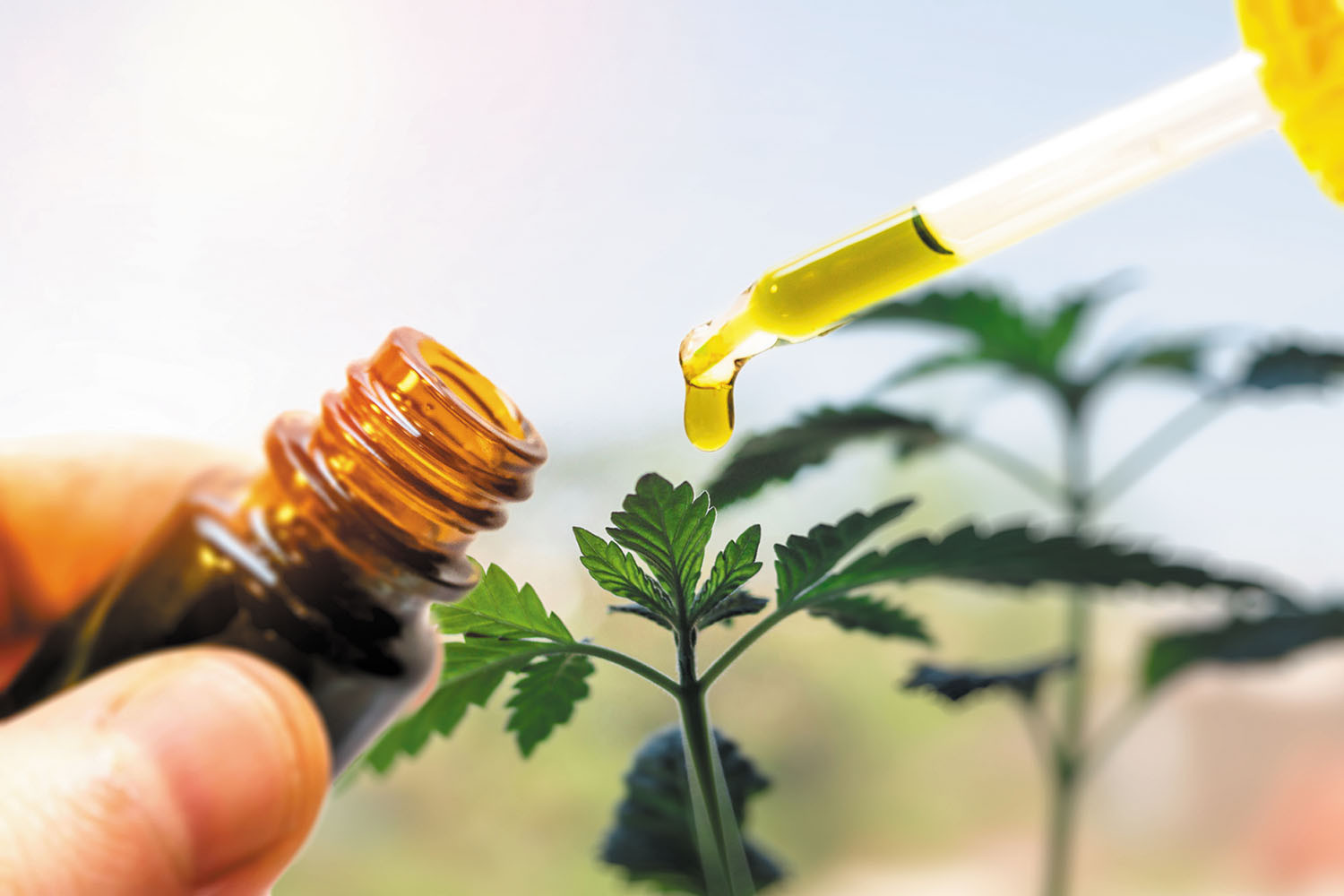
Answers to the top questions about cannabis extract
Sales of cannabidiol-infused products are expected to top $2 billion by 2021. But is CBD right for you?
Cannabidiol (CBD) is touted as a natural wonder that can help treat symptoms of everything from anxiety to arthritis pain. The plant extract comes from two varieties of cannabis — hemp and marijuana — and is available in creams, tinctures, oils, patches, gummy bears, capsules, and more. You can even add CBD to a latte if you walk into a coffee shop in some cities.
But is CBD safe for older adults? There haven't been a lot of large studies of CBD's safety, but more traditional medicines for pain and anxiety are not free of adverse effects, either. "I think CBD is likely safer than many other treatments people use for pain, insomnia, or anxiety," says Dr. Peter Grinspoon, a primary care physician with Harvard-affiliated Massachusetts General Hospital. Other physicians don't think we know enough about the safety profile of CBD to be sure.
CoQ10: Should you take this popular supplement if you're on a statin?
Oat vs. dairy milk: Nutrition, benefits, and downsides
Microplastics: A hidden health threat?
Healing after food poisoning
What is tempeh? Benefits, nutrition, and how to use it
Light exposure at night may raise risk for heart disease
Whole grains may improve several heart risk factors at once
A lumbar belt may help ease low back pain
Children of centenarians may stay healthier and live longer too, study finds
Signs of pneumonia: Sometimes vague and unexpected
Free Healthbeat Signup
Get the latest in health news delivered to your inbox!
Sign Up
