

Even a little exercise linked with lower stroke risk in people with afib

Testosterone therapy without evidence of deficiency may boost heart risk

Weight-loss drug may lower risk of heart attacks and infections

What to eat on the DASH diet

Migraine: How it's diagnosed and what that means

Tricep workouts you can do at home

Mindfulness practices to reduce stress and improve focus

Antihistamines may not offer meaningful relief from eczema symptoms

Overweight and taking blood pressure medications: Study finds it's a trend that's working

FDA approves first mRNA-based flu vaccine
Hair loss (alopecia) Archive
Articles

Red light therapy for skin care
Red light therapy involves using devices that emit red or near-infrared light aimed at the skin. It is believed to reduce inflammation and boost production of collagen. Research suggests it can improve an array of skin problems, including fine lines, dark spots, redness, slow-healing wounds, scars, and acne. Unlike ultraviolet light, red light therapy isn't associated with greater risks for skin cancer. Scientists are still determining the optimal doses of red light therapy for various skin conditions.

A look at nail problems
Toenail fungus, ingrown toenails, and brittle or cracked fingernails are common nail problems that affect older adults. They can make hands and feet unsightly and sometimes even painful. Treating these problems and preventing them from returning often takes a trial-and-error approach, diligence, and patience. Strategies include a combination of home remedies, over-the-counter medication, and good hygiene and grooming habits.

Fresh-faced through the years
With age, people develop brown spots, wrinkles, and sagging skin. Women are more likely than men to invest money and time to look younger. Sun protection and a variety of skin care products can help, including those containing alpha-hydroxy acids, retinols, vitamin C, and hyaluronic acid. Minimally invasive cosmetic procedures can also ease signs of aging. These include injections of botulinum toxin (Botox) or hyaluronic acid, laser treatments, and chemical peels. Skin care and treatments should be customized to each person.

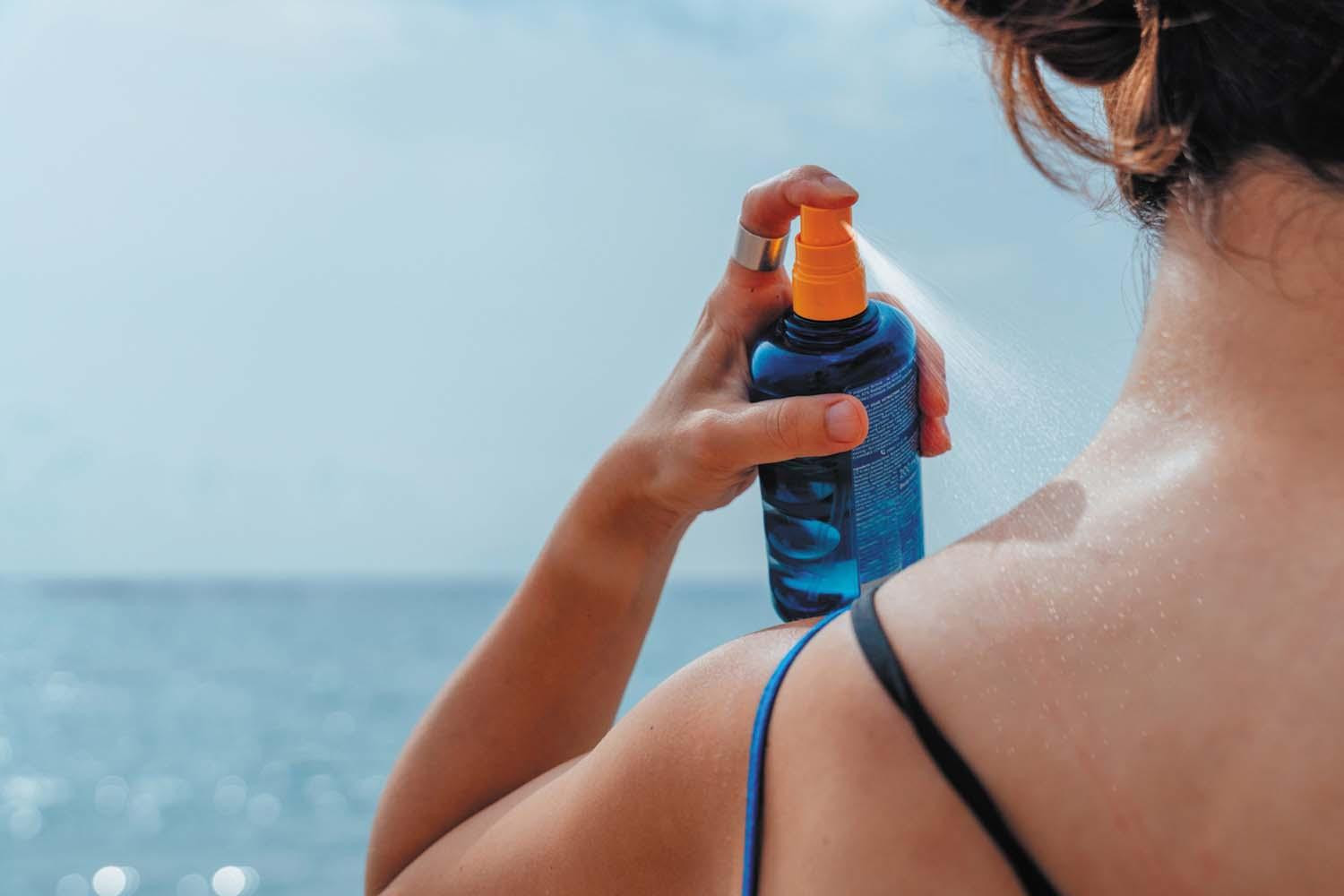
Does spray-on sunscreen work as well as lotion?
Spray-on sunscreens can be as effective as lotion-based sunscreens for protecting skin from harmful ultraviolet light. People using sunscreen sprays should make sure skin appears wet and shiny where they've sprayed and rub the product in before it dries.


A hair-pulling disorder
Trichotillomania is a mental health disorder characterized by frequent, irresistible impulses to pull hair from the scalp or anywhere else on the body. It often results in embarrassing bald patches that people with the condition try to conceal. About one in 50 people has trichotillomania, and women are diagnosed and treated for it more often than men are. People with the disorder may pull hair when faced with stressors such as tension, loneliness, or fatigue. Among people who eat pulled hair, complications such as hairballs can be life-threatening.

Do collagen supplements fulfill their promises?
The protein collagen supports skin, hair, nail, bone, joint, and muscle health. As people age, natural collagen production drops. Some early research suggests collagen supplements offer benefits, but people should ask their doctor about the pros and cons.

Can nail polish harm my nails?
Wearing nail polish does not harm nails. However, doing so for long periods can dry out the surface, prompting chalky, white patches to form. Removing nail polish with acetone-based products can also dry out the nails and surrounding skin.
Even a little exercise linked with lower stroke risk in people with afib
Testosterone therapy without evidence of deficiency may boost heart risk
Weight-loss drug may lower risk of heart attacks and infections
What to eat on the DASH diet
Migraine: How it's diagnosed and what that means
Tricep workouts you can do at home
Mindfulness practices to reduce stress and improve focus
Antihistamines may not offer meaningful relief from eczema symptoms
Overweight and taking blood pressure medications: Study finds it's a trend that's working
FDA approves first mRNA-based flu vaccine
Free Healthbeat Signup
Get the latest in health news delivered to your inbox!
Sign Up
