

Even a little exercise linked with lower stroke risk in people with afib

Testosterone therapy without evidence of deficiency may boost heart risk

Weight-loss drug may lower risk of heart attacks and infections

What to eat on the DASH diet

Migraine: How it's diagnosed and what that means

Tricep workouts you can do at home

Mindfulness practices to reduce stress and improve focus

Antihistamines may not offer meaningful relief from eczema symptoms

Overweight and taking blood pressure medications: Study finds it's a trend that's working

FDA approves first mRNA-based flu vaccine
Hair loss (alopecia) Archive
Articles
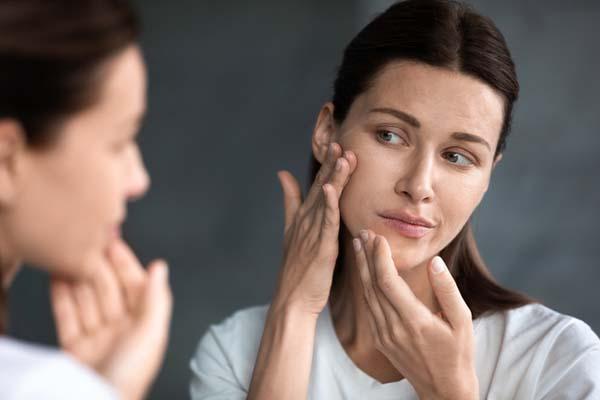
Could steroid creams or hormone problems be causing my excess hair growth?
Discover how steroid creams, hormones, thyroid issues, and other conditions might drive new hair growth and when to seek a doctor’s advice.
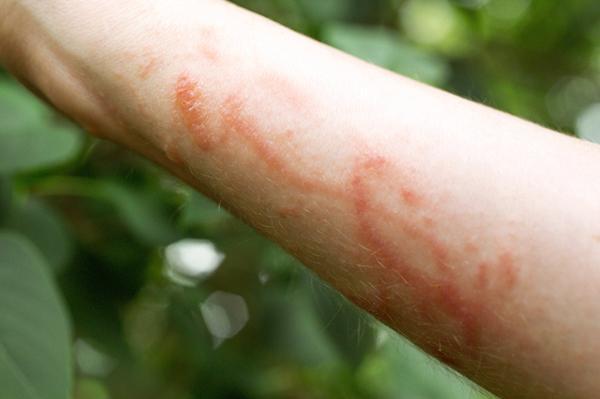
Poison ivy rash: Symptoms, treatment, and prevention
Poison ivy rash is a red, blistering, itchy skin reaction caused by contact with the oily resin of the poison ivy plant. Quickly washing any exposed skin and contaminated clothing, tools, pets, or gear may help reduce the risk of a reaction. For a mild rash, home remedies and over-the-counter medications can help soothe symptoms; stronger prescription drugs can help heal more severe cases.

Poison ivy: Scratchin' like a hound?
Misconceptions about poison ivy are common - from when you can get it to how you might get it, and the best ways to treat it. Knowing the facts can help you avoid it, or treat it properly if you are exposed to it.
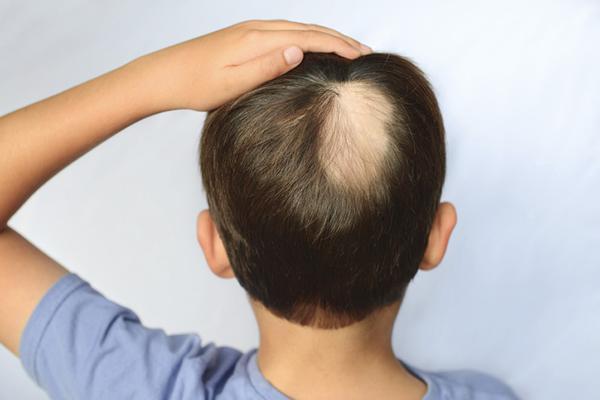
What could cause hair loss in a preteen boy?
Bald spots or thinning hair in pre‑teen boys can happen for a number of reasons. These include scalp infections, tight hairstyles, immune conditions, or stress.
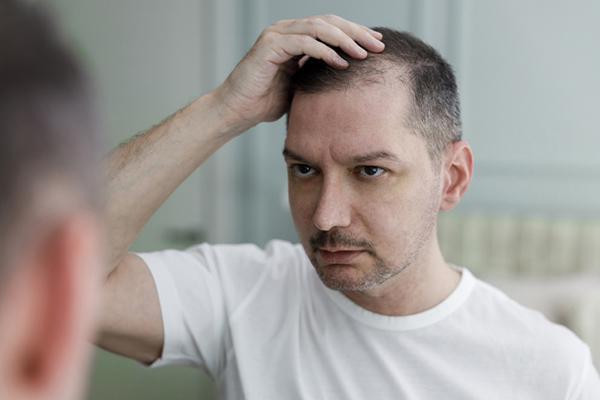
Can insufficient protein intake cause hair loss?
Severe protein malnutrition can trigger hair shedding, but most thinning of hair stems from genes, hormones, illness, or medications rather than daily protein intake.
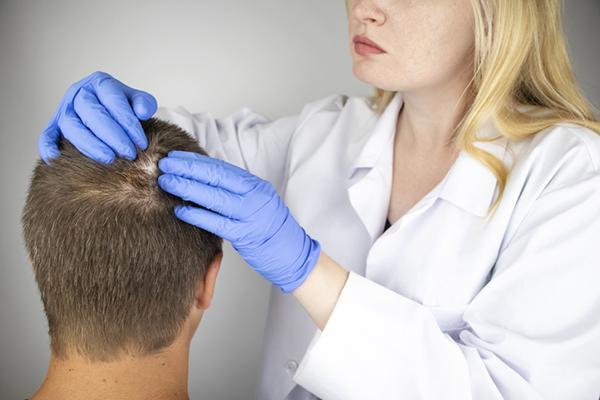
What can cause hair loss in small patches?
Small bald spots can result from stress, but not always. Patchy loss can reflect hereditary patterns, alopecia areata, fungal infection, or scalp disease.
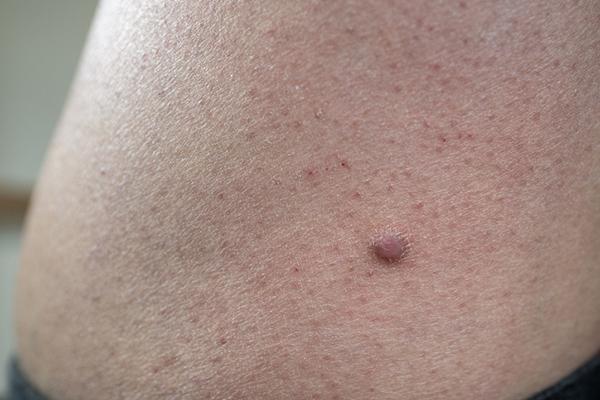
What is a dermatofibroma and how can I prevent a recurrence?
These small, firm skin bumps are usually benign and often appear on the legs. Learn why they form, how they’re removed, and sun‑safety basics to help prevent another one.
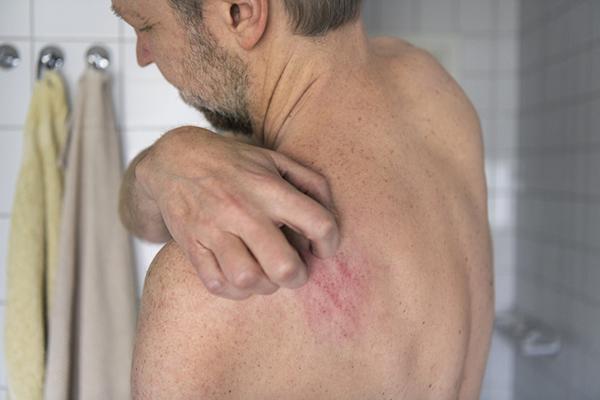
What is neurodermatitis and how is it treated?
Years of relentless itching and thickened skin may reflect an itch‑scratch cycle. Creams alone may fall short and broader treatment may be needed.

It's not too late to save thinning hair
Treatment for hair loss depends on the type of hair loss a person is experiencing. Sudden hair loss often gets better on its own once an underlying condition is treated. Gradual hair thinning caused by aging or genetics may stop or start to reverse with topical medications, oral medications, supplements, laser light treatments, or injections of platelet-rich plasma. And for any of these approaches, the key is starting them as soon as hair loss is detected. Once hair follicles stop working, the only option to restore hair is hair transplant surgery.
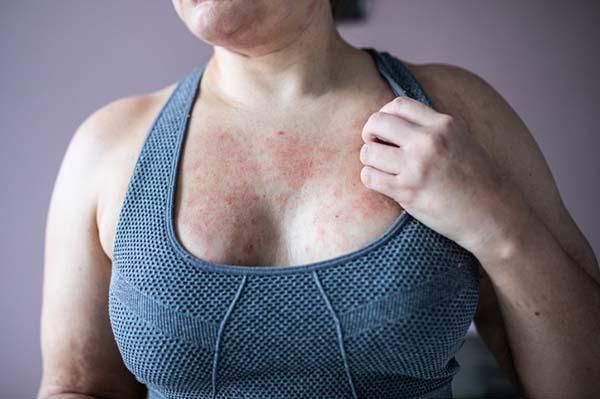
What causes painful, itchy bumps on the skin after sweating?
Painful, itchy bumps that appear on the chest or back with sweating may signal a heat-related skin reaction that often improves with simple care.
Even a little exercise linked with lower stroke risk in people with afib
Testosterone therapy without evidence of deficiency may boost heart risk
Weight-loss drug may lower risk of heart attacks and infections
What to eat on the DASH diet
Migraine: How it's diagnosed and what that means
Tricep workouts you can do at home
Mindfulness practices to reduce stress and improve focus
Antihistamines may not offer meaningful relief from eczema symptoms
Overweight and taking blood pressure medications: Study finds it's a trend that's working
FDA approves first mRNA-based flu vaccine
Free Healthbeat Signup
Get the latest in health news delivered to your inbox!
Sign Up
