

Even a little exercise linked with lower stroke risk in people with afib

Testosterone therapy without evidence of deficiency may boost heart risk

Weight-loss drug may lower risk of heart attacks and infections

What to eat on the DASH diet

Migraine: How it's diagnosed and what that means

Tricep workouts you can do at home

Mindfulness practices to reduce stress and improve focus

Antihistamines may not offer meaningful relief from eczema symptoms

Overweight and taking blood pressure medications: Study finds it's a trend that's working

FDA approves first mRNA-based flu vaccine
Hair loss (alopecia) Archive
Articles

Menopause marketing: Hype vs. truth
An array of "menopause skin care" products joined the beauty market in recent years. Some contain virtually the same active ingredients as "anti-aging" skin products. Falling estrogen levels during the menopause transition can lead to dryness and sagging. Broad-spectrum sunscreen, moisturizers, and other products can help offset these skin changes, but not prevent or cure them. Women should examine a product's ingredients to determine if a "menopause" version is truly different from a standard "anti-aging" version.

The best sun-protective clothing
Sun-protective clothes are made of materials that shield your skin from harmful ultraviolet (UV) rays. The most effective fabrics for the job have high thread counts, are tightly woven, and are dark or bright colors (which absorb light). Examples include polyester, nylon, lightweight wool, or canvas. Many clothing manufacturers now use high-tech fabrics for sun-protective garments. Some wick away moisture and dry quickly. Some are embedded with chemicals used in sunscreens (such as zinc oxide and titanium dioxide). High-tech fabrics offer at least as much protection as regular densely woven fabrics, and maybe more.

How to get rid of warts
Warts are an unsightly nuisance that can take a year or more to go away on their own. Several effective, noninvasive treatments are available.

Swimming and skin: What to know if a child has eczema
Swimming is a great activity for children, but for children with the allergic skin condition known as eczema, swimming can be complicated. Taking steps to protect skin before and after a swim can help.

Is biting my nails really that bad?
Nail-biting can introduce germs into people's mouths that can cause a range of illnesses, including colds or salmonella. The habit also creates tiny fissures in skin that can become infected. People who bite their nails should occupy their mouth and hands with other tasks.

Winning the skin game
As people age, earlier sun damage to the skin, especially on the face and neck, shows up as dry skin, wrinkles, and age spots. While much of this sun damage occurred in the past, people can take steps later to reverse some of it. Adopting a three-step daily skin care routine—washing, moisturizing, and applying sunscreen—is the best way to treat existing skin problems, maintain healthy skin, and protect against future harm.

Considering collagen drinks and supplements?
Celebrities and influencers claim that consuming collagen could have miraculous benefits for skin, hair, and nails. But what does the science say?

Fighting the most common skin cancers
The most common non-melanoma skin cancers are basal cell carcinomas and squamous cell carcinomas. They aren’t usually life-threatening, but they can be quite dangerous. They can bleed, hurt, and eat away at skin. If left untreated, they can erode through important structures like the nose, eyes, bones, or muscles. If they become very large, they can spread, and in rare cases cause death. Treatment ranges from scraping out skin cancers with surgical tools to Mohs surgery, a procedure that spares as much healthy skin as possible.
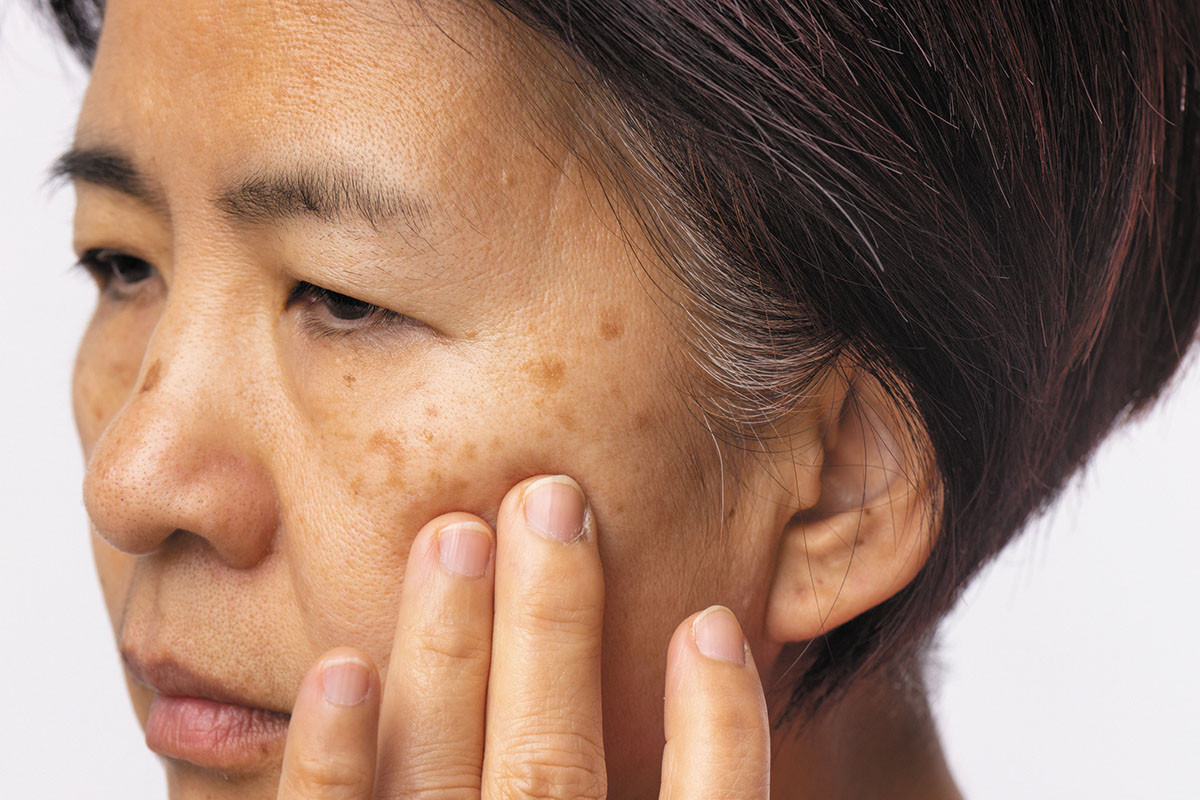
A mask that's hard to shed
Melasma, which causes dark patches on the face, is far more prevalent in women than in men. Dubbed the "mask of pregnancy," melasma triggers include not only pregnancy but also hormonal fluctuations, genetics, and sun exposure. People with darker skin are more prone to it. Melasma is typically treated with topical products that lighten the skin or slough off cells. Laser treatments and chemical peels, however, may worsen melasma. Sunscreen use can help prevent flares.

Why won't my hives go away?
Hives are red, itchy welts that crop up on the skin. Allergic reactions and stress, among other triggers, can cause episodes of hives, which typically last several days to a couple of weeks. Cases that last six weeks or longer may be autoimmune hives.
Even a little exercise linked with lower stroke risk in people with afib
Testosterone therapy without evidence of deficiency may boost heart risk
Weight-loss drug may lower risk of heart attacks and infections
What to eat on the DASH diet
Migraine: How it's diagnosed and what that means
Tricep workouts you can do at home
Mindfulness practices to reduce stress and improve focus
Antihistamines may not offer meaningful relief from eczema symptoms
Overweight and taking blood pressure medications: Study finds it's a trend that's working
FDA approves first mRNA-based flu vaccine
Free Healthbeat Signup
Get the latest in health news delivered to your inbox!
Sign Up
