

Even a little exercise linked with lower stroke risk in people with afib

Testosterone therapy without evidence of deficiency may boost heart risk

Weight-loss drug may lower risk of heart attacks and infections

What to eat on the DASH diet

Migraine: How it's diagnosed and what that means

Tricep workouts you can do at home

Mindfulness practices to reduce stress and improve focus

Antihistamines may not offer meaningful relief from eczema symptoms

Overweight and taking blood pressure medications: Study finds it's a trend that's working

FDA approves first mRNA-based flu vaccine
Hair loss (alopecia) Archive
Articles

Eating disorders in midlife
By age 40, one in five women has dealt with an eating disorder, twice the proportion of women known to be affected by age 21. Risks for anorexia, bulimia, and binge eating can rise at midlife due to job stressors, an empty nest, and dating again after divorce or widowhood. Health effects can include bone loss, heart problems, lung conditions, gastrointestinal issues, diabetes, and skin breakdown. Signs of an eating disorder include dramatic weight fluctuations, excessive exercising, and preoccupation with weight, calories, and body size and shape.
More fallout from COVID-19
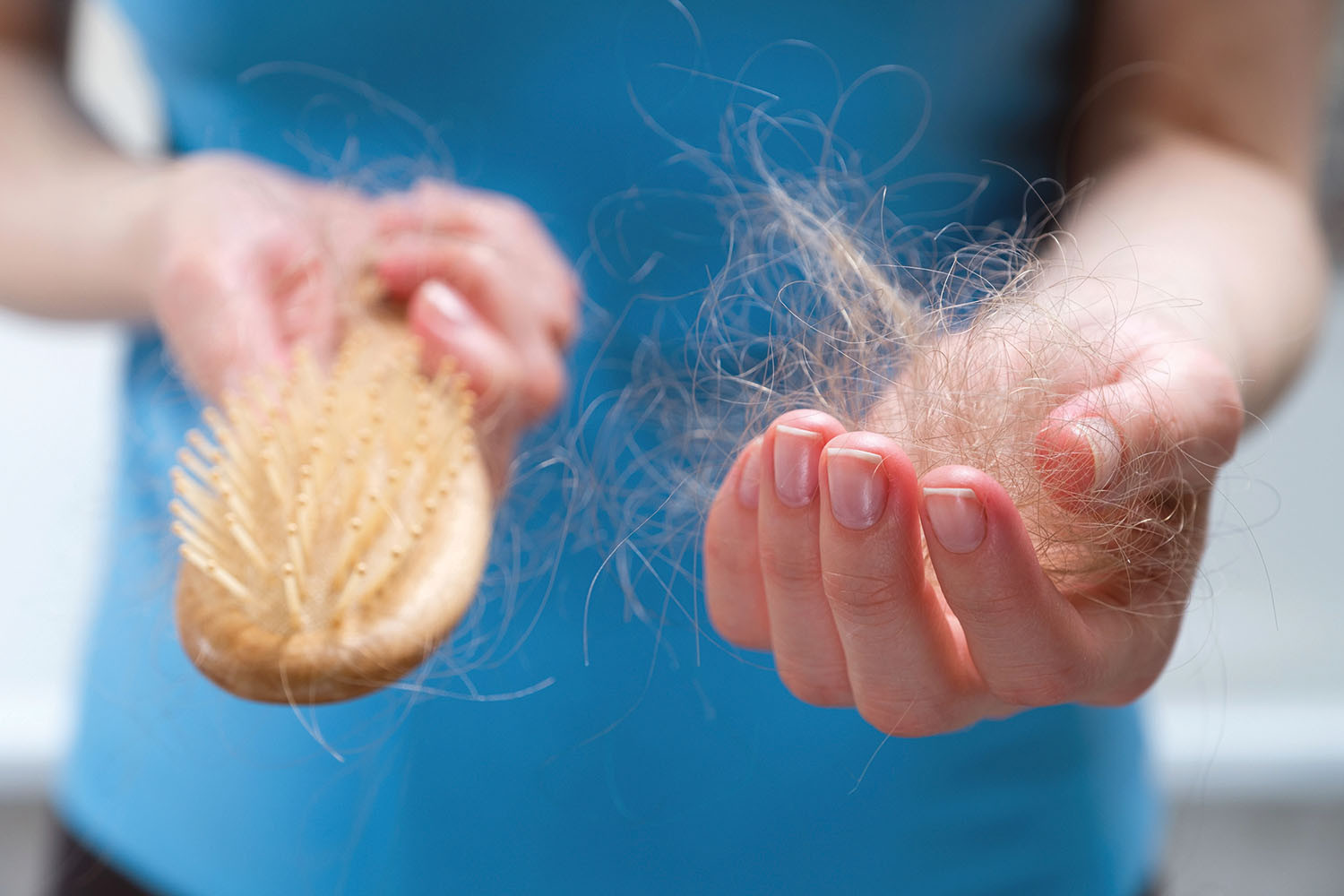
Hair loss is common in the months after recovering from COVID-19 infection. It can also happen in people with long COVID or because of mental stress from the pandemic. COVID-related hair loss is a form of telogen effluvium, a condition in which normal hair shedding ramps up after intense physical or mental trauma. Hair regrowth usually takes six to 12 months. People can speed and support hair regrowth by avoiding harsh hair habits, checking nutrient levels, and applying minoxidil (Rogaine) to the scalp.

Harvard Health Ad Watch: A new injection treatment for eczema
Existing treatments for a type of eczema called atopic dermatitis include creams and ointments, some containing steroids. An ad for a new injected medication pitches its skin-clearing capability, but that isn't the whole story.

Beyond hot flashes
Around menopause, a decline in estrogen can trigger low-grade inflammation that leads to unexpected symptoms from head to toe. Symptoms can affect the digestive tract, skin, joints, eyes, ears, and heart, among other areas. A 2022 study found that estrogen loss can even fuel the jaw pain known as temporomandibular disorder. A year or longer can pass before many women connect symptoms with menopause. Women can take lifestyle measures to lower inflammation, such as eating more fruits and vegetables, avoiding processed foods, and exercising.

Monkeypox: An unfamiliar virus spreading fast — sound familiar?
More than two years after COVID-19 reached the US, an outbreak of monkeypox is spreading fast outside of Africa. This virus is not new, and it's likely to be less dangerous than COVID, but it's still important to be aware of its symptoms, spread, treatment, and prevention.

Melasma: What are the best treatments?
Melasma is a skin condition affecting mostly women with darker skin. It cannot be fully prevented in those most likely to develop it, and there is no cure, but consistent sunscreen use is critical, and numerous treatment options are available.

Recognizing and preventing sun allergies
There are several types of "sun allergies," including polymorphous light eruption (PMLE), hives, and photoallergic reactions. Learn about these different reactions to sun exposure, as well as prevention and treatment.

You don't say? Does that tickle?
Ticklishness falls into two categories: gargalesis (which produces laughter and squirming) and knismesis (the sensation of a feather brushing over the skin, also known as light-touch tickling). It is not clear why some people are ticklish, but it may be a bonding or protective reaction.

Adult female acne: Why it happens and the emotional toll
Women are more likely to get acne after age 20 than men. Unfortunately, treatment options that worked in the teenage years may not work as well in adult females. The emotional toll of acne may include a higher risk of developing depression, and having severe acne can negatively affect quality of life.

Why do I burn even if I'm slathered in sunscreen?
People can get sunburned even with sunscreen on, particularly if they use old sunscreen or certain drugs and skin care products that leave skin vulnerable. People should stay out of the sun at midday, wear a hat and sunglasses, and frequently apply sunscreen with SPF 30 or higher.
Even a little exercise linked with lower stroke risk in people with afib
Testosterone therapy without evidence of deficiency may boost heart risk
Weight-loss drug may lower risk of heart attacks and infections
What to eat on the DASH diet
Migraine: How it's diagnosed and what that means
Tricep workouts you can do at home
Mindfulness practices to reduce stress and improve focus
Antihistamines may not offer meaningful relief from eczema symptoms
Overweight and taking blood pressure medications: Study finds it's a trend that's working
FDA approves first mRNA-based flu vaccine
Free Healthbeat Signup
Get the latest in health news delivered to your inbox!
Sign Up
