










What causes dark patches after skin irritation?
Ask the expert
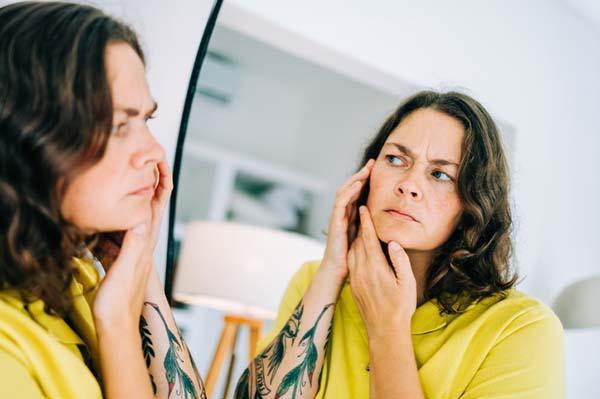
Q. My skin sometimes gets dark patches, even those areas not exposed to the sun, like my underarms, behind my knees, and inner thighs. It usually happens after an itchy irritation. Sometimes the dark color stays and will not fade. Why does this happen? Is there anything I can do to get the dark area back to its normal color?
A. Skin darkening after irritation is called post-inflammatory hyperpigmentation. This is a common occurrence and is part of your body's natural healing process. For example, acne bumps are at first pink or red, and then change to darker colors before they go away completely. Scratching your skin can cause pink, scaly patches that turn brown before going away. Post-inflammatory hyperpigmentation also occurs in areas of friction where skin rubs against skin, such as under the arms and on the inner thighs.
The dark color may stay for several months before fading. Areas of chronic friction, such as the upper thighs in people who are overweight, may remain pink or brown as long as the irritation continues. The skin will usually return to its normal color if the irritation stops, although fading to the normal color may take many months.
Prevention is the best medicine for post-inflammatory hyperpigmentation, so try to eliminate any skin irritation that starts the process. On small areas, such as acne bumps that have turned brown, lightening creams can be helpful. These creams should be used only on very limited areas and only as directed by your physician.
Image: © Olga Pankova/Getty Images
Disclaimer:
As a service to our readers, Harvard Health Publishing provides access to our library of archived content. Please note the date of last review or update on all articles.
No content on this site, regardless of date, should ever be used as a substitute for direct medical advice from your doctor or other qualified clinician.


