










Could steroid creams or hormone problems be causing my excess hair growth?
Ask the doctor
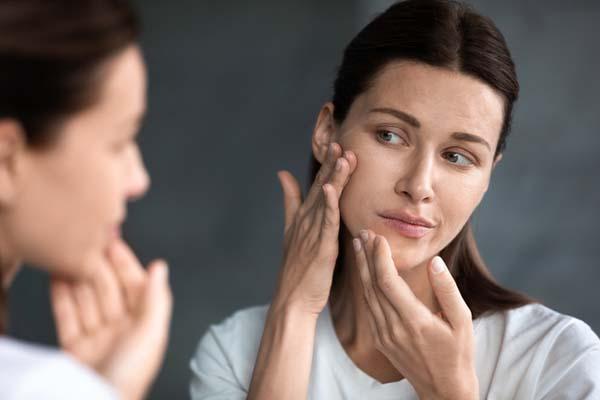
Q. I am a young woman with excess hair growth. I have a long history of eczema and used daily topical steroids for many years. I read that topical steroids might be the reason. But what else might it be?
A. If what you have is excessive hair growth on areas where you regularly applied the topical steroids, that probably is the reason. It’s called hypertrichosis. In this condition, the hairs are fine, light, soft, and short — like peach fuzz. The hair growth usually stops (eventually) after the medication is no longer applied. In some cases, the problem can persist for a long time.
Now there are excellent other treatments for eczema. If you can stop the cortisone applications, it should be become less noticeable over time.
Since you did not describe where the excess hair growth appeared, other causes to consider include:
Hypertrichosis affecting wider skin areas, unrelated to topical steroids, can happen if people need to take daily oral corticosteroids like prednisone, have an underactive thyroid gland (hypothyroidism), or make too much growth hormone in adulthood.
Hirsutism: Women with hirsutism have an excessive growth of hair on the face and other areas of the body where normally there is no hair or limited hair growth. The excess hair often occurs on the upper lip, chin, chest, and around the nipples. The hair is usually dark and coarse. A tendency towards hirsutism is often inherited (familial hirsutism).
The underlying cause of hirsutism can also be due to an excess of androgen, a male hormone. This happens commonly in women with polyendocrine metabolic ovarian syndrome (PMOS), the new name for polycystic ovary syndrome (PCOS). Much less often, hirsutism is related to adrenal gland conditions. Obesity itself can accelerate the growth of these coarse, darker hairs.
Because there are many underlying causes of excessive hair growth, it is important to see your doctor. Your doctor can evaluate and treat any underlying medical problem that may be contributing to the condition. Your doctor can also discuss options for hair removal.
Image: © fizkes/Getty Images
Disclaimer:
As a service to our readers, Harvard Health Publishing provides access to our library of archived content. Please note the date of last review or update on all articles.
No content on this site, regardless of date, should ever be used as a substitute for direct medical advice from your doctor or other qualified clinician.


