Aldosterone overload: An underappreciated contributor to high blood pressure

Can you retrain your brain to stop excessive drinking?

Beyond statins: New ways to lower LDL cholesterol

What is a cardioversion procedure?

For now, electric cars appear safe for people with implanted heart devices

Can you stop blood thinners after an ablation for atrial fibrillation?

Reversing prediabetes may slash heart disease risk by half
Waking up to urinate at night affects blood pressure

Finding and fixing a stiff, narrowed aortic valve

VO2 max: What it is and how you can improve it
Exercise & Fitness Archive
Articles

What you can gain by exercising longer and harder
New evidence indicates that more frequent and more vigorous activity can turn back the biological clock.
Fifteen minutes of vigorous exercise or 30 minutes of moderate activity several times a week can reduce your risk of cardiovascular disease, obesity, diabetes, cancer, depression, and dementia. But according to recent studies, exercising even more vigorously for longer periods may have additional benefits by taking years off your biological age. It does so by increasing aerobic capacity—the amount of oxygen you can take in and distribute to your tissues in a minute. "Some studies have indicated that people in their 80s who exercised at high intensity for 20 to 45 minutes a day have an aerobic capacity of people 30 years younger," says Dr. J. Andrew Taylor, director of the cardiovascular research laboratory at Harvard-affiliated Spaulding Rehabilitation Network.

How to banish aches and pains
Gentles tretching adds benefit to your fitness routine, but make sure to warm up first. |
A variety of physical activities and regular stretching can rid you of routine discomfort.

In the journals: Even a little daily exercise is good for healthy aging
|
Guidelines recommend 150 minutes a week of moderate exercise, but an estimated 60% of older Americans fall short. Still, even with a relatively low dose of daily exercise, men and women ages 60 and older were at a 22% lower risk of death over 10 years, according to a study in the British Journal of Sports Medicine (BJSM). The study was observational, however, so although it strongly links exercise to longer life, it can't prove that one causes the other.

Marching orders: How to start a walking program
Walking with a friend or spouse may help you stick to your fitness goals. |
This simple activity is one of the best ways to protect your heart.
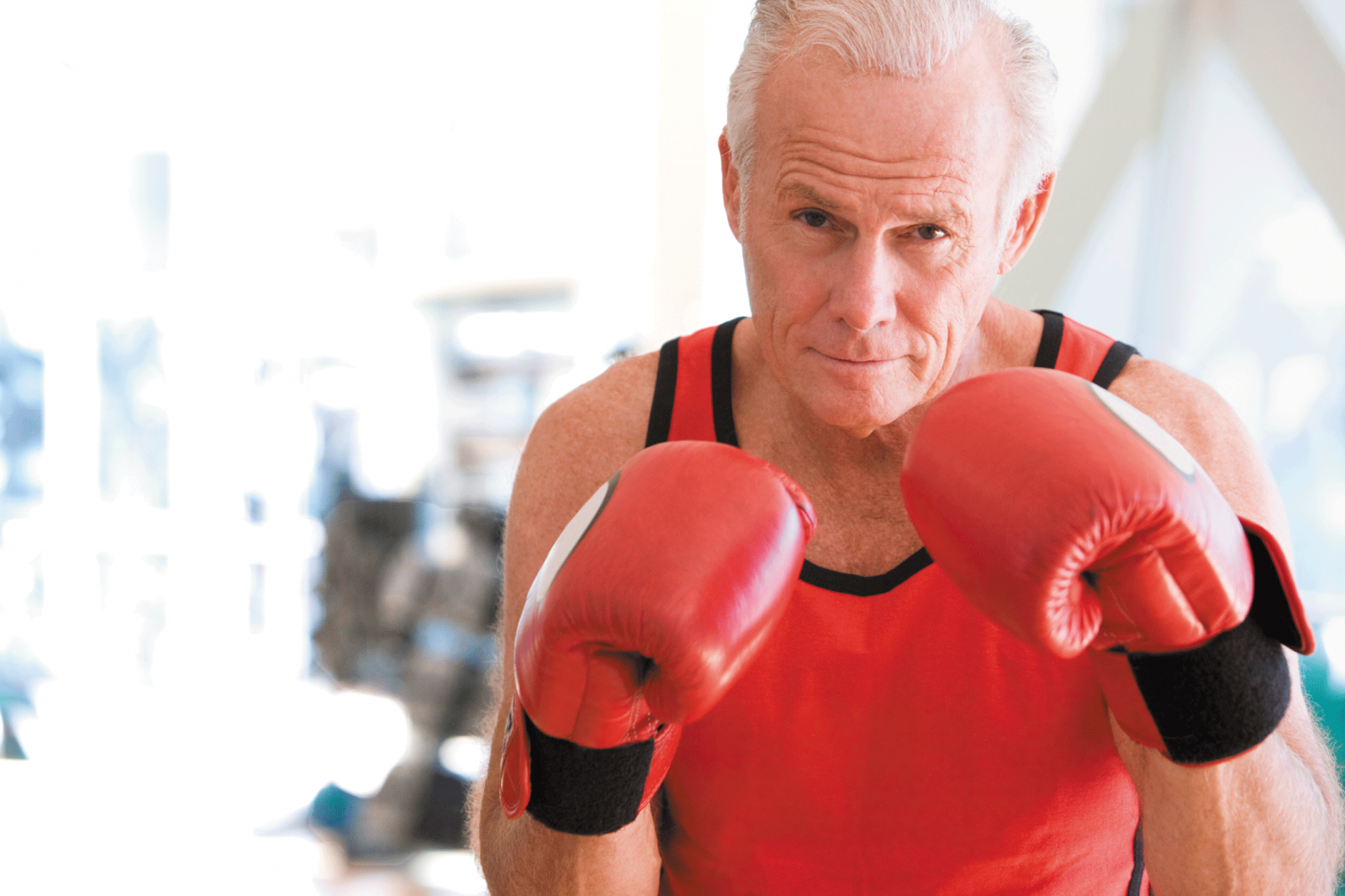
Punch up your exercise routine with fitness boxing
Fitness boxing gives you the benefits of a traditional boxing workout without the risks of taking punches or suffering head trauma. |
This adapted version of the sport can help improve your strength, endurance, and balance.
When you think of boxing, you may picture greats like Rocky Marciano duking it out with Jersey Joe Walcott. But boxing isn't just a sport anymore. It's also a popular way to stay fit among older adults, through a version known as fitness boxing. There's no getting into a ring or taking any punches, so there's no risk of head trauma. Instead, fitness boxing has adapted the movements of the sport into exercise routines. "This kind of boxing has many health benefits, because it constantly requires you to think, change your position, and change your posture," says physical therapist Linda Arslanian, director of rehabilitation services at Harvard-affiliated Brigham and Women's hospital.

Injuries are up among older cyclists
|
Take note if you enjoy going for a bike ride for fun and exercise: the number of injuries and hospital admissions among older bicycle riders has made a startling jump. A study described Sept. 1, 2015, in The Journal of the American Medical Association found that from 1998 to 2013, the number of cyclists ages 45 and older seeking treatment for bicycle-related injuries rose 81%, and the number of hospital admissions among the same group was up 66%. Researchers attribute the numbers to an increase in older bike riders, more street accidents, and sport cycling. If you want to go for a ride, remember to wear a helmet to protect your head; make sure your bike is a good fit, with an inch or two of clearance between you and the cross bar; ride in the bike lane, if available; and wear neon and fluorescent colors or clothing made of reflective material, so you'll be visible to drivers.

Should postmenopausal women boost their aerobic exercise time?
Among 400 postmenopausal women who were previously inactive, those who did 300 minutes per week of moderate or high intensity exercise had more success at reducing total fat after one year than those who exercised for 150 minutes per week.

5 tips for getting started with a walking program
Image: Canstock
Looking to get started with an easy and affordable exercise plan? Don't overlook walking. Walking is usually safe for people of any age or level of fitness and can easily be adjusted to a comfortable speed. It doesn't jar joints or raise your heart rate to dangerous levels. For a greater challenge, you can add time, distance, or hills — or try incorporating higher-intensity intervals or resistance bands.
Follow these tips to get the best workout from your walks:
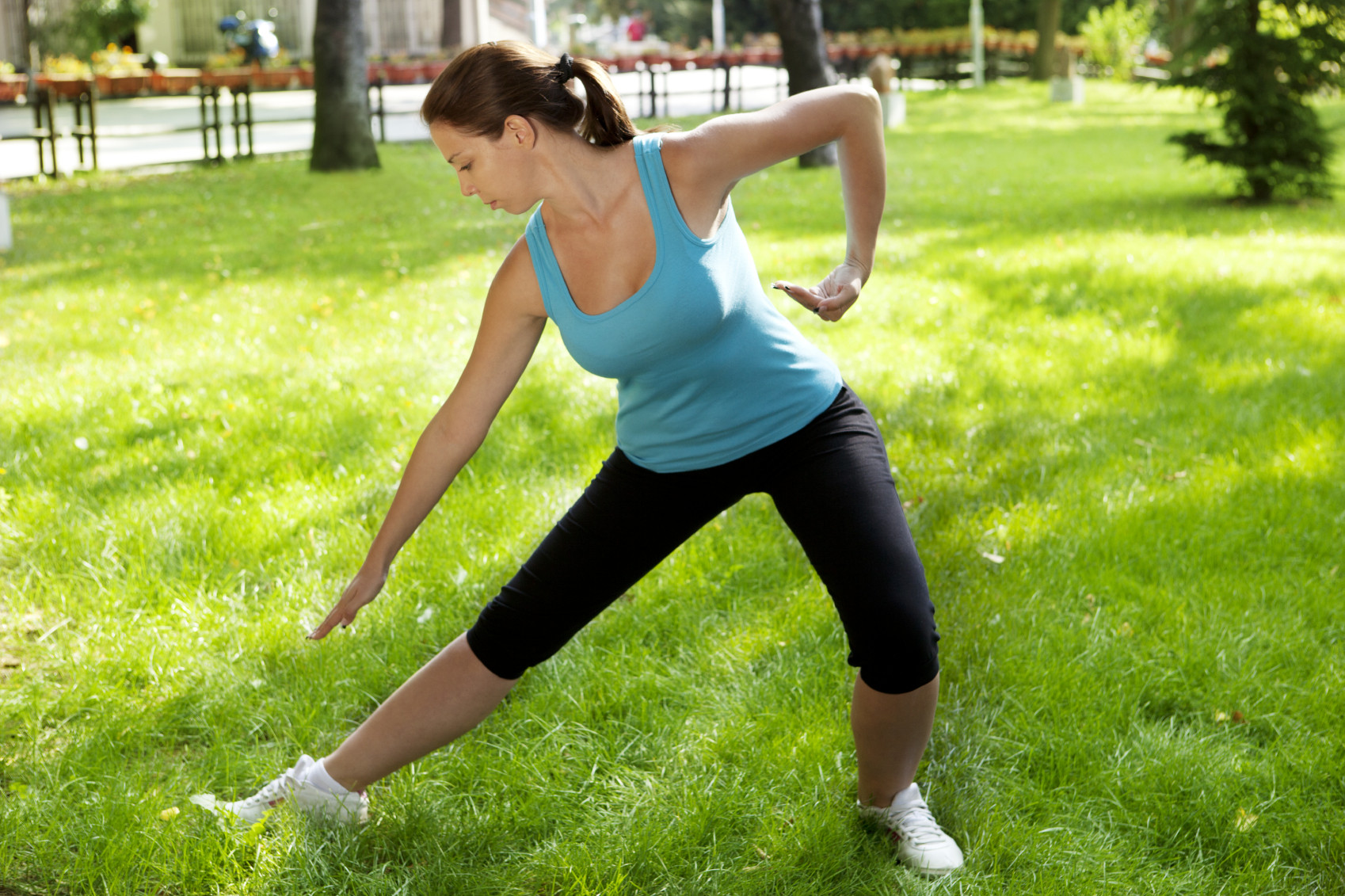
Tai chi can improve life for people with chronic health conditions
Tai chi has become popular in the United States in recent years, thanks in part to growing evidence for its many health benefits. This ancient Chinese exercise not only improves balance and flexibility, it may prevent falls, ease pain, and even help your heart. A recent analysis of 33 studies of tai chi suggests that doing tai chi can help older adults with common, long-term health conditions move about more easily and enhance their quality of life. The quality of life improvements may stem from the meditative, mind-calming aspects of tai chi.
Vigorous exercise may counter cognitive decline in early Alzheimer's
Reports at the Alzheimer's Association International Conference in July 2015 verified that women are at higher risk than men for developing Alzheimer's, and also progress more rapidly from mild cognitive impairment to out-right dementia than men do. But not all the news was bad. A study reported at the meeting indicates that physical exercise can halt, and even reverse, the decline in people with mild cognitive impairment.
In that study, conducted by researchers at Wake Forest University in North Carolina, 65 previously sedentary women and men with mild cognitive impairment exercised at peak capacity for at least 45 minutes four times a week for six months. At the beginning and end of the study, researchers tested participants' cognitive skills and examined their blood and cerebrospinal fluid for levels of tau protein—a principal component of the amyloid plaques associated with Alzheimer's disease. They found that the participants scored significantly higher on the cognitive tests at the end of the study than they had at the beginning. Their tau protein levels had declined substantially as well.
Aldosterone overload: An underappreciated contributor to high blood pressure
Can you retrain your brain to stop excessive drinking?
Beyond statins: New ways to lower LDL cholesterol
What is a cardioversion procedure?
For now, electric cars appear safe for people with implanted heart devices
Can you stop blood thinners after an ablation for atrial fibrillation?
Reversing prediabetes may slash heart disease risk by half
Waking up to urinate at night affects blood pressure
Finding and fixing a stiff, narrowed aortic valve
VO2 max: What it is and how you can improve it
Free Healthbeat Signup
Get the latest in health news delivered to your inbox!
Sign Up