Aldosterone overload: An underappreciated contributor to high blood pressure

Can you retrain your brain to stop excessive drinking?

Beyond statins: New ways to lower LDL cholesterol
What is a cardioversion procedure?

For now, electric cars appear safe for people with implanted heart devices

Can you stop blood thinners after an ablation for atrial fibrillation?

Reversing prediabetes may slash heart disease risk by half
Waking up to urinate at night affects blood pressure

Finding and fixing a stiff, narrowed aortic valve
VO2 max: What it is and how you can improve it
Exercise & Fitness Archive
Articles

Start moving with a fitness tracker
Fitness trackers accurately record objective data about physical activity, including the pace, distance, intensity, and duration of exercise. Knowing that something is keeping track of every move can motivate people to stick with a workout.

Staying in shape: A case of "use it or lose it"
Fitness levels rapidly diminish when people abruptly stop workouts. Cardiovascular fitness declines within weeks, while muscle strength deteriorates after about two months. The longer a person hasn't exercised, the longer it will take to regain prior fitness levels. To restart exercise, people should seek their doctor's approval, especially if they have chronic conditions; build up exercise levels slowly; do the same types of exercises they once enjoyed; find an exercise partner; and track progress with wearable devices or by keeping a paper log.

Cardiorespiratory fitness may protect men from some cancers
According to a 2023 observational study, greater cardiorespiratory fitness in men was linked to a lower risk of death from colon, lung, or prostate cancer.

An inside look at body fat
As men age, their metabolism naturally slows, and they burn calories more slowly. They can be less active and consume extra calories. The result is a buildup of visceral fat inside the abdominal cavity and around vital organs. This can raise heart disease risk factors, such as blood pressure, blood sugar, and total cholesterol levels. The best way to fight visceral fat is with aerobic exercise, strength training, and a healthy diet that includes plenty of protein.

Step up your running and walking workouts
Running and walking are two of the best exercises — and among the easiest to adopt — for almost everyone. But it can be easy to get in stuck in a rut. Some ways to reignite the excitement and boost commitment for these activities are to set goals and challenges, enlist a workout buddy, explore new routes, do more interval training, and buy fun accessories.


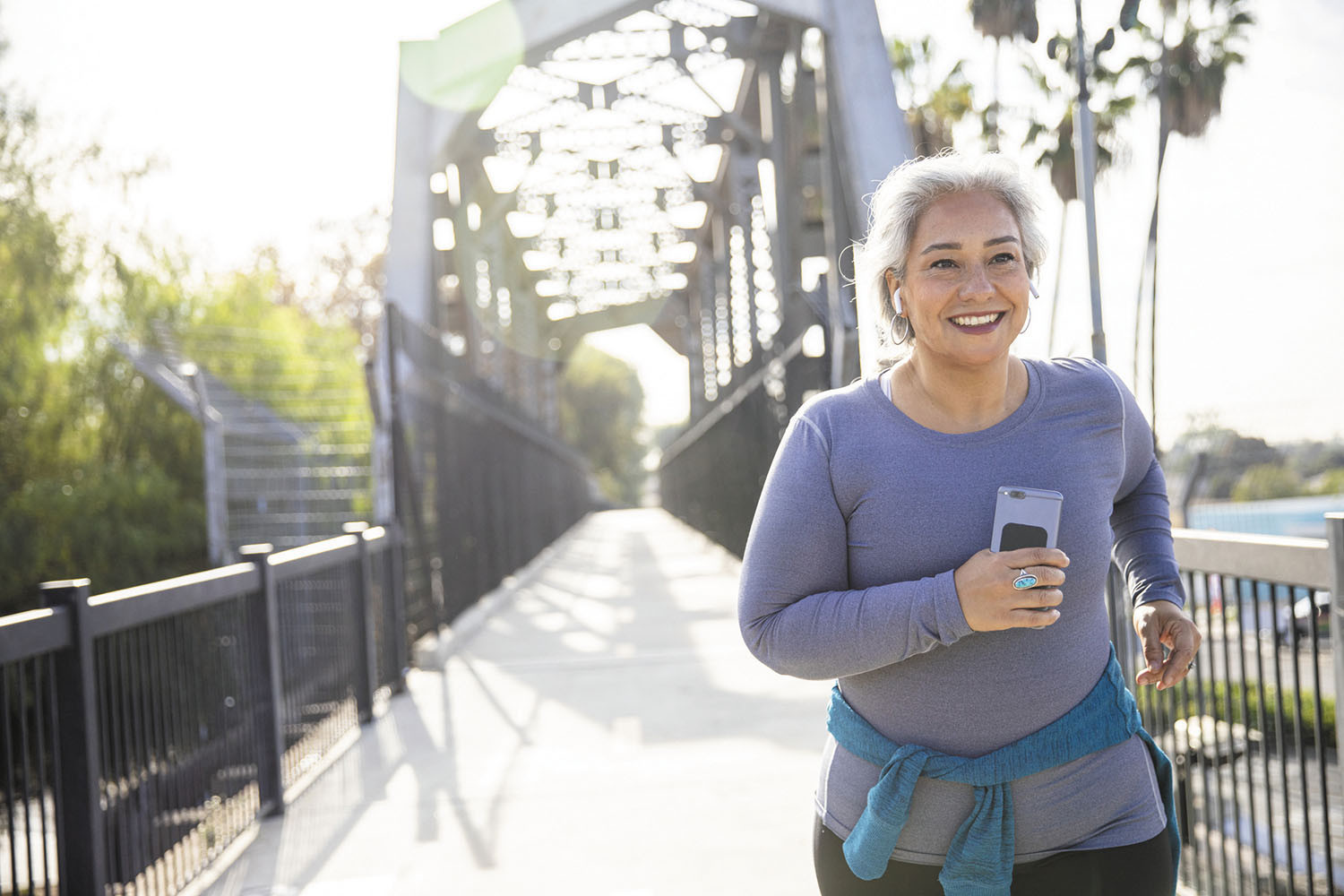
Exercise may counteract inherited risk for diabetes
Getting regular exercise can help fend off diabetes, even in people with a genetic propensity for the disease, according to a 2023 study.

Weekly aerobic exercise may help reduce flu and pneumonia deaths
A 2023 study found that people who met guidelines for engaged weekly aerobic activity had a lower risk of dying from pneumonia or influenza than those who did no activity.

Try this: All aboard for paddleboarding
Paddleboarding is a popular water sport in which people stand or kneel on a "surfboard" and use a long paddle. It's a great stress buster, and it can help improve balance and strengthen key muscles, like those in the core, back, arms, and shoulders.
Aldosterone overload: An underappreciated contributor to high blood pressure
Can you retrain your brain to stop excessive drinking?
Beyond statins: New ways to lower LDL cholesterol
What is a cardioversion procedure?
For now, electric cars appear safe for people with implanted heart devices
Can you stop blood thinners after an ablation for atrial fibrillation?
Reversing prediabetes may slash heart disease risk by half
Waking up to urinate at night affects blood pressure
Finding and fixing a stiff, narrowed aortic valve
VO2 max: What it is and how you can improve it
Free Healthbeat Signup
Get the latest in health news delivered to your inbox!
Sign Up