Aldosterone overload: An underappreciated contributor to high blood pressure

Can you retrain your brain to stop excessive drinking?

Beyond statins: New ways to lower LDL cholesterol
What is a cardioversion procedure?

For now, electric cars appear safe for people with implanted heart devices

Can you stop blood thinners after an ablation for atrial fibrillation?

Reversing prediabetes may slash heart disease risk by half
Waking up to urinate at night affects blood pressure

Finding and fixing a stiff, narrowed aortic valve
VO2 max: What it is and how you can improve it
Exercise & Fitness Archive
Articles

Exercises to try in the pool right now
Exercising in a pool provides an effective workout that is easy on the joints. Exercises can be made easier if they're done in slightly deeper water, where there's more buoyancy and support. They can be made harder by moving faster and holding fingers together like paddles. When starting a water workout, experts advise taking it easy at first. People should start with easier exercises and shorter durations, or do less than they feel up to. If they're not sore the next day, they'll know they did the right amount of exercise. From there, they can gradually increase the intensity.

Mud runs: Dirty, challenging, next-level fun
Mud runs are outdoor team events that take the form of an obstacle-course competition and promise plenty of good, clean (dirt-covered) fun for participants. Competing in a mud race is physically challenging, but can deliver many health benefits for those who train for them.

Health warnings on exercise equipment: Should you worry?
If you work out at a gym, you may notice warnings on the exercise equipment. For most of us, these warnings should not be cause for alarm, although people with certain health conditions should be cautious about exercising.

What is a normal heart rate?
Exercise can lower resting heart rate and raise maximum heart rate to reduce the risk of heart attack and death.

Try this: Build better biceps
Performing regular biceps curls can build stronger biceps muscles and help older men with lifting, carrying, and holding heavy objects.

Walking advice from a master walker
Dr. Alan Poisner, 88, is one of the country's most decorated master-level walkers. He holds several National Senior Games records. A medical researcher, he also has a long career exploring the physiology of walking, especially among older adults. Here, he shares his decades-long advice for beginner and novice walkers, from how to stay motivated to the best ways to elevate one's workouts.

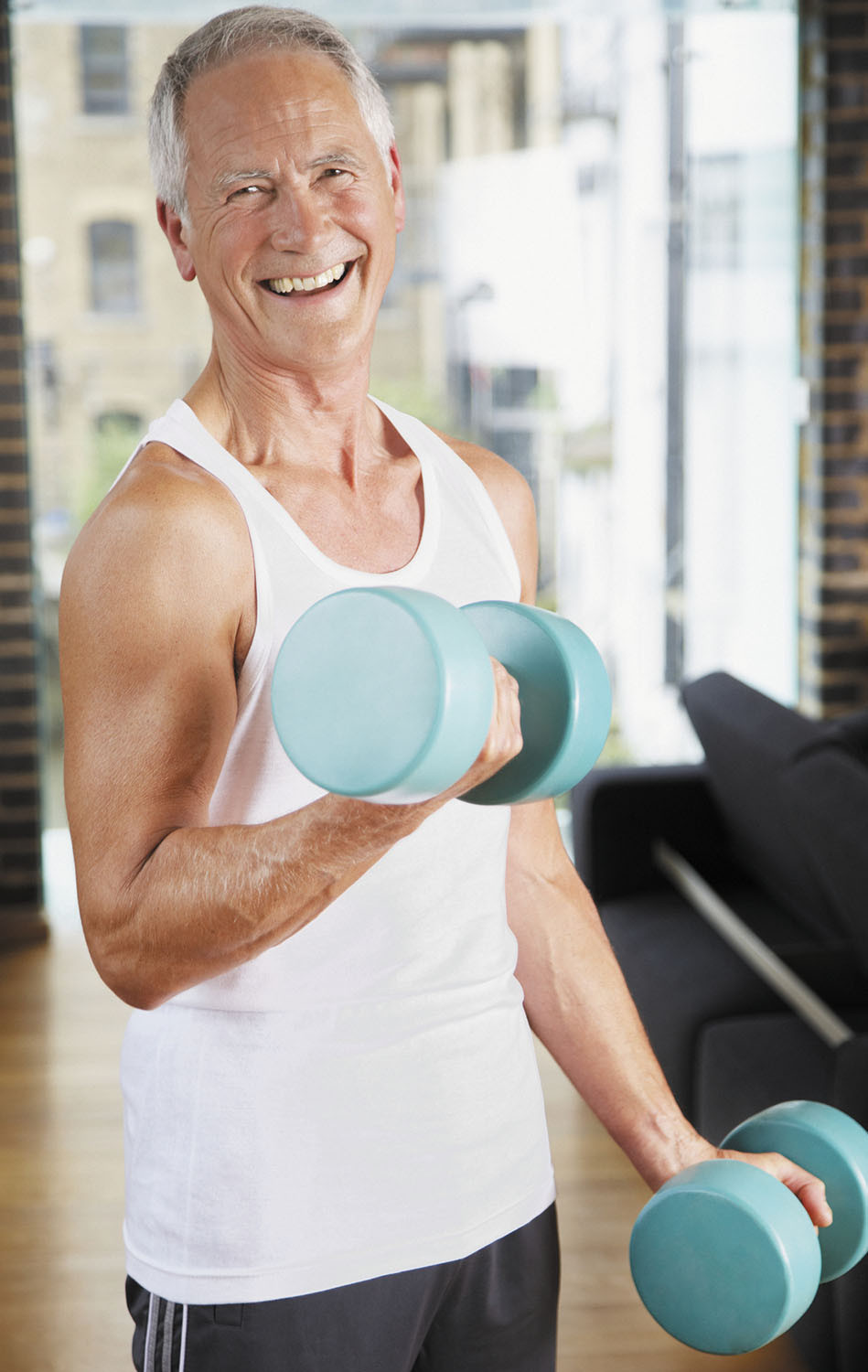
Don't let muscle mass go to waste
Age-related muscle loss is a natural part of getting older. But muscle loss can occur faster after an injury, illness, or any prolonged period of inactivity, leading to muscle atrophy. The consequences can mean overall weakness, poor balance, and even frailty. The good news is that it's possible to rebuild lost muscle through a comprehensive program that includes physical therapy, strength training, cardio, flexibility, and a nutrition plan that includes more protein and calories.

Extra support for better health
A variety of coaches can help people reach their particular health goals. Health and wellness coaches inspire and guide clients to shift their mindset and develop new, healthy behaviors. Fitness professionals—such as personal trainers or exercise physiologists—develop and prescribe exercise regimens to help clients. Dietitians develop eating plans tailored to clients’ needs, such as weight loss or gain, or preventing or treating chronic disease. And culinary coaches use coaching principles and cooking expertise to teach people how to shop for and prepare healthy meals.

Crucial ways you can support a healthy immune system
There’s no evidence that maintaining a healthy lifestyle will suddenly boost the immune system. However, it’s clear that healthy lifestyle habits contribute to overall health, supporting the body’s ability to fight infections instead of creating new problems. Healthy habits that help maintain a robust immune system include getting seven to nine hours of sleep per night, exercising, reducing stress, eating a healthy diet, not smoking, drinking alcohol only in moderation, maintaining a healthy weight, and getting underlying conditions under control.
Aldosterone overload: An underappreciated contributor to high blood pressure
Can you retrain your brain to stop excessive drinking?
Beyond statins: New ways to lower LDL cholesterol
What is a cardioversion procedure?
For now, electric cars appear safe for people with implanted heart devices
Can you stop blood thinners after an ablation for atrial fibrillation?
Reversing prediabetes may slash heart disease risk by half
Waking up to urinate at night affects blood pressure
Finding and fixing a stiff, narrowed aortic valve
VO2 max: What it is and how you can improve it
Free Healthbeat Signup
Get the latest in health news delivered to your inbox!
Sign Up