Aldosterone overload: An underappreciated contributor to high blood pressure

Can you retrain your brain to stop excessive drinking?

Beyond statins: New ways to lower LDL cholesterol

What is a cardioversion procedure?

For now, electric cars appear safe for people with implanted heart devices

Can you stop blood thinners after an ablation for atrial fibrillation?

Reversing prediabetes may slash heart disease risk by half
Waking up to urinate at night affects blood pressure

Finding and fixing a stiff, narrowed aortic valve
VO2 max: What it is and how you can improve it
Exercise & Fitness Archive
Articles

Tai chi or yoga? 4 important differences
Here's how to determine which is best for your needs.
Tai chi and yoga have many similarities. Both are gentle, low-intensity exercises that have been practiced for hundreds of years. Both are good for your mind and body (see "Tai chi and yoga benefits"). And both have been shown to be beneficial for older adults in particular. How do you choose one over the other? Several differences can influence your choice.
Tai chi and yoga benefitsTai chi and yoga share a long list of health and wellness benefits. Both can improve your balance, flexibility, strength, mobility, mood, quality of life, range of motion, reflexes, and thinking skills. They also reduce pain and your risk of falls. How do two exercises accomplish all that? "Rather than targeting just one aspect of health — like an aspirin for a headache — yoga and tai chi movements address many health systems and work synergistically," says Peter Wayne, faculty editor of the Harvard Special Health Report An Introduction to Tai Chi. |

Try this move for better core strength
Strengthening your core using plank exercises can help ease back pain. The plank position is essentially the high part of a push-up. People who can't hold this position can try a modified version by bending their knees and resting them on the ground. Build strength by practicing holding a plank for as long as you can, and then progressively working to hold it for longer each time.
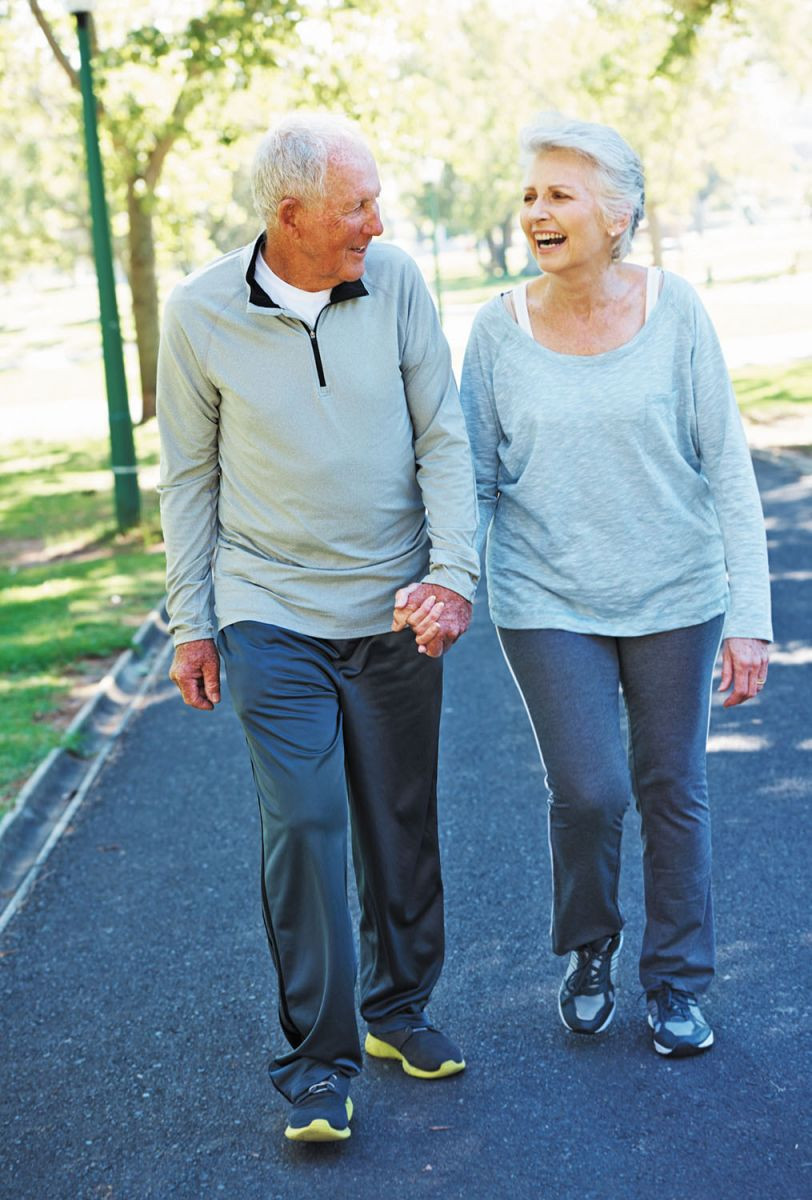
Recovering from heart surgery
Here's what to expect once you're home from the hospital.
Every day, thousands of people in the United States undergo open-heart surgery. This major operation leaves them with a long chest incision — and a lengthy recovery. The time it takes to fully heal will depend on the person's age and overall health and the complexity of the operation.
The most common is coronary artery bypass grafting, which uses a blood vessel taken from another part of the body to bypass a blocked heart artery. Open-heart surgery is also done to repair or replace a faulty heart valve or to repair damaged or abnormal areas of the heart.

How does sleep affect your heart rate?
During waking hours you may feel your heart rate fluctuating, and activity or intense emotions can cause it to spike. But what happens to your heart rate when you sleep? It varies then too, depending on the phase of sleep you are in.

The no-drug approach to mild depression
Looking for a boost or alternative to antidepressant medicines? Here are four therapies that may help relieve your symptoms.
Image: © RgStudio/Getty Images
Many people suffer bouts of mild or moderate depression as they age. Health issues and the loss of a spouse, family member, or friend are common triggers that can lead to persistent sadness and loss of enjoyment.
While antidepressants like selective serotonin reuptake inhibitors (SSRIs) can be helpful to relieve and control symptoms, they are not always the right choice.

Exercise matters to health and well-being, regardless of your size
Regardless of your size or fitness level, exercise has multiple benefits. Almost anything that gets you moving counts, and some activity is always better than none. These suggestions can help you make exercise work for you.
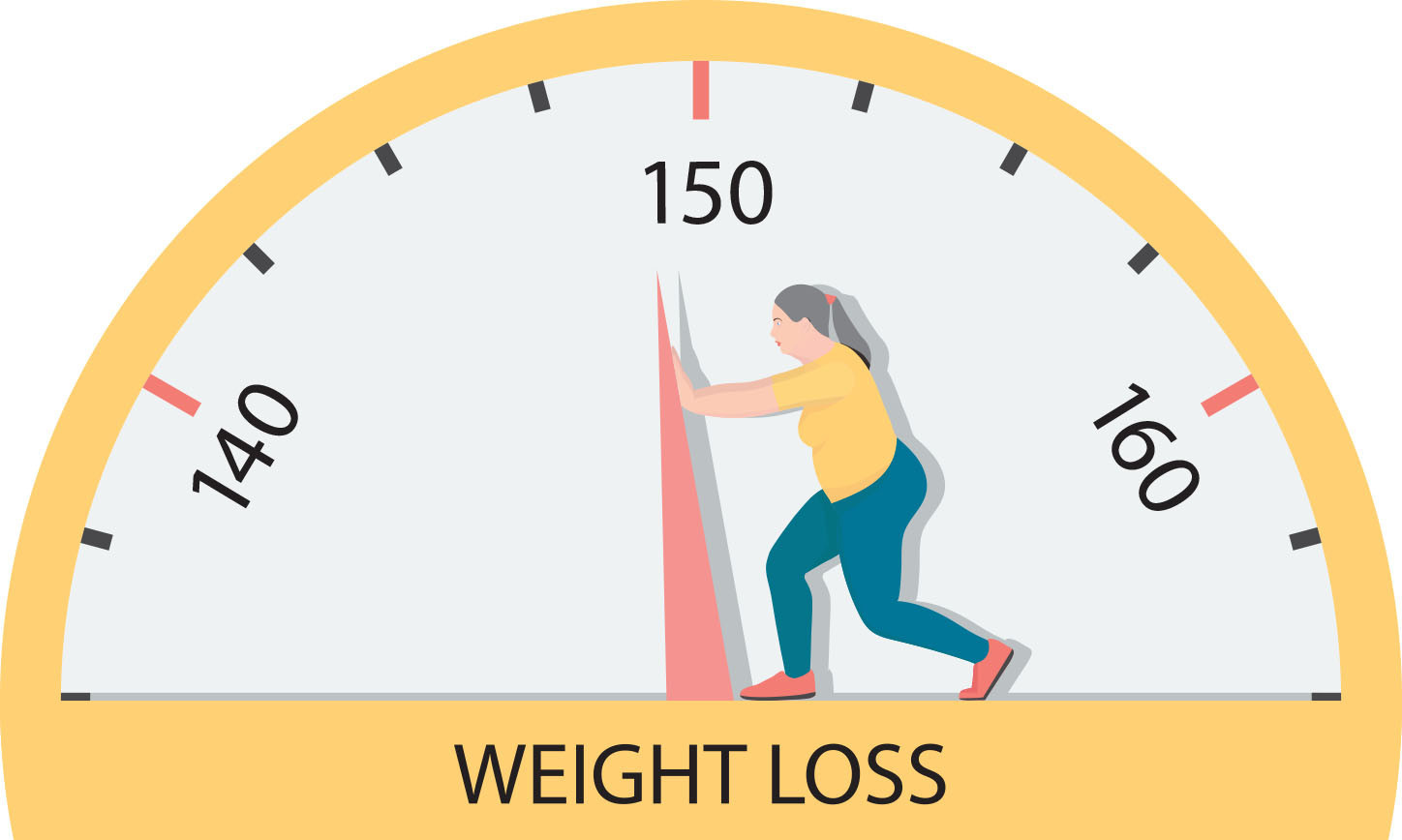
Tips to keep lost weight off in the New Year
Work with your body, not against it, for long-term weight maintenance.
For many people, their New Year's resolutions include some sort of weight-loss goal. However, while extra pounds often come off, evidence shows they rarely stay off. Among overweight or obese people who are able to lose 10% of their body weight, just one in six is able to maintain the weight loss for at least a year.
Experts say it's not surprising that weight loss rarely sticks, considering what they now know about how the body works. "Most people believe that obesity is caused by overeating, while we now recognize that the main driver of obesity is one or more disruptions in the body's normal regulation of the amount of fat we maintain," says Dr. Lee Kaplan, an associate professor of medicine at Harvard Medical School and director of the Obesity, Metabolism, and Nutrition Institute at Massachusetts General Hospital.

We’re supposed to make resolutions now?
After everything that has happened in 2020, making New Year’s resolutions might be too much to expect of many. Setting goals for the coming year seems like too much to ask right now. Is it okay to just give yourself a break this year? Or is there another way of looking at the whole situation?

The beat goes on
Learn when, how, and why you should keep track of your heartbeat.
Soon after you wake up tomorrow morning, before you even sit up in bed, take your pulse. It's fairly easy if you have a clock or timer nearby (see "Measuring your heart rate"). Known as your resting heart rate, this value ranges from 60 to 100 beats per minute in most adults.
"To get a good sense of your resting heart rate, check it every few mornings over the course of several weeks," advises cardiologist Dr. Aaron Baggish, director of the Cardiovascular Performance Program at Harvard-affiliated Massachusetts General Hospital. It's best to measure your resting heart rate when you've been getting your typical amount of sleep and exercise and aren't feeling ill or dehydrated.

It’s not too late to get in better shape
No matter what your age, you can improve your fitness.
If it's been a long time since you've exercised and you're feeling less than fit, you might think that it's too late to make a change. But you're wrong. You can improve your fitness at any age.
"The stories in this area are actually very dramatic. Even people 100 years old or older can build muscle strength," says Dr. Edward Phillips, assistant professor of physical medicine and rehabilitation at Harvard Medical School.
Aldosterone overload: An underappreciated contributor to high blood pressure
Can you retrain your brain to stop excessive drinking?
Beyond statins: New ways to lower LDL cholesterol
What is a cardioversion procedure?
For now, electric cars appear safe for people with implanted heart devices
Can you stop blood thinners after an ablation for atrial fibrillation?
Reversing prediabetes may slash heart disease risk by half
Waking up to urinate at night affects blood pressure
Finding and fixing a stiff, narrowed aortic valve
VO2 max: What it is and how you can improve it
Free Healthbeat Signup
Get the latest in health news delivered to your inbox!
Sign Up