Aldosterone overload: An underappreciated contributor to high blood pressure

Can you retrain your brain to stop excessive drinking?

Beyond statins: New ways to lower LDL cholesterol
What is a cardioversion procedure?

For now, electric cars appear safe for people with implanted heart devices

Can you stop blood thinners after an ablation for atrial fibrillation?
Reversing prediabetes may slash heart disease risk by half
Waking up to urinate at night affects blood pressure

Finding and fixing a stiff, narrowed aortic valve
VO2 max: What it is and how you can improve it
Exercise & Fitness Archive
Articles

Choosing a home exercise machine
Treadmills and related fitness equipment can make aerobic workouts more convenient. Which type is best for you?
Even if you enjoy exercising outdoors, there are times when it's too cold, too hot, or otherwise uncomfortable or impractical to walk, jog, or cycle outside. And like many people, perhaps you've let your gym membership lapse. So how do you make sure you're getting an aerobic, heart-protecting workout most days of the week?
Maybe it's time to invest in a home exercise machine, such as a treadmill or elliptical machine. Not only can you exercise in the privacy of your home, you can also easily break up your workout into 10- to 15-minute stints throughout the day, whenever it's convenient for you. Current guidelines recommend getting at least 2.5 hours of heart rate–elevating (aerobic) exercise each week.

Ten churnings
The yoga routine "ten churnings" can be done on its own to help you get moving in the morning or to counteract stiffness after sitting for too long. In about six minutes, the routine can loosen up your joints and serve as a warm-up to a longer exercise session. To learn additional intermediate yoga exercises, visit: www.health.harvard.edu/iy

Want to live longer and better? Do strength training
Regular physical activity promotes general good health, reduces the risk of developing many diseases, and helps you live a longer and healthier life. For many of us, "exercise" means walking, jogging, treadmill work, or other activities that get the heart pumping.
But often overlooked is the value of strength-building exercises. Once you reach your 50s and beyond, strength (or resistance) training is critical to preserving the ability to perform the most ordinary activities of daily living — and to maintaining an active and independent lifestyle.

Belly fat may pose more danger for women than for men
Whittle your waist for better health.
You've probably heard that extra pounds around your middle are bad for your heart. But a new study has found that excess weight in your belly — a body shape doctors refer to as central adiposity — may be even worse for women's heart health than men's.
The study, in the March 6 issue of the Journal of the American Heart Association, involved about 500,000 people (55% of them women), ages 40 to 69, in the United Kingdom. The researchers took body measurements of the participants and then kept track of who had heart attacks over the next seven years. During that period, the women who carried more weight around their middles (measured by waist circumference, waist-to-hip ratio, or waist-to-height ratio) had a 10% to 20% greater risk of heart attack than women who were just heavier over all (measured by body mass index, or BMI, a calculation of weight in relation to height).
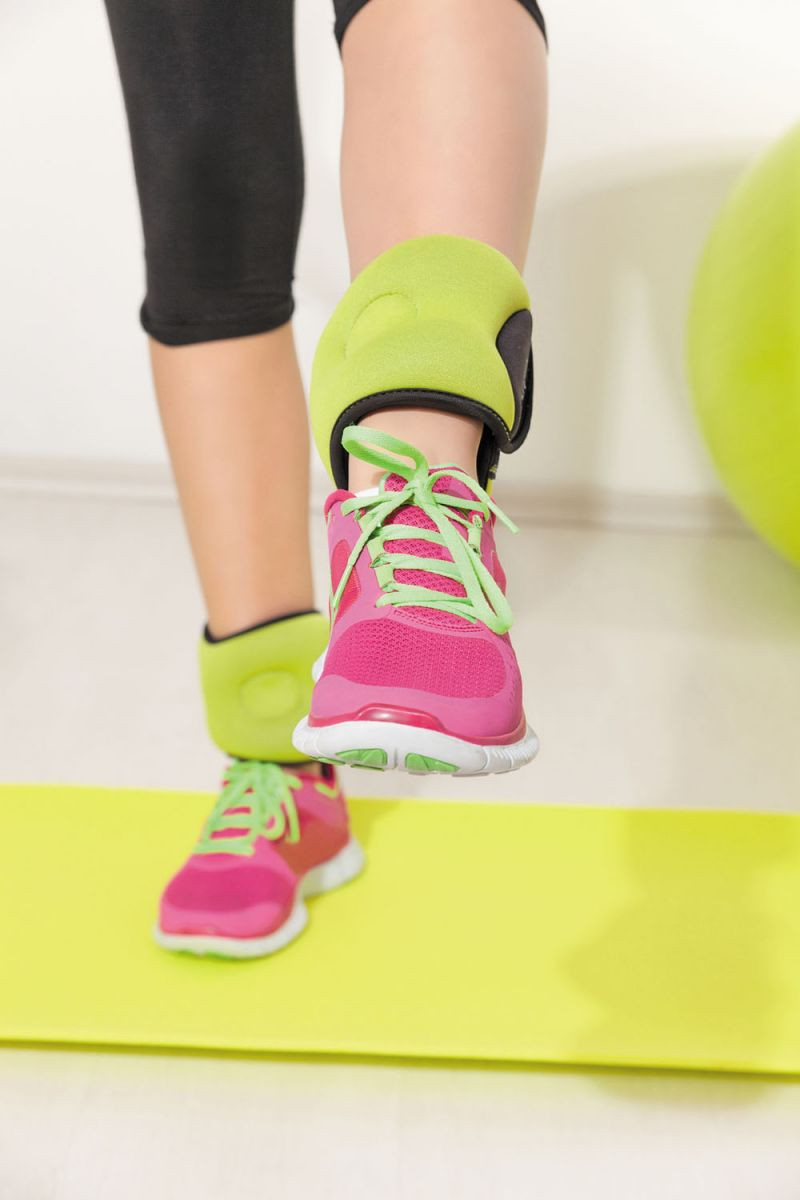
Wearable weights: How they can help or hurt
They're great as a substitute for a dumbbell, but a risky choice for some exercises.
When you want to add strength training to your routine, wearable weights seem like a handy shortcut. Just slip them on and do your regular workout. But it's not that simple. "They're great for specific exercises, but they have some risks," says Terry Downey, a physical therapist at Harvard-affiliated Spaulding Rehabilitation Network.
Ankle weights
You may see people walking around with weights around their ankles. The weights are typically built into a wide neoprene strap that wraps around the ankle and attaches with Velcro.

The many ways exercise helps your heart
A single exercise session may provide immediate and long-lasting protection.
Why is exercise so good for your health? Let us count the ways. One obvious answer is that exercise burns calories, which can help you maintain or reach a healthy weight. Regular exercise also improves factors linked to cardiovascular health, resulting in lower blood pressure, healthier cholesterol levels, and better blood sugar regulation.
And that's not all: Exercise also promotes positive physiological changes, such as encouraging the heart's arteries to dilate more readily. It also helps your sympathetic nervous system (which controls your heart rate and blood pressure) to be less reactive. But these changes may take weeks, months, or even years to reach their full effect.

Take that, muscle cramps!
Here are the best ways to stop painful cramps — and prevent them from returning.
Image: © ChesiireCat/Getty Images
A muscle cramp always feels like a surprise. The involuntary contraction strikes without warning, whether it's a charley horse in the middle of night or a back spasm as you reach for an everyday object. But don't let that cramp throw you for a loop. "When it suddenly strikes, don't exercise or tighten the muscle. Just gently stretch it to your tolerance. That helps to relax the muscle and relieve the uncontrolled contraction," says Madhuri Kale, a physical therapist at Harvard-affiliated Brigham and Women's Hospital.
What causes cramps?
Exercising without properly warming up the muscles can lead to cramps. Cramps also occur when a muscle is not able to relax properly (such as from a deficiency of magnesium or potassium in your diet) or when it becomes irritated by a buildup of lactic acid (which can happen if you don't rest your muscle after it has exercised a lot). Dehydration can worsen both of these problems. Kale says older adults often don't drink enough water at night because they want to avoid having to go the bathroom, and they end up dehydrated.

A strong core: The simple, flexible, and portable workout
Strengthening your core muscles doesn't have to be overwhelming. You can do these simple exercises anywhere and adapt them as you gain fitness.
The office workout
The following routine is a great way to ease into core work. You can do these four exercises at work, without your colleagues being any the wiser. You can do these exercises at home, too, thanks to simple variations. The front plank, for example, can be done while either leaning on your desk or using the kitchen counter to support your weight.

Exercise is an all-natural treatment to fight depression
Exercise is as effective as antidepressants in some cases.
One in 10 adults in the United States struggles with depression, and antidepressant medications are a common way to treat the condition. However, pills aren't the only solution. Research shows that exercise is also an effective treatment. "For some people it works as well as antidepressants, although exercise alone isn't enough for someone with severe depression," says Dr. Michael Craig Miller, assistant professor of psychiatry at Harvard Medical School.
The exercise effect
Exercising starts a biological cascade of events that results in many health benefits, such as protecting against heart disease and diabetes, improving sleep, and lowering blood pressure. High-intensity exercise releases the body's feel-good chemicals called endorphins, resulting in the "runner's high" that joggers report. But for most of us, the real value is in low-intensity exercise sustained over time. That kind of activity spurs the release of proteins called neurotrophic or growth factors, which cause nerve cells to grow and make new connections. The improvement in brain function makes you feel better. "In people who are depressed, neuroscientists have noticed that the hippocampus in the brain—the region that helps regulate mood—is smaller. Exercise supports nerve cell growth in the hippocampus, improving nerve cell connections, which helps relieve depression," explains Dr. Miller.

3 easy ways to get active — right now
Thinking about exercising is great, but just jumping in is often the best way to blast past mental or emotional barriers. You don’t need a complex workout program; start small and focus on making activity a daily habit. Here are easy ways to add activity to your day.
Aldosterone overload: An underappreciated contributor to high blood pressure
Can you retrain your brain to stop excessive drinking?
Beyond statins: New ways to lower LDL cholesterol
What is a cardioversion procedure?
For now, electric cars appear safe for people with implanted heart devices
Can you stop blood thinners after an ablation for atrial fibrillation?
Reversing prediabetes may slash heart disease risk by half
Waking up to urinate at night affects blood pressure
Finding and fixing a stiff, narrowed aortic valve
VO2 max: What it is and how you can improve it
Free Healthbeat Signup
Get the latest in health news delivered to your inbox!
Sign Up